
Tanvi Patri Wins Historic Silver in Youth Olympic Games 2026 Badminton Final
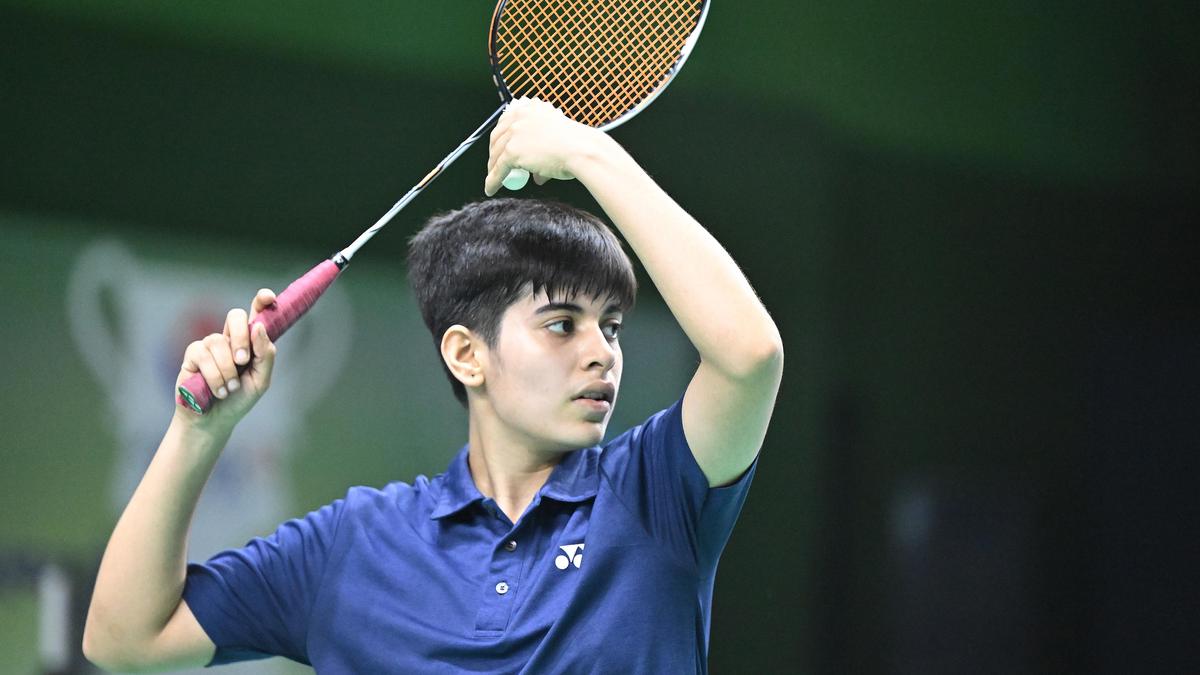
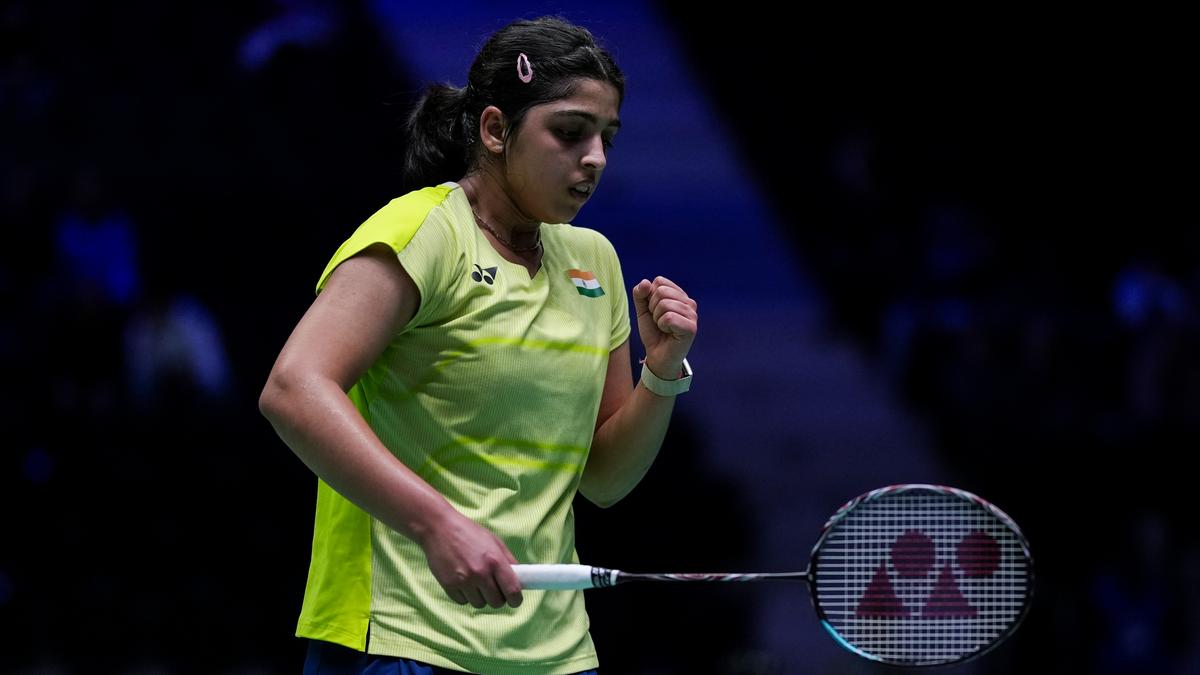
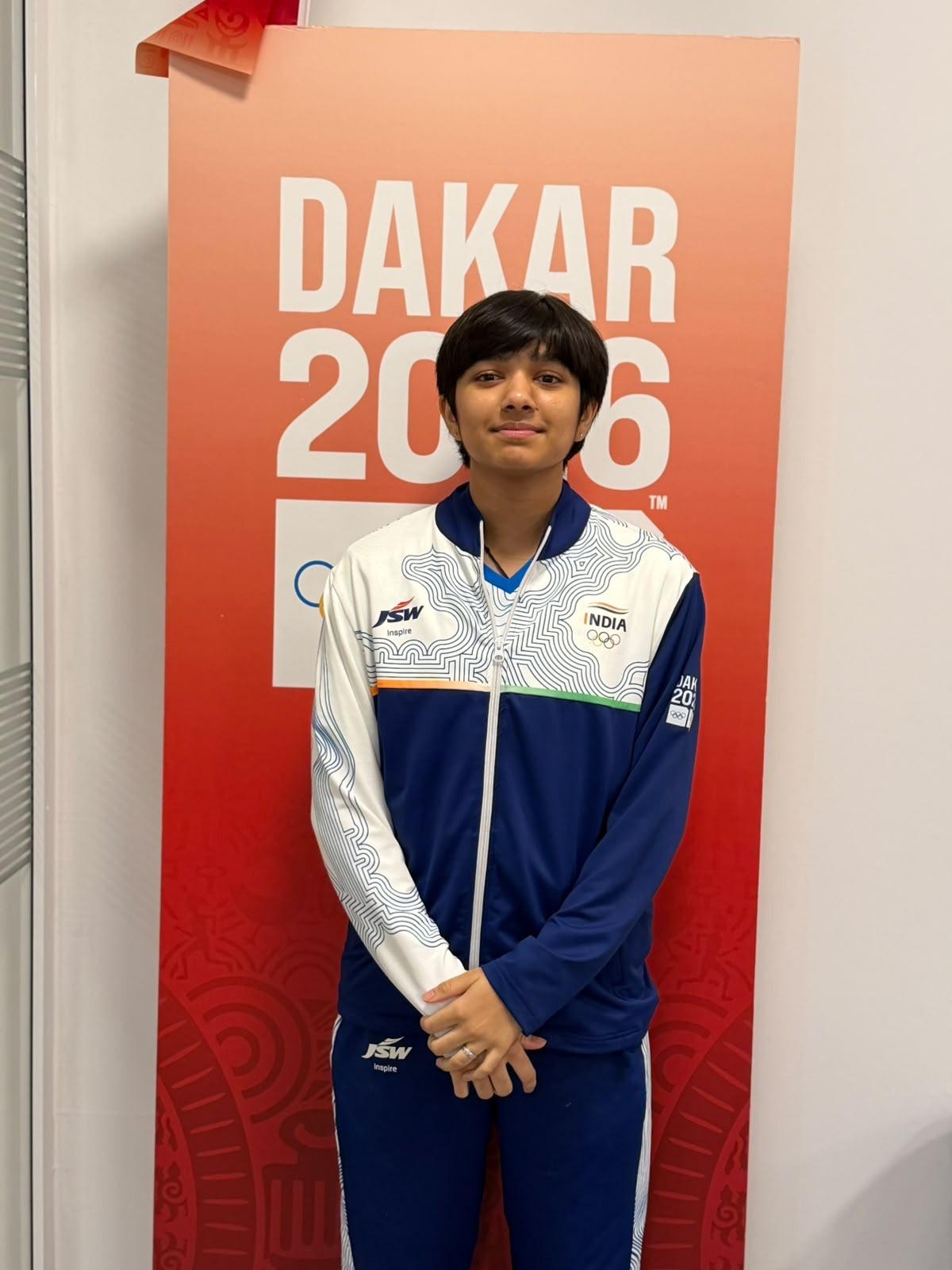
India’s Tanvi Patri claimed a landmark silver medal in women’s singles badminton at the Youth Olympic Games 2026 in Dakar, Senegal, after a thrilling three-game final against China’s Zhang Yi Xin on Thursday. Zhang, the reigning World Junior champion, recovered from a game down to secure the gold, but Patri’s spirited performance made her the first Indian woman to win a badminton medal at the Youth Olympics.
The final showcased the promise of two of the sport’s most exciting young players. Patri began with confidence and clever touch, while Zhang drew on her experience to turn the contest around. Even after falling behind in the deciding game, the Indian fought back to create opportunities to win the title, making the closing stages a tense test of nerve.
Patri Takes the Opening Game with Smart, Controlled Play
Patri needed a few points to find her rhythm, falling behind 3-5 early in the first game. She responded with an impressive run of seven consecutive points, transforming the scoreline and putting Zhang under pressure. The surge reflected the Indian’s ability to adjust quickly and take control of the rallies rather than simply react to her opponent’s pace.
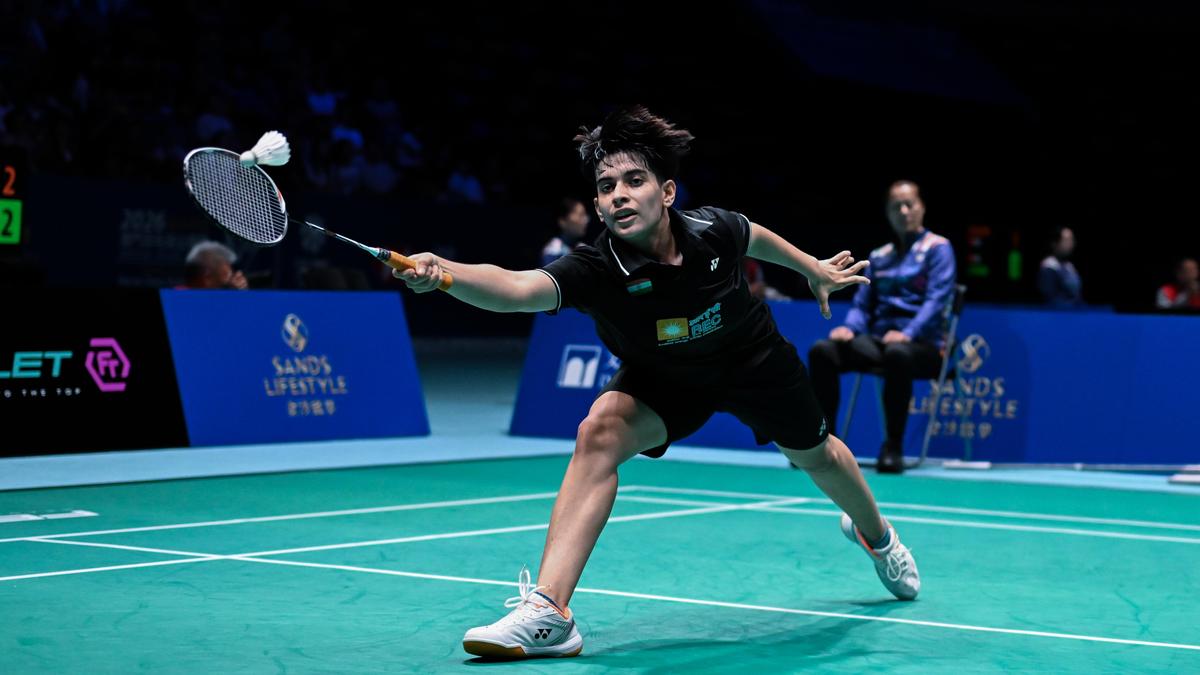
Her punch clears and deceptive tosses helped move Zhang around the court, opening space for attacking shots. Patri was also sharp at the net, where precise control allowed her to dictate the exchanges and prevent the Chinese player from settling into a comfortable rhythm. After 25 minutes of determined badminton, Patri took the first game and moved within reach of a major international title.
Zhang Changes the Momentum in Game Two
Patri carried her momentum into the second game, racing to a 4-0 lead. But conditions began to play a part as the drift affected the flight and control of her clears. In badminton, even a subtle change in shuttle movement can influence shot selection, length and timing. Zhang adapted more effectively as the game progressed, finding ways to push Patri deeper and reduce the Indian’s control of the rallies.
The Chinese shuttler gained ground after the mid-game interval and began to dictate the pace. Patri worked to protect her advantage, but Zhang’s growing confidence made it increasingly difficult to regain the initiative. Zhang eventually took the second game, forcing a decider and resetting the contest at the most demanding point of the final.
Five Match Points Saved in Dramatic Decider
Zhang made an assertive start to the deciding game, using her trademark cross-court drops to draw Patri out of position and create openings. The strategy helped the Chinese player build a commanding 19-10 lead, leaving her close to the gold medal. Yet Patri refused to let the match slip away without a fight.
The Indian cut the deficit to 19-15, producing a determined late push that put pressure back on Zhang. A cross-court smash error then gave Zhang five match points, but Patri saved all five in a remarkable display of resilience. She went further, creating three chances of her own to close out the match and turn the final into a dramatic exchange of momentum.
Zhang ultimately held her nerve. Her experience in high-pressure junior competition proved decisive as she converted the opportunity to seal the victory. The result denied Patri the gold, but the Indian’s comeback—and her ability to keep competing after facing multiple match points—was among the defining moments of the final.
A Historic Milestone for Indian Women’s Badminton
Patri’s silver medal marks a significant achievement for Indian badminton. She is the first Indian woman to reach the podium in the sport at the Youth Olympic Games, adding a new milestone to the country’s record in the competition. Her run also highlights the growing strength of India’s women’s singles pathway, where emerging players are increasingly gaining experience on major international stages.
To reach the final, Patri had to overcome Japan’s Yuzuno Watanabe in a demanding semifinal. She won the first game 21-14, dropped the second 11-21, then held her composure to take the deciding game 21-19. Watanabe went on to earn the bronze medal, completing the women’s singles podium.
The semifinal victory was an important test of Patri’s adaptability and stamina. Recovering after losing the second game required her to reset quickly, manage the pressure and deliver in a close finish. Those qualities were evident again in the final, particularly when she saved five match points and created three chances to claim the title.
Continuing India’s Youth Olympic Badminton Tradition
Patri’s silver adds to India’s previous Youth Olympic badminton medals, both won in men’s singles. H.S. Prannoy earned a medal at the 2010 Youth Olympic Games, while Lakshya Sen reached the podium in 2018. Patri’s achievement extends that record to women’s singles and gives India a new point of reference for future generations of young shuttlers.
Beyond the medal itself, her performance offers valuable experience in handling different playing conditions, tactical changes and high-pressure moments. The final showed the importance of adapting to court drift, varying the pace and maintaining composure when a match swings sharply. Those lessons can support Patri’s development as she moves from youth events toward senior-level badminton.
Although Zhang Yi Xin took the gold, Patri leaves Dakar with a historic result and a memorable performance. Her silver medal reflects both the progress of Indian women’s badminton and the competitive potential she has already demonstrated. The dramatic final may not have ended with gold, but Patri’s resilience, tactical skill and breakthrough achievement have given Indian fans plenty to celebrate—and a compelling reason to follow her next steps in the sport.