
Tanvi Patri Makes History with Youth Olympic Games Badminton Semifinal
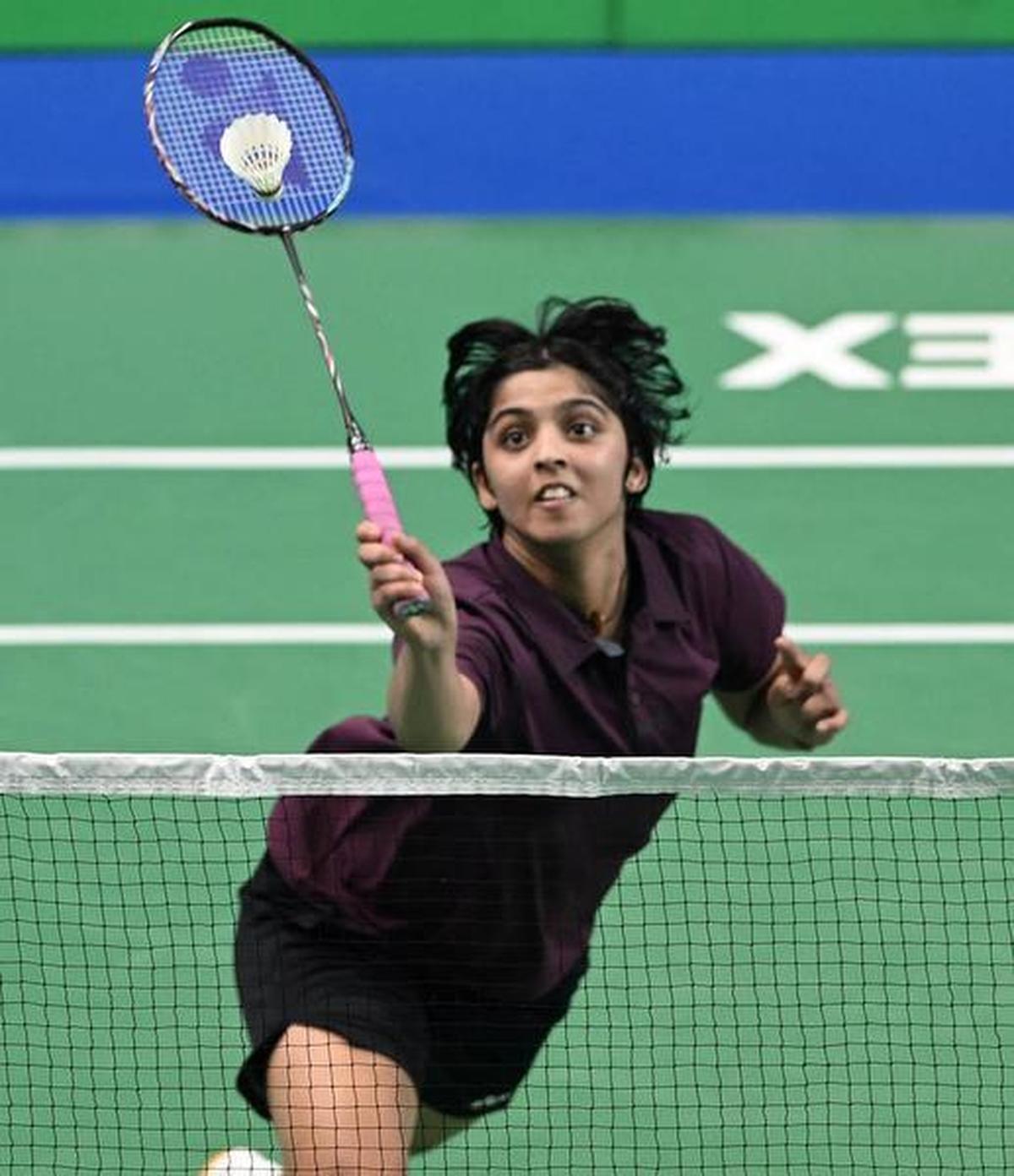
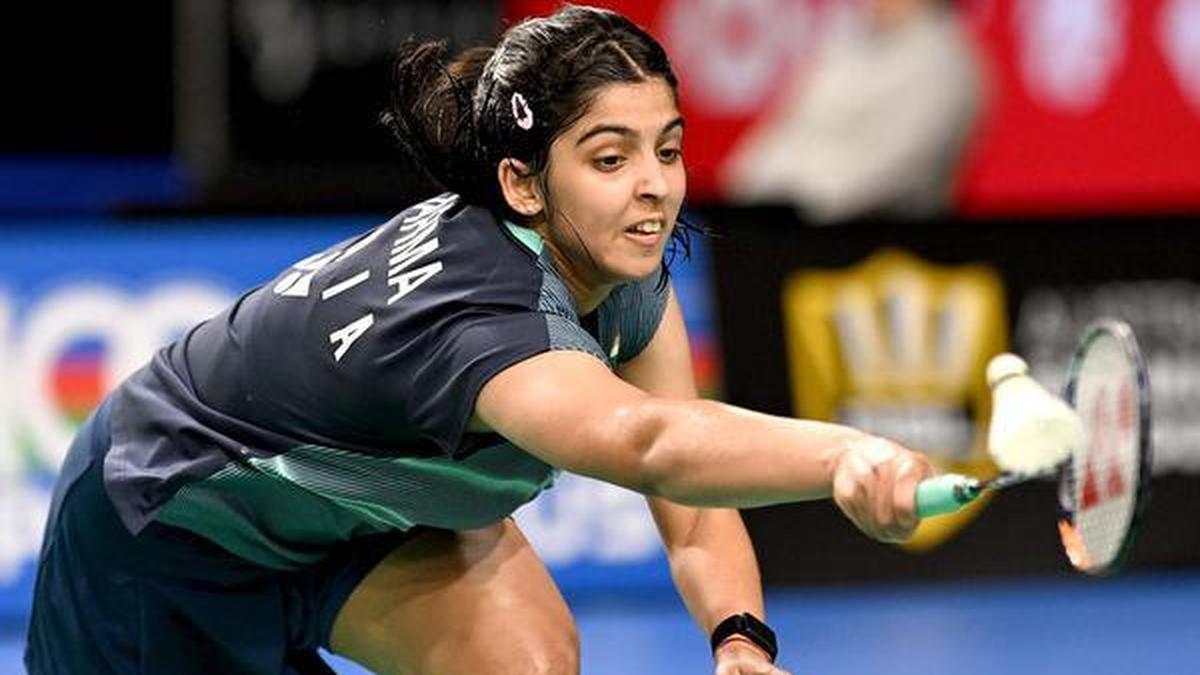
Indian badminton prospect Tanvi Patri has reached a landmark moment in her young career, becoming the first Indian woman to qualify for the badminton semifinals at the Youth Olympic Games. Her achievement places her among a select group of Indian shuttlers to reach the last four at the event—and gives the country a fresh opportunity to celebrate a breakthrough on the international stage.
Patri’s run is significant not only for its competitive value, but also for what it represents for Indian women’s badminton. With a place in the semifinal secured, she is now one victory away from becoming the first Indian woman to win a badminton medal at the Youth Olympics. The result will depend on her next match, but her historic progress has already marked a major milestone for the sport in India.
A New Milestone in India’s Youth Olympic Badminton Story
Before Patri’s achievement, only three Indian players had reached the badminton semifinals at the Youth Olympic Games. HS Prannoy finished with a silver medal at the inaugural edition in Singapore in 2010, while Lakshya Sen also claimed silver at the 2018 Games in Buenos Aires. Aditya Joshi reached the boys’ singles semifinals in 2014, although he did not leave the competition with a medal.
Those performances helped establish India as a growing force in junior badminton. Patri’s semifinal appearance adds a new chapter to that history, while also breaking ground for Indian women at the tournament. Her progress reflects the increasing depth of the country’s badminton talent pipeline, where young players are gaining opportunities to compete, develop and test themselves against the world’s best.
The Youth Olympic Games bring together leading athletes from around the world, making a semifinal berth a meaningful measure of international promise. For a young shuttler, the experience can offer more than a chance at a medal: it also provides high-pressure match practice, exposure to different playing styles and valuable lessons that can shape future performances.
Semifinal Brings a Second Meeting with Yuzuno Watanabe
Patri’s next challenge is Japan’s Yuzuno Watanabe, an opponent she has faced once before. The pair met at the 2024 Pathum Thani Junior International Series in Thailand, where Watanabe won in straight games, 21-14, 21-10. That earlier result gives both players a reference point, but it does not determine what will happen in their Youth Olympic semifinal.
Patri will need to approach the rematch with a clear plan, manage the pace of rallies and make the most of any openings. Against a familiar opponent, small adjustments can matter: varying shot placement, changing the rhythm of exchanges and staying composed during tight points may all help shift the balance. The ability to learn from a previous meeting is an important part of a player’s development, particularly at this level.
Watanabe will also arrive with knowledge of Patri’s game, so the semifinal is likely to test both players’ adaptability as much as their shot-making. Strong movement, patience in longer rallies and control of unforced errors could prove crucial. In badminton, momentum can change quickly, and a confident start may help Patri settle into the contest and play with the freedom that has carried her this far.
Medal Opportunity Within Reach
A victory would send Patri into the final and guarantee her a medal, giving her the chance to become the first Indian woman to win Youth Olympic badminton honours. Even if she falls short in the semifinal, her medal hopes will not necessarily be over: she would have another opportunity to compete for bronze. That format means the next match is pivotal, but the broader achievement of reaching the last four is already secure.
The possibility of a medal adds extra significance to the contest, yet Patri’s best approach may be to focus on the immediate task rather than the record attached to it. Staying disciplined between points, responding calmly to pressure and trusting her preparation can help her handle the occasion. For young athletes, managing the emotional demands of a major semifinal is often as important as executing the right tactics.
What Patri’s Run Could Mean for Indian Badminton
Patri’s breakthrough offers an encouraging sign for Indian badminton, particularly as the country continues to build its presence across junior and senior competitions. A strong performance at the Youth Olympic Games can inspire younger players and draw attention to the importance of coaching, competition experience and sustained support for emerging talent.
It also highlights how international events can serve as stepping stones. Players who perform well at youth level may go on to compete in senior tournaments, where the demands are greater and the field is deeper. While a Youth Olympic result does not guarantee future success, the experience of navigating a high-stakes event can help build the confidence and tactical awareness needed for the next stages of a badminton career.
Patri now has the chance to turn a historic semifinal appearance into an even bigger achievement. Her match against Watanabe will be a test of skill, resilience and preparation, with a place in the final—and a landmark medal within reach. Whatever the result, the Indian shuttler has already made history by opening a new path for women’s badminton at the Youth Olympic Games.