
Thomas Meunier Criticizes Soaring Transfer Fees While Praising Moroccan Talent
In an era where football transfer markets are witnessing unprecedented inflation, Belgian international Thomas Meunier has voiced his strong opinions on the escalating costs associated with acquiring top-tier players. The Sunderland defender, who previously played for Lille, expressed skepticism about the logic behind current transfer valuations, emphasizing that the astronomical sums paid for some players have rendered traditional assessments of talent obsolete.
Transfer Market Inflation: A Growing Concern
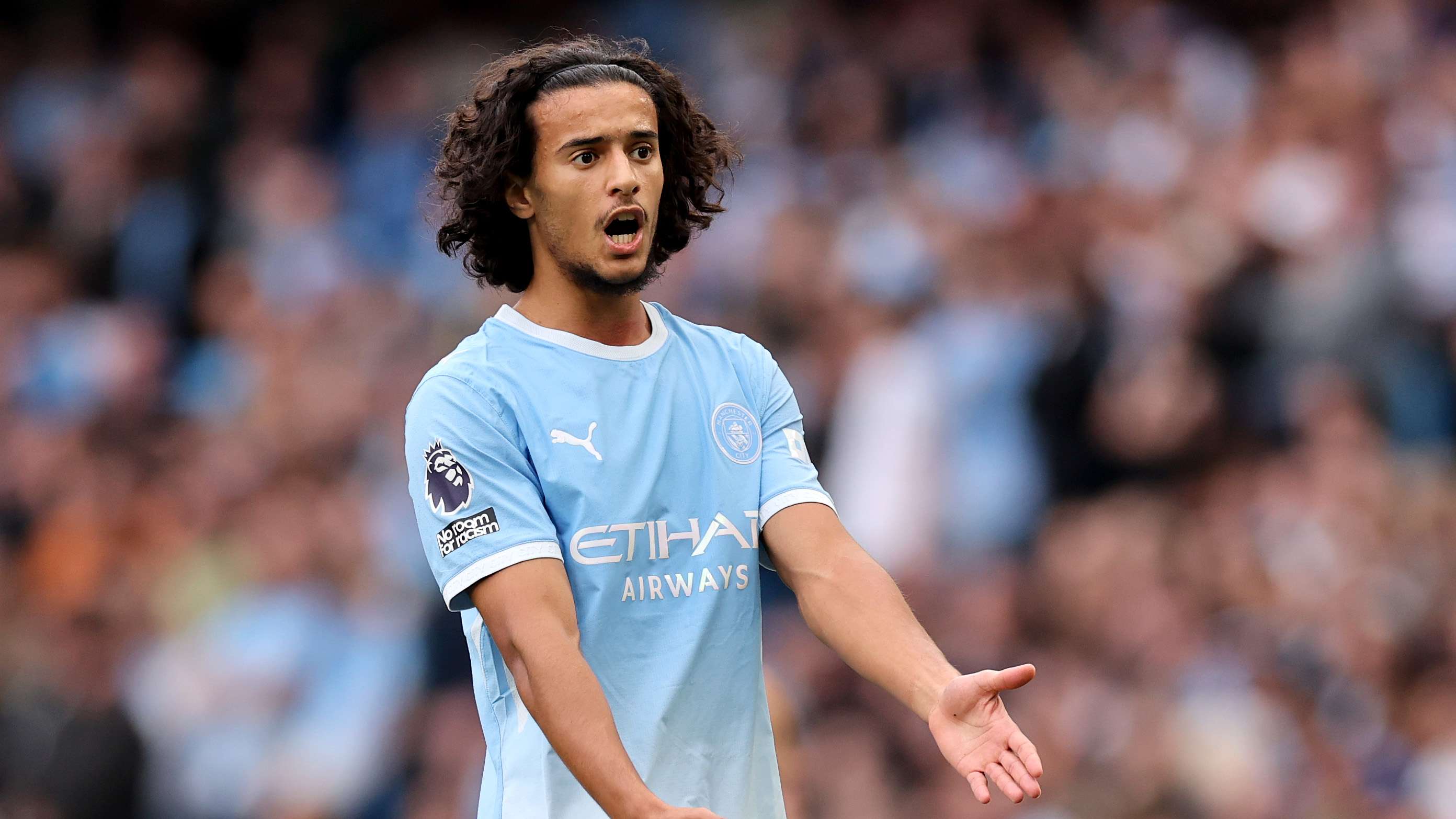
Meunier’s remarks come amid a recent high-profile transfer that has sparked widespread debate: the €100 million move of Moroccan midfielder Ayyoub Bouaddi from Lille to Manchester City. This record-breaking fee, representing a significant increase from previous years, has become a focal point for critics who argue that the transfer market has become detached from the actual value and performance potential of players.
“There is no longer any logical measure to determine a player’s true worth,” Meunier stated in an interview with Foot Mercato. “You can buy a donkey for hundreds of millions, or a very talented player for a fraction of that. The entire system has lost its sense of proportion.”
His comments reflect a broader concern shared by many experts and fans: that transfer prices are increasingly dictated by market hype, club finances, and sometimes even speculative valuations, rather than genuine assessment of talent and potential.
Understanding Bouaddi’s Rise and Transfer to Manchester City
While Meunier criticizes the inflated transfer fees, he does not diminish Bouaddi’s impressive development as a footballer. The Moroccan star, who shone at Lille during the 2024-2025 season, has rapidly established himself as one of Europe’s emerging talents. His performances caught the attention of Europe’s top clubs, and his breakout at Lille was instrumental in boosting his profile on the international stage.
At Lille, Bouaddi played 96 matches, demonstrating consistency and growth that garnered widespread recognition. His breakthrough came during the 2026 World Cup, where he became a key figure for Morocco, starting five out of six matches and showcasing his versatility, vision, and technical skill on one of the world’s largest stages.
The Race for Bouaddi: A Battle Among Europe’s Elite
Following his stellar World Cup performance, Bouaddi quickly became the subject of a fierce transfer battle among Europe’s most prestigious clubs. Arsenal, Manchester United, and Bayern Munich all expressed interest, competing to secure his services. However, it was Manchester City who ultimately secured the Moroccan midfielder in a deal worth €100 million—the highest transfer fee ever paid by Lille for a player, and a testament to his rising value.
City’s investment underscores the club’s confidence in Bouaddi’s potential to become a cornerstone of their midfield for years to come. The transfer also exemplifies the current trend of clubs willing to pay premium prices for promising young talents, even if it further fuels the debate over the true worth of players in the modern transfer landscape.
The Broader Implications of Skyrocketing Transfer Fees
Meunier’s critique touches on a fundamental issue: the inflation of transfer prices distorts the football economy and complicates the assessment of a player’s true ability. He pointed out that the disparity in transfer fees is often arbitrary, with some players fetching exorbitant sums despite not necessarily being better than those sold for much less.
This phenomenon isn’t limited to Bouaddi or Lille; it reflects a global trend where market speculation, commercial interests, and club ambitions drive valuations to levels that are increasingly disconnected from on-field performance. As a result, the transfer prediction model—traditionally based on a player’s age, skills, and potential—has become less predictive and more speculative.
What This Means for Fans and Clubs
The implications of such inflation are multifaceted. For fans, it raises questions about the sustainability of club finances and the true value of team-building strategies. For clubs, especially those operating under tight budgets, the rising transfer costs can hinder their ability to develop and maintain competitive squads without resorting to risky financial maneuvers.
Moreover, the situation prompts a reassessment of how transfer prediction models are formulated. Analysts and clubs must adapt by considering factors beyond just talent and potential, such as marketability, age, and the player’s ability to adapt to different leagues and styles of play.
Looking Ahead: The Future of Transfer Predictions
As the transfer market continues to evolve, experts predict that the focus will shift toward more data-driven and holistic approaches to transfer prediction. Advanced analytics, including performance metrics, psychological assessments, and adaptability indices, are expected to become vital tools in estimating a player’s worth.
Additionally, football governing bodies and financial regulators might step in to curb excessive inflation, introducing measures like transfer caps or financial fair play adjustments to promote a more balanced and sustainable transfer ecosystem.
Conclusion: A Complex Balance Between Talent and Market Forces
Thomas Meunier’s candid critique highlights a critical tension in modern football: the collision between genuine talent assessment and the unpredictable forces of the transfer market. While he praises Bouaddi’s talent and development, he remains skeptical of the astronomical sums paid, warning that such prices distort the true prediction of a player’s value.
As the football world continues to grapple with these challenges, one thing is clear: the transfer prediction landscape is more complex than ever, requiring nuanced understanding and innovative approaches to navigate the high-stakes arena of player transfers. Clubs, fans, and analysts alike must adapt to this new reality, where talent and market valuation often walk a fine line.