
Bayern Munich and Atlético Madrid Produce a Rare Champions League First Half
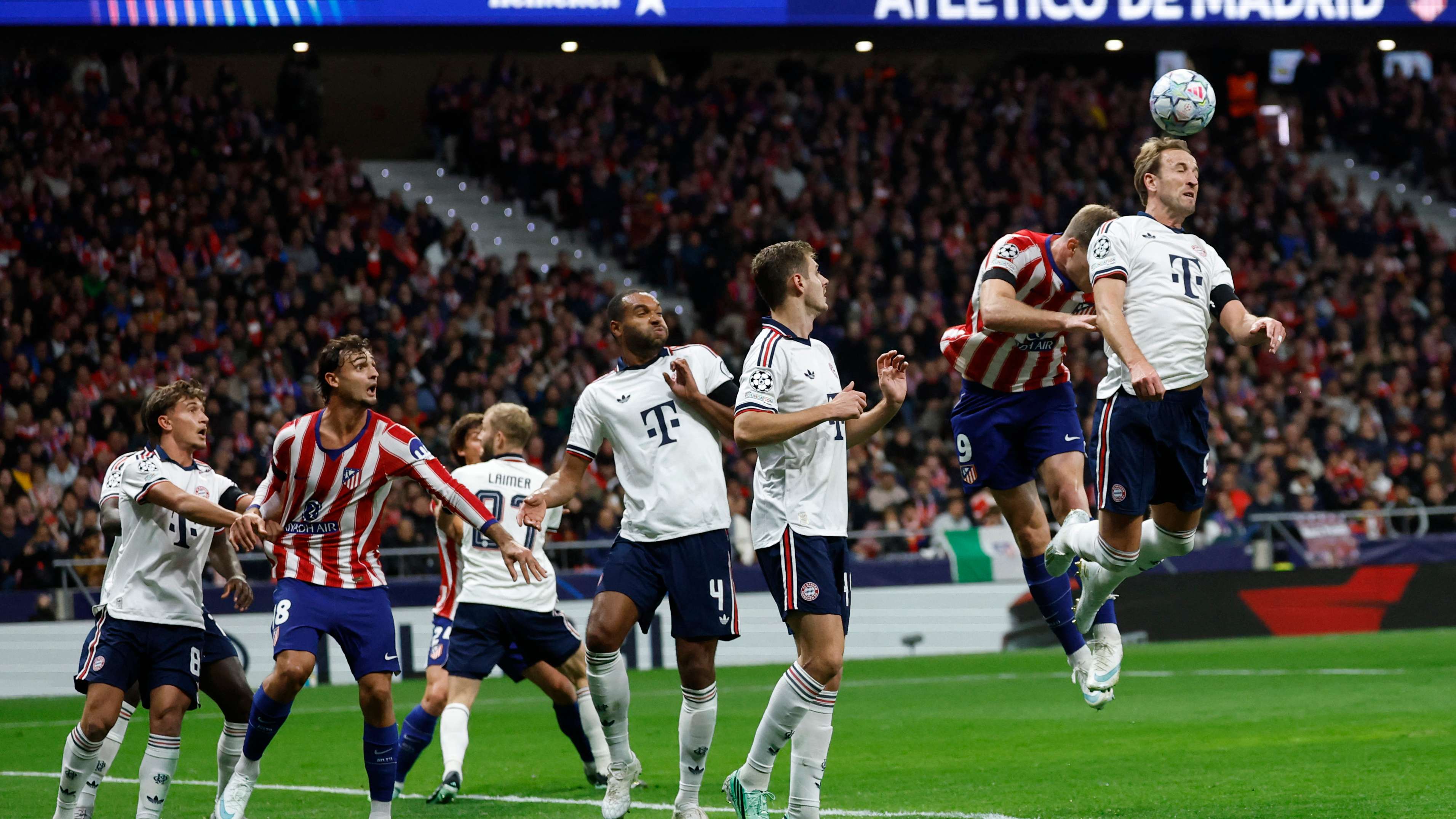
Bayern Munich and Atlético Madrid are known for their attacking quality, European experience and ability to turn high-pressure matches into compelling contests. Yet their Champions League meeting in the fourth round of the league phase offered an unexpectedly quiet opening: the first half ended goalless, and neither team managed to register a shot on target.
The statistic, highlighted by football data specialist MisterChip, stood out because it was so unusual for Bayern—particularly in European competition. While the match still had plenty of time to develop after the interval, its opening 45 minutes revived a remarkable piece of history and raised questions about how two elite sides had managed to keep each other’s forwards so effectively contained.
A Statistical Outlier for Bayern
According to MisterChip’s figures, the last time a Bayern match in any competition reached half-time without either team producing a shot on target was on 9 April 2022. Bayern beat Augsburg 1-0 in that Bundesliga fixture, but the first half passed without a shot testing either goalkeeper.
The wait for a similar statistic in the Champions League was much longer. To find the previous Bayern European match in which neither side recorded a first-half shot on target, it was necessary to go back to 14 April 2009. On that occasion, Bayern drew 1-1 with Barcelona in the second leg of their Champions League quarter-final.
The comparison gives the latest Bayern-Atlético encounter added significance. More than 17 years had passed since the German club’s previous Champions League match with this particular first-half pattern. It is not simply a measure of how few goals were scored; it reflects how rare it is for a Bayern European game to produce so little direct threat before the break.
Why the Opening 45 Minutes Were So Tightly Contested
A lack of shots on target does not necessarily mean a lack of effort, possession or attacking intent. A team can advance into dangerous areas, create openings and still fail to force the goalkeeper into action. Shots may be blocked, sent wide or charged down before they reach the goal. In a match between opponents as tactically disciplined as Bayern and Atlético, those details can define the entire half.
Atlético have long been associated with compact defending, close marking and a willingness to make opponents work for every clear opportunity. Against Bayern, that approach can involve limiting space between the defensive and midfield lines, crowding central areas and encouraging attacks into less threatening positions. The aim is not necessarily to stop Bayern from having the ball, but to make it difficult for the German side to turn possession into a clean attempt.
Bayern, meanwhile, typically seek to establish control through sustained possession, quick combinations and movement in the final third. But against a well-organised opponent, circulation alone is not enough. The decisive challenge is finding a pass or run that breaks the defensive shape before Atlético can reset. If those moments are delayed or disrupted, a high-profile attack can end the half with little to show on the scoreboard.
Possession and Pressure Do Not Always Produce Clear Chances
The statistic also offers a useful reminder for football supporters assessing a match in real time: attacking pressure and shots on target are not the same thing. A side may spend long periods in the opposition half without forcing a save. Conversely, one accurate attempt can change the feel of a game even if a team has had little possession.
For coaches and analysts, the absence of shots on target can point to several possible issues. The final pass may be arriving too slowly, forwards may be receiving the ball with their backs to goal, or defenders may be closing down shooting angles before an attempt can be taken. It can also reflect a deliberate tactical battle in which both teams prioritise control and avoid exposing themselves to counter-attacks.
In a Champions League fixture, that caution is understandable. Bayern and Atlético know that a misplaced pass or poorly timed forward run can create an opening for the opponent. When the cost of a mistake is high, teams may favour secure possession and defensive balance over a riskier approach that could produce more chances—but also leave them vulnerable.
What the Statistic Means for the Match—and Any Prediction
The goalless first half and lack of accurate attempts created an intriguing setting for the second period, but the figure alone cannot determine the final result. A quiet opening may be followed by a more open contest if one team scores, changes its formation or introduces fresh attacking players. Equally, the same defensive discipline can continue to frustrate both sides.
For anyone making a football prediction, this kind of statistic is best treated as context rather than a guarantee. It highlights the strength of the defensive contest and the difficulty of creating clear chances, but it does not prove that the match will remain low-scoring. The teams’ substitutions, fitness levels, tactical adjustments and response to the first goal—if one arrives—can all alter the pattern.
Supporters watching the second half could therefore look beyond possession totals and focus on more revealing signs: whether Bayern began finding space between Atlético’s lines, whether the Spanish side threatened on the counter, and whether either goalkeeper was finally forced into meaningful action. Those changes would indicate that the tactical stalemate was beginning to break.
A Reminder of the Champions League’s Tactical Edge
The meeting between Bayern Munich and Atlético Madrid underlined how even the continent’s most prominent attacking teams can be drawn into a cautious, finely balanced contest. The first-half record was striking precisely because both clubs are accustomed to playing on the biggest stage and because Bayern’s previous Champions League example dated back to 2009.
Ultimately, the statistic tells a story of control, defensive organisation and missed opportunities—or, more accurately, opportunities that never became shots on target. It also adds a historical layer to a match that might otherwise be remembered simply for a scoreless opening period. In elite football, a quiet half can be as revealing as a goal-filled one: sometimes the most important action is the space, pressure and decision-making that prevent a shot from happening at all.