
Al-Ahli vs Al-Nassr Clasico Timing Raises Questions Over Firas Al-Buraikan’s Schedule
The date of the postponed Al-Ahli–Al-Nassr clasico has drawn attention to a difficult scheduling challenge for Firas Al-Buraikan. The Al-Ahli striker is among the nominees for the 2026 Asian Player of the Year award, but the ceremony in Kuala Lumpur is set for Thursday, November 19—less than 24 hours before his club is due to face Al-Nassr in the Roshn Saudi League.
The tight turnaround has prompted questions about whether Al-Buraikan can attend the continental awards event and still be ready for one of the season’s most anticipated fixtures. International travel, recovery time and match preparation may all become factors as Al-Ahli weigh the importance of having their forward available for the clasico.
A continental award and a major league fixture
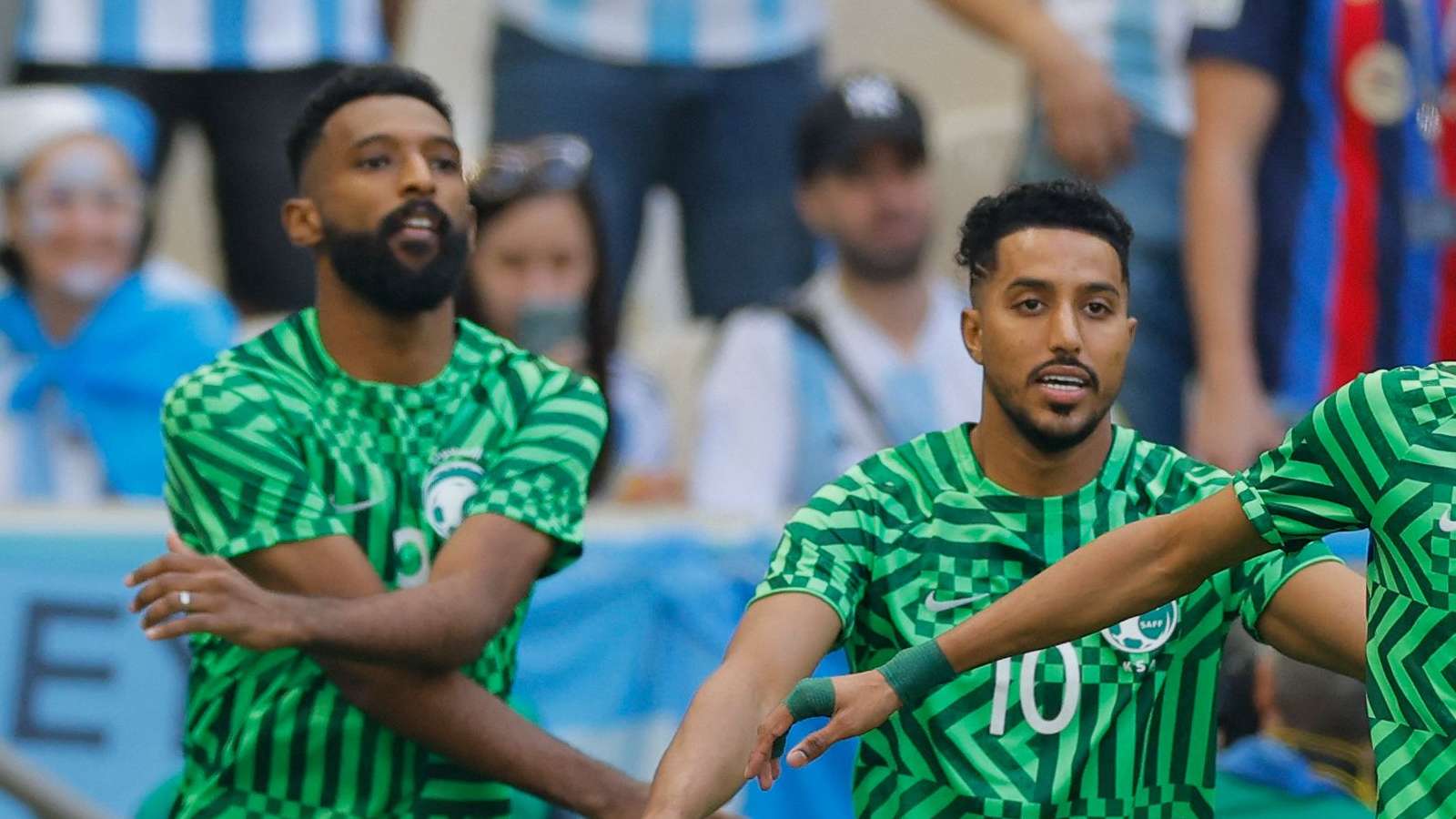
The Asian Football Confederation will hold its awards ceremony in Malaysia’s capital, where Al-Buraikan is competing for one of the continent’s leading individual honors. The shortlist also includes Salem Al-Dawsari, the Al-Hilal captain and Saudi national team leader, as well as Iranian goalkeeper Alireza Beiranvand.
For Al-Buraikan, the nomination represents recognition of his performances and a chance to compete for a major personal achievement. Yet the ceremony falls at a particularly challenging point in the domestic calendar. Al-Ahli are scheduled to meet Al-Nassr on Friday, November 20, in a match postponed from the ninth round of the Roshn League.
That leaves little time between the awards ceremony and kickoff. Even if Al-Buraikan travels directly back to Saudi Arabia after the event, the journey could limit his opportunity to rest, train with his teammates and prepare physically for the match. The precise effect will depend on travel arrangements and the time of the game, but the narrow gap has already become a talking point among supporters.
Why the Al-Ahli–Al-Nassr match matters
The Al-Ahli and Al-Nassr meeting is more than a routine league fixture. Matches between two of Saudi Arabia’s most closely followed clubs attract significant attention from fans and media, while the result can carry important consequences for each side’s ambitions. A postponed game can also disrupt a team’s rhythm, particularly when it arrives amid a busy run of league and international commitments.
Al-Ahli will want their key players in the best possible condition, especially in a high-profile contest against a strong opponent. Al-Buraikan’s movement, finishing and ability to create pressure in the attacking third can make him an important part of the team’s approach. If he is unavailable or not fully recovered, the coaching staff may need to adjust its starting lineup, attacking roles or match plan.
However, it would be premature to assume that the striker will miss the game or be unable to perform. The club’s final decision could depend on the player’s condition after travel, the team’s medical assessment and the coach’s view of how much match preparation is essential. A brief turnaround creates uncertainty, but it does not automatically determine the outcome.
Salem Al-Dawsari adds another layer to the story
The presence of Salem Al-Dawsari among the award contenders gives the situation an added Saudi football dimension. Both Al-Dawsari and Al-Buraikan are seeking recognition on the continental stage, though their club responsibilities are different. Al-Buraikan’s immediate challenge is especially direct: he may have to move from an awards ceremony in Kuala Lumpur to a major domestic fixture in Saudi Arabia in less than a day.
The contrast highlights the demands placed on leading players, who can be expected to represent their clubs, national teams and the wider region across overlapping schedules. Individual honors are an important part of a player’s career, but club commitments remain central—particularly when a high-profile league match has already been rearranged.
Travel, recovery and match readiness
The main concern is not simply whether Al-Buraikan can attend the ceremony. It is how much time he will have to recover after international travel and return to training. Long journeys can affect sleep, hydration and physical freshness, while a short preparation window may leave limited opportunity for tactical work with the squad.
Clubs often manage these situations by monitoring players closely and tailoring recovery plans to the time available. That may include adjusted training, medical checks and individualized rest. Still, the circumstances can make preparation more complicated for both the player and coaching staff, especially when the next match carries considerable interest.
For Al-Ahli, the balance is clear but not simple: the club has reason to value its striker’s chance to pursue a prestigious Asian award, while also needing to protect his readiness for the Al-Nassr encounter. The player, meanwhile, faces two important commitments in quick succession—one representing his individual achievements and the other his club.
What the scheduling debate means for Saudi football
The controversy has renewed discussion about how football calendars account for major award ceremonies and international travel. When a continental event is scheduled close to a domestic fixture, clubs and players can face difficult decisions. Better coordination between governing bodies, leagues and clubs could help reduce avoidable clashes, particularly for players expected to attend formal events abroad.
For fans looking ahead to the Al-Ahli vs Al-Nassr prediction, Al-Buraikan’s availability may become an important factor. His presence could strengthen Al-Ahli’s attacking options, while any restriction on his minutes might influence the team’s formation and approach. But the match will ultimately be shaped by more than one player: team form, defensive organization, midfield control and the effectiveness of each side’s forwards will all matter.
Until Al-Ahli provide clarity on the striker’s travel and fitness, uncertainty will remain. What is clear is that the schedule places Al-Buraikan in an unusual position, with a chance to pursue Asian football’s top individual recognition immediately before a major club test. The coming days will reveal whether careful planning can allow him to take part in both occasions without compromising his preparation for the clasico.