
Chinese Conglomerate Suning Loses Control of Inter Milan Due to Financial Instability
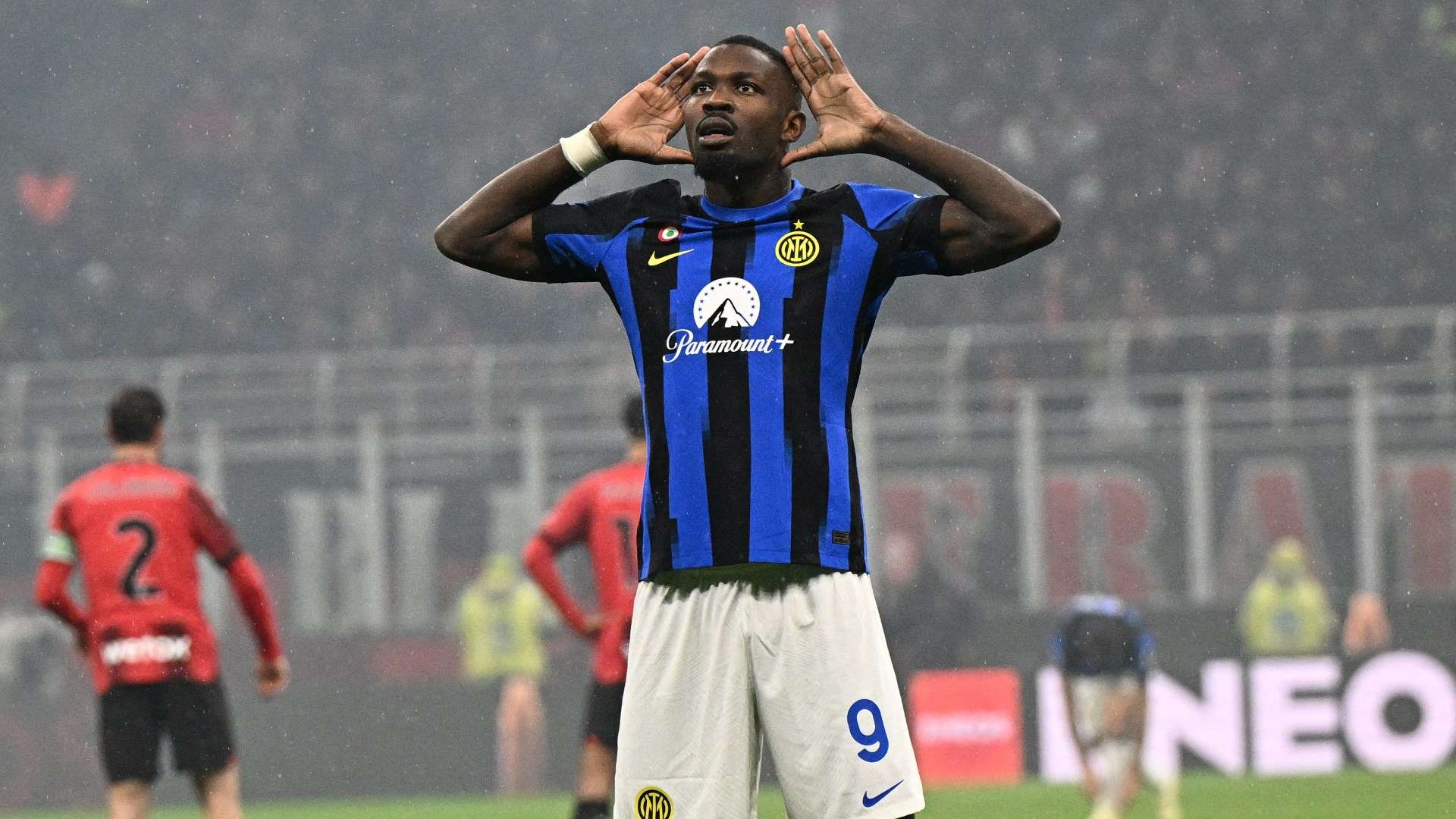
In a surprising turn of events, Chinese conglomerate Suning has lost control of the iconic football club Inter Milan due to financial instability and domestic economic pressures. This loss of control came after the owners secured a €275 million high-interest rescue loan from Oaktree Capital to keep the club afloat. When a billion-euro sale failed to materialize before the deadline, ownership of Inter Milan ultimately ended up in the hands of the lenders.
Financial Challenges Lead to Suning’s Downfall at Inter Milan
The downfall of Suning at Inter Milan did not happen overnight but was the result of a process that unfolded over four years. It began as China started pulling back from overseas football investments and accelerated with the financial impact of the COVID-19 pandemic. The first cracks appeared in 2020, setting the stage for Oaktree’s eventual takeover of the club.
Suning, facing mounting debts and economic challenges in China, struggled to support Inter financially. The retail business of Suning reported significant losses, making it increasingly difficult for the shareholder to inject capital into the football club. As a result, Inter had to seek funding from external sources, leading to the high-interest rescue loan from Oaktree in May 2021.
The Oaktree Loan and Failed Sale Process
Oaktree, a global investment manager specializing in distressed assets, provided Suning with the €275 million loan at a 12% annual interest rate, structured through a Luxembourg-based holding company that owned Inter. The loan agreement stipulated that if Suning failed to repay, Oaktree would gain control of the holding company and Inter Milan.
Despite attempts to refinance the loan and multiple reports of sale processes, Suning was unable to find a buyer willing to meet the asking price of €1.2 billion. The failed sale process highlighted the financial challenges Inter faced, including significant debt, limited growth opportunities, and no control over its stadium.
Oaktree Takes Control of Inter Milan
As Suning failed to repay the loan by May 2024, Oaktree exercised its rights under the collateral agreement and took control of Inter Milan. This transfer of ownership was not a traditional acquisition but a result of a creditor enforcing its security, showcasing how debt ultimately determined the fate of the club.
The decline in the value of Suning’s shareholding in Inter from €586 million to €148 million further emphasized the impact of the heavy debt burden on the club’s equity. Despite possessing a strong global brand and sporting prestige, Inter’s financial struggles led to the loss of ownership to Oaktree.
Conclusion
Suning’s gradual loss of control over Inter Milan serves as a cautionary tale of how financial instability and debt can impact the ownership of a football club. The shift in ownership from Suning to Oaktree highlights the challenges faced by clubs in a financially driven industry where private equity investors play a significant role.
In the next installment of this series, we will delve into the Oaktree era at Inter Milan and explore how an investor known for distressed debt manages one of Europe’s biggest football clubs. Subscribe to Cleats & Cashflows on LinkedIn to stay updated with the latest articles.
Impact of Financial Instability on Football Clubs
The case of Suning losing control of Inter Milan sheds light on the broader issue of financial instability in football clubs worldwide. Many clubs, especially those with high levels of debt and limited revenue streams, face significant challenges in maintaining financial viability. The reliance on external funding, such as loans and investments, can lead to a loss of control over the club’s destiny when financial obligations cannot be met.
Financial instability not only affects the ownership structure of football clubs but also impacts their ability to invest in player development, infrastructure, and competitive success. Clubs caught in a cycle of debt struggle to compete at the highest levels and may face consequences such as player sales, wage cuts, and even administration or bankruptcy.
Lessons Learned from Inter Milan’s Situation
The situation at Inter Milan serves as a cautionary tale for football clubs and investors alike. It underscores the importance of sustainable financial management, diversification of revenue streams, and prudent decision-making to avoid falling into a debt trap that jeopardizes long-term stability.
For investors and owners, the case of Suning losing control of Inter Milan highlights the risks associated with overleveraging and relying on debt to finance club operations. It emphasizes the need for thorough due diligence, risk assessment, and contingency planning to mitigate the impact of financial crises and ensure the club’s survival in challenging times.
Future Prospects for Inter Milan Under Oaktree’s Ownership
With Oaktree taking control of Inter Milan, the club faces a new chapter under the ownership of a global investment manager specializing in distressed assets. The transition to Oaktree’s stewardship raises questions about the club’s strategic direction, financial management, and potential for growth and success on and off the pitch.
As Oaktree assumes control of Inter Milan, stakeholders will be watching closely to see how the new owners navigate the club’s financial challenges, improve its operational efficiency, and position it for sustainable long-term success. The Oaktree era at Inter Milan presents an opportunity for restructuring, revitalization, and strategic repositioning to ensure the club’s competitiveness and financial stability in the ever-evolving landscape of European football.
Conclusion
In conclusion, the loss of control of Inter Milan by Suning due to financial instability serves as a stark reminder of the impact of debt and economic pressures on football clubs. The case study of Inter Milan underscores the importance of prudent financial management, sustainable business practices, and strategic foresight in safeguarding the future of football clubs in an increasingly competitive and challenging environment.
As the football industry continues to evolve and face new challenges, the lessons learned from Inter Milan’s situation can guide clubs, investors, and stakeholders in navigating the complexities of modern football economics and ensuring the long-term success and sustainability of their beloved teams.