
The Decline of Real Madrid: A Crisis in Identity
In a scathing article titled “Real Madrid is no longer Real Madrid,” Spanish journalist Juan Ignacio Gallardo shines a harsh light on the current state of the iconic football club. Gallardo paints a bleak picture, arguing that Real Madrid has lost a significant part of its historic identity rooted in dominance and determination.
A Deeper Crisis
In his piece for Marca, Gallardo suggests that the recent defeat to Girona is not an isolated incident but rather a symptom of a deeper crisis within the club’s technical and administrative structure. He points to a lack of clear vision and internal power struggles as key factors fueling uncertainty within the organization.
The club’s habitual reliance on comebacks, according to Gallardo, serves as a mask for deeper issues related to preparation and complacency. He notes that a team once known for grinding out victories through sheer willpower now seems to be surviving on the fading embers of past glory.
A State of Confusion
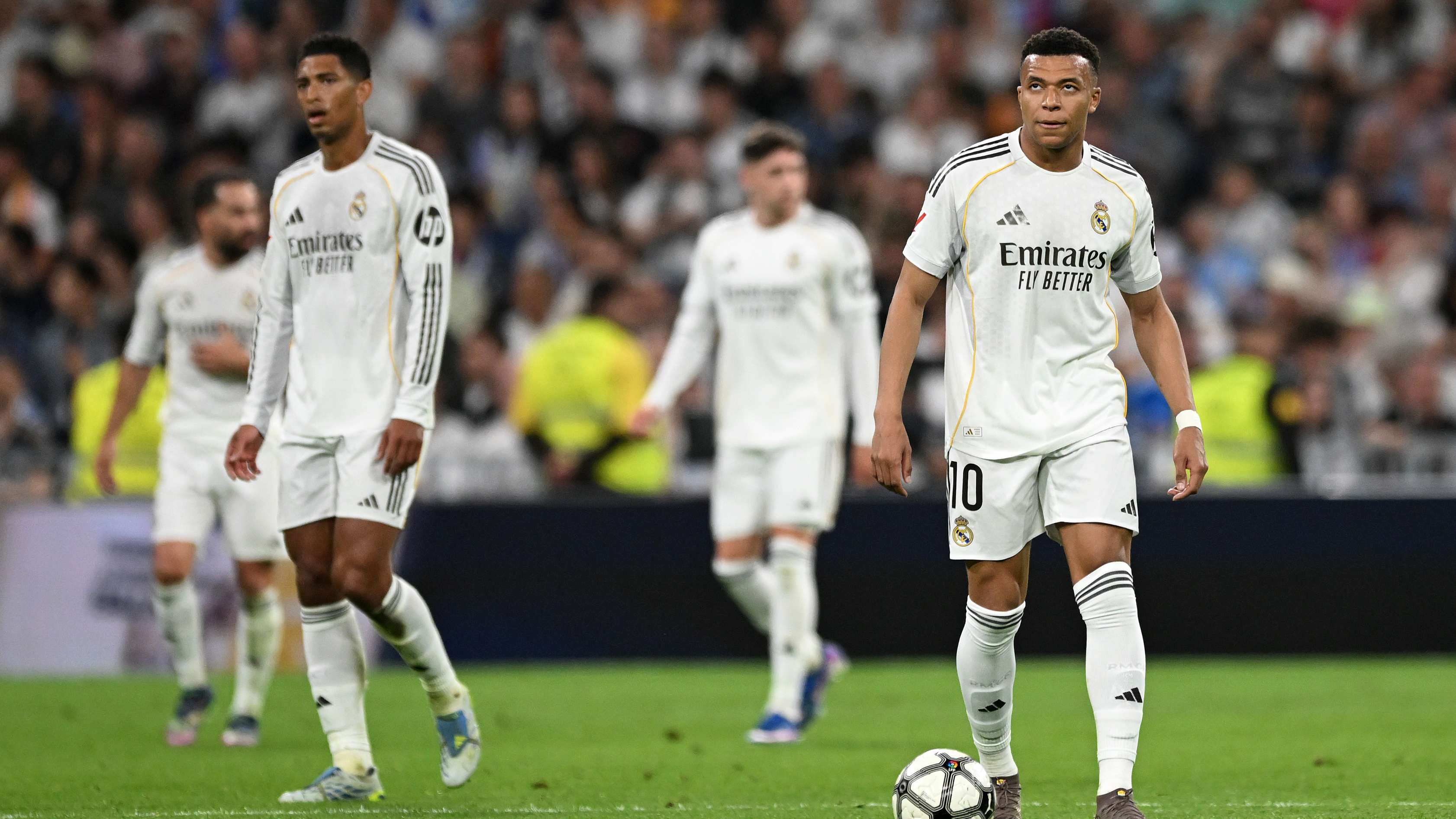
The recent setback against Girona has left the Santiago Bernabéu buzzing with anger, disappointment, and confusion. Supporters, accustomed to witnessing their team’s dominance, are now left questioning why performances have declined and why the club’s famed character seems to have eroded.
Despite demands for explanations from the coaching staff, silence is the only response that meets the fans’ inquiries. Reports in the media even suggested the appointment of a new sporting director, a claim that Real Madrid promptly and emphatically denied.
Leadership Struggles
Internally, sources within the club reveal a dual leadership dynamic between General Manager José Ángel Sánchez and Moroccan adviser Anas Lagrairi, who acts as President Florentino Pérez’s right-hand man. While Lagrairi does not hold an official position, his considerable influence behind the scenes has complicated his relationship with Sánchez and raised questions about the current leadership balance.
The current inconsistency in decision-making, coupled with the team’s fluctuating form, has sparked concerns about Real Madrid’s future in a season that appears destined to finish without any silverware. Following their exits from the Cup competitions and a dip in La Liga form, the Champions League remains their last hope for salvaging the campaign, albeit with significant risks.
A Crossroads for Real Madrid
The club finds itself at a critical juncture: a glorious past built on confidence and consistency contrasts sharply with a turbulent present marked by a lack of clear vision and balanced management. Fans are demanding answers, the stadium is filled with questions, yet the dugout remains ominously silent.
Ultimately, Real Madrid must navigate this crisis in identity and leadership if they are to reclaim their former glory and secure a successful future in the world of football.
Rebuilding from the Ground Up
As Real Madrid grapples with its identity crisis, there is a sense of urgency within the club to address the underlying issues that have led to its decline. One of the key areas of focus is the need for a comprehensive overhaul of the squad. The aging core of the team, once synonymous with success, now struggles to keep up with the demands of modern football.
New blood is essential to inject fresh energy and talent into the team. The recruitment strategy must shift towards young, hungry players who embody the spirit of relentless determination that has defined Real Madrid in its prime. This rejuvenation process will require astute decision-making in the transfer market and a willingness to let go of underperforming stars.
Reviving the Winning Mentality
Central to Real Madrid’s resurgence will be a rediscovery of the winning mentality that has been a hallmark of the club throughout its illustrious history. The players must be instilled with a sense of purpose and drive that goes beyond mere technical skills. The club’s values of discipline, commitment, and passion for the game must be reaffirmed and embodied on the pitch.
Furthermore, the coaching staff must play a crucial role in fostering a culture of excellence within the team. Clear tactical instructions, effective communication, and unwavering support will be essential in guiding the players towards success. It is imperative that the leadership within the club sets a strong example and provides the necessary guidance to navigate through this turbulent period.
Leveraging Technology and Data
In the modern era of football, data analytics and technology play an increasingly significant role in shaping a team’s performance. Real Madrid must embrace these tools to gain a competitive edge and optimize their decision-making processes. By leveraging data to analyze player performance, tactical strategies, and opponent weaknesses, the club can make more informed choices both on and off the field.
Implementing cutting-edge training techniques and sports science methodologies can also contribute to the physical and mental well-being of the players, enhancing their overall performance and resilience. By staying at the forefront of innovation and embracing new technologies, Real Madrid can position itself for long-term success in an ever-evolving football landscape.
Looking Towards the Future
While the current challenges facing Real Madrid are daunting, they also present an opportunity for growth and transformation. By confronting their crisis in identity head-on and making bold, strategic decisions, the club can lay the foundation for a brighter future. It will require a collective effort from players, coaches, management, and supporters to navigate through this turbulent period and emerge stronger on the other side.
Real Madrid’s legacy as one of the greatest football clubs in history is at stake, but with a renewed sense of purpose, determination, and unity, there is hope for a triumphant resurgence. As they navigate this critical juncture, the club must draw upon its rich heritage and unwavering spirit to reclaim their status as a dominant force in the world of football.