
Michael Carrick’s Manchester United Exit Prompts Questions Over Leadership and Club Direction
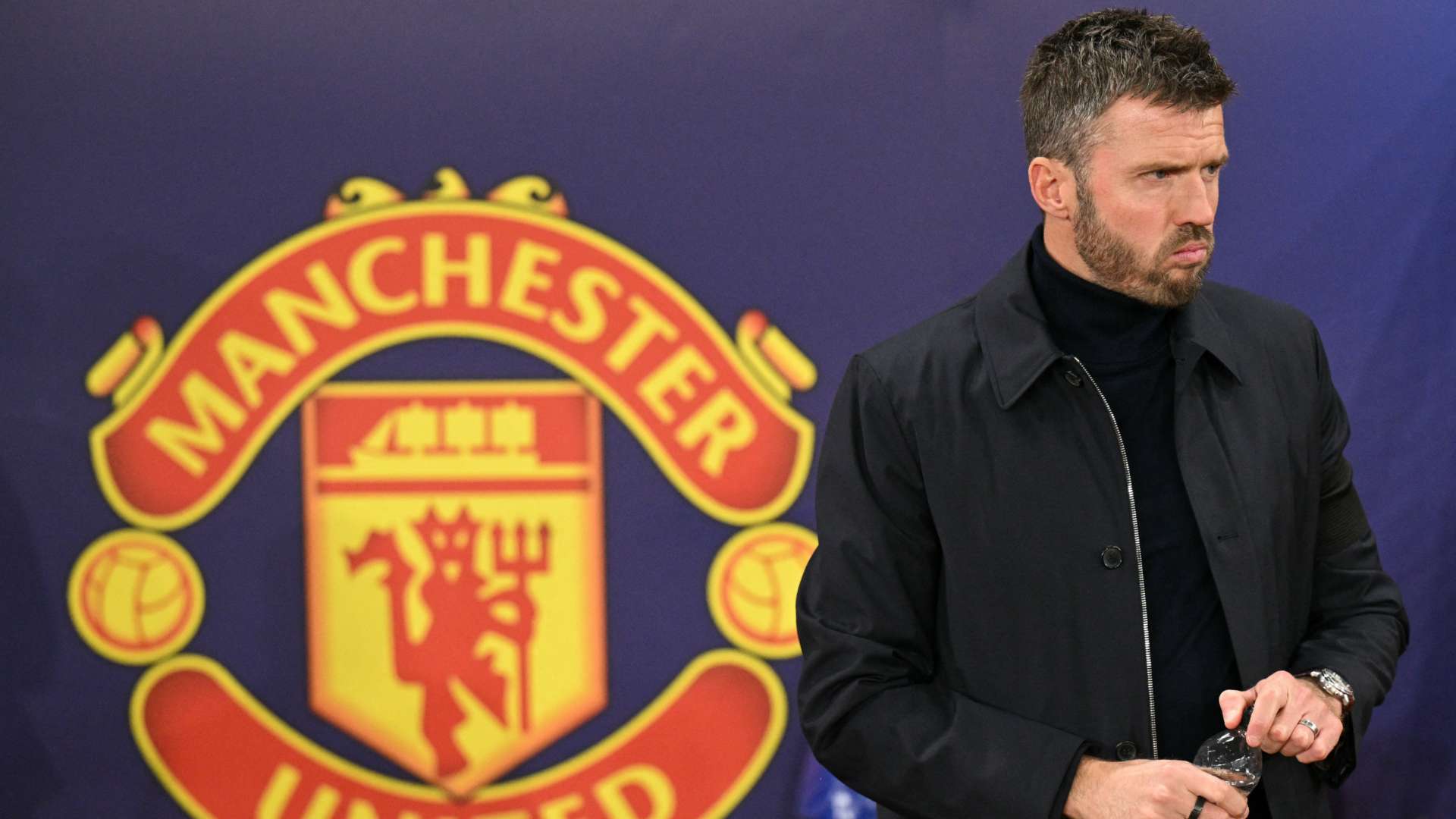
Michael Carrick has been relieved of his managerial duties at Manchester United after weeks of speculation about his future, bringing another chapter of uncertainty to the Premier League club. The decision has renewed debate over why the former midfielder struggled to make a lasting impact at Old Trafford—and whether the qualities that made him a respected player were enough for one of football’s most demanding jobs.
Former Manchester United defender Paul Parker has offered his perspective to GOAL, arguing that Carrick faced a challenge that went beyond tactics and results. His comments point to the intense expectations surrounding the club, where managers are judged not only on performances but also on their ability to command attention, shape a clear identity and withstand relentless scrutiny.
Why Carrick’s Manchester United Spell Fell Short
Carrick arrived with a deep understanding of Manchester United’s culture. A title-winning midfielder who spent years at the club, he knew the standards associated with the badge and had experience working alongside elite players. That background gave him credibility with supporters, but it did not guarantee success in the dugout.
The transition from player to manager is rarely straightforward. On the pitch, Carrick was known for his composure, positioning and ability to read the game. Management, however, demands a broader skill set: setting a direction, managing personalities, communicating decisions and making difficult choices under pressure. A coach may understand football in detail yet still struggle to translate that knowledge into consistent authority across a squad.
Parker’s assessment has also brought attention to the question of personality. Reports and discussion around Carrick’s tenure have raised the issue of whether he had the forceful presence required to lead a club as high-profile as United. That is not simply a matter of being loud or confrontational. At a major club, leadership can mean delivering a clear message, maintaining standards when results dip and persuading players to commit to a shared plan.
The pressure of managing a global club
Manchester United’s managerial role comes with unusual demands. Every team selection, tactical adjustment and post-match comment can become a national talking point. Supporters expect progress, while the club’s history creates a constant comparison with successful eras. That environment leaves little room for a new manager to build quietly, particularly when performances are inconsistent.
For Carrick, the challenge was therefore both practical and symbolic. He had to improve results while convincing players and fans that he could provide a dependable long-term vision. When a team is searching for consistency, even small setbacks can intensify questions about whether the manager has the authority and experience to change its course.
That scrutiny can make it difficult to separate individual responsibility from wider club issues. A coach can influence training, tactics and selection, but recruitment, squad balance and organisational planning also shape a team’s results. United’s struggles have often been discussed in the context of broader structural questions, meaning Carrick’s departure is unlikely to end the debate over what the club needs to rebuild.
What United Must Consider in Its Next Appointment
The decision to move on from Carrick places renewed focus on Manchester United’s next managerial choice. A new appointment will need more than a strong reputation or an attractive style of play. The club must identify a coach whose approach fits the squad, who can communicate effectively with senior players and who has the resilience to handle the intense attention that comes with the job.
Clear planning will be essential. A manager cannot establish a stable football identity if the club’s priorities change repeatedly or if recruitment does not support the intended system. United will need to consider which positions require reinforcement, how its younger players fit into the project and whether the squad has the balance needed to compete consistently across the Premier League season.
Supporters will also want to see a recognisable approach on the pitch. That does not mean every match must follow the same script, but players should understand their roles and the team should display a coherent plan in possession and without the ball. A convincing football prediction about United’s future is difficult to make until there is evidence of that consistency, both in performances and in decision-making behind the scenes.
More than a question of tactics
Carrick’s departure is a reminder that managerial success depends on several factors working together. Tactical preparation matters, but so do communication, squad management, recruitment and the ability to earn trust. At a club with Manchester United’s profile, a manager must also be comfortable operating under constant public evaluation.
It would be too simple to conclude that personality alone explains Carrick’s difficulties. Results are shaped by the quality and balance of the squad, injuries, confidence and the strength of opponents. Still, Parker’s comments highlight an important part of the conversation: a manager needs to make his authority clear, especially when a team is under pressure and results are not meeting expectations.
What Happens Next for Manchester United?
United now face a defining period as they look to turn another change in the dugout into a genuine step forward. The club’s next decisions will influence not only its immediate results but also its longer-term identity. Choosing a manager without a clear plan for the squad could simply restart the cycle of short-lived optimism and renewed criticism.
Manchester United are scheduled to face Liverpool in the Premier League on 23 November 2026, a fixture that is likely to attract significant attention regardless of the club’s managerial situation. The rivalry brings its own pressure, but it also offers a measure of how effectively United can prepare for high-stakes football. Any assessment of the team should consider more than the result: organisation, intensity and the players’ response to the game plan will all matter.
For Carrick, leaving the role does not erase his contribution as a player or his standing among former teammates and supporters. His experience at Old Trafford may still inform future coaching opportunities. For United, however, the priority is to learn from the latest managerial change and build a structure capable of supporting whoever takes charge next.
The central question is no longer only whether Carrick was the right personality for the job. It is whether Manchester United can create the conditions in which its next manager has a realistic chance to succeed. Until the club combines a clear football strategy with consistent leadership and smart squad planning, predictions about a return to the top will remain uncertain.