
The Future of Vinicius Junior: A Decisive Factor in Real Madrid’s Transfer Market Policy
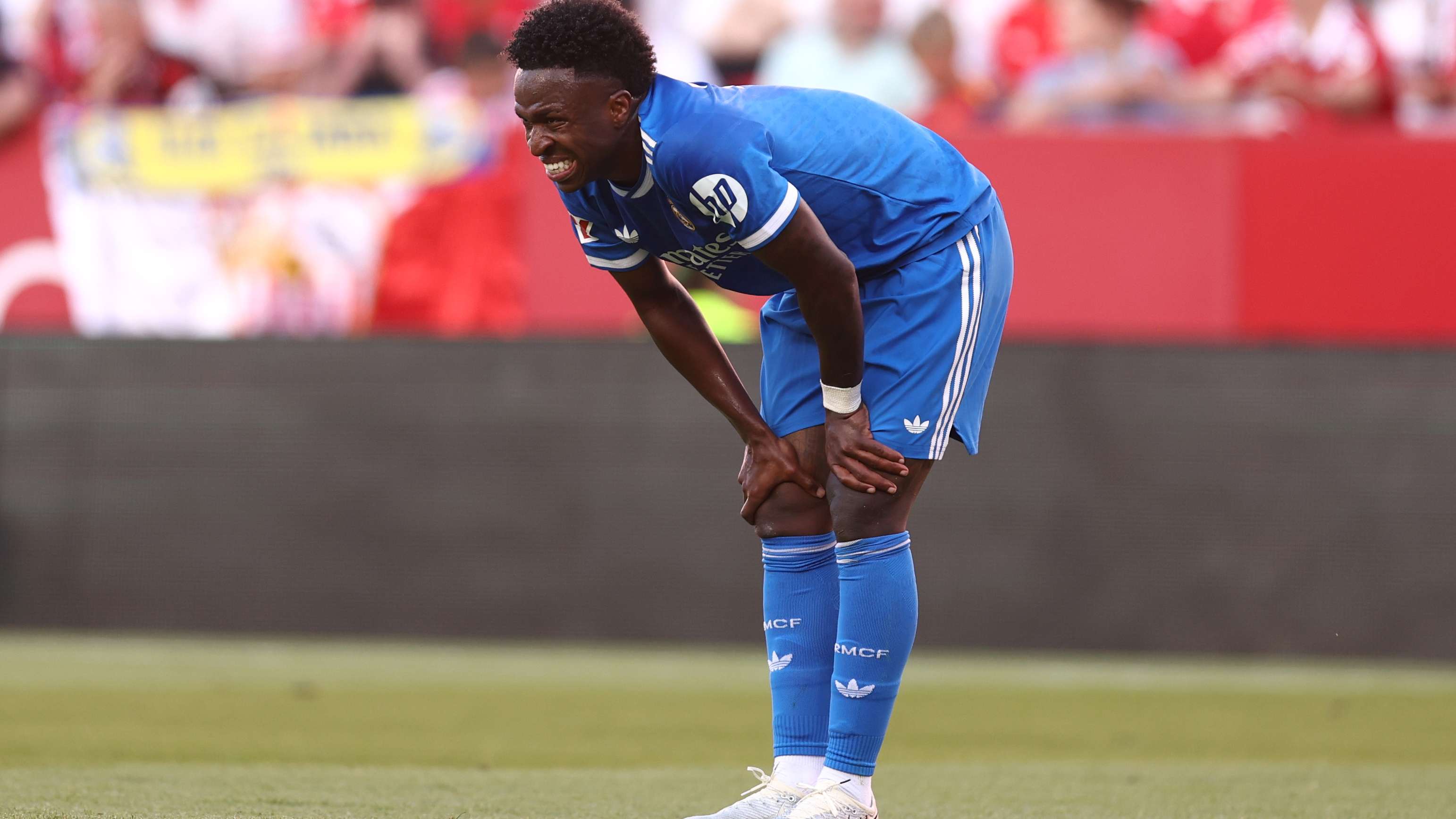
As the transfer window heats up, the future of Brazilian star Vinicius Junior has emerged as a critical factor in shaping Real Madrid’s transfer market strategy. The renewal of Vinicius’s contract, which is set to expire in 2027, is predicted to have a significant impact on the club’s pursuit of Leipzig’s Ivorian sensation, Yan Diomande.
Vinicius’s Renewal Decision Determines Real Madrid’s Next Move
Recent reports from Spanish newspaper Mundo Deportivo suggest that Vinicius’s decision to renew his contract with Real Madrid will directly influence whether the club proceeds with the signing of Yan Diomande. The deal appeared to be on the verge of completion until Leipzig raised their asking price, causing a temporary standstill in negotiations.
If negotiations with Vinicius collapse and he declines the renewal offer, Real Madrid may be forced to place him on the summer transfer market to secure a substantial fee. This move would prevent the nightmare scenario of losing the talented Brazilian for free in the future.
Paris Saint-Germain Looms as a Threat
Real Madrid faces the looming threat of Paris Saint-Germain swooping in to acquire Vinicius for free in 2027, potentially seeking revenge for the Kylian Mbappe deal. PSG could offer an enticing contract and a substantial signing bonus to lure the Brazilian away from Real Madrid.
Alternatively, if Vinicius and Real Madrid reach an agreement to extend his contract, the club may reconsider pursuing Yan Diomande due to the financial strain posed by Leipzig’s high demands. This decision could impact Real Madrid’s overall transfer strategy, which includes a potential deal for Rodri Hernandez from Manchester City.
Player Departures to Fund Summer Business
In order to maintain financial stability and fund their summer transfer activities, Real Madrid is expected to offload several players. Eduardo Camavinga is a prime candidate for departure following the exits of Gonzalo and the upcoming departure of Mastantuono.
Camavinga’s market value and the interest from top European clubs make him a valuable asset to generate a significant fee. Additionally, Brahim Diaz, who represents Morocco internationally, could also be among the players on the departure list, especially with the arrival of Bernardo Silva from Manchester City and the emergence of Arda Guler.
With the future of Vinicius Junior at the forefront of Real Madrid’s transfer decisions, the club faces crucial choices that will shape their squad for the upcoming season. Stay tuned for more updates on the evolving transfer market saga at the Santiago Bernabeu.
The Role of Vinicius Junior’s Form in Real Madrid’s Transfer Strategy
Another key aspect influencing Real Madrid’s transfer decisions is Vinicius Junior’s current form on the pitch. The Brazilian winger has been in scintillating form in recent matches, showcasing his explosive pace, dribbling skills, and goal-scoring prowess. This impressive run of form has not gone unnoticed by top European clubs, further complicating Real Madrid’s decision-making process.
If Vinicius continues to perform at a high level and remains a vital asset to the team, Real Madrid may prioritize securing his long-term future at the club. His potential to develop into a world-class player makes him a valuable commodity in the transfer market, with clubs willing to pay top dollar for his services.
Scouting Reports and Data Analysis in Transfer Decision-Making
Real Madrid’s transfer strategy also involves in-depth scouting reports and data analysis to identify potential targets and assess their suitability for the team. The club’s recruitment team closely monitors players like Yan Diomande and Rodri Hernandez, analyzing their performance metrics, playing styles, and tactical fit within the squad.
By leveraging advanced analytics and data-driven decision-making, Real Madrid aims to make informed choices in the transfer market that align with the team’s long-term goals and vision. This analytical approach helps the club identify emerging talents, mitigate risks, and optimize their transfer investments.
The Role of Financial Fair Play Regulations in Real Madrid’s Transfer Policy
Real Madrid’s transfer strategy is also shaped by financial fair play regulations, which impose restrictions on clubs’ spending to ensure financial sustainability and fair competition. Compliance with these regulations is crucial for Real Madrid to avoid sanctions and maintain a healthy financial profile.
By carefully managing their transfer budget, offloading surplus players, and negotiating strategic deals, Real Madrid seeks to navigate the complexities of financial fair play regulations while pursuing top talent in the transfer market. This balancing act requires astute financial planning and shrewd decision-making to optimize the club’s resources effectively.
The Impact of Managerial Preferences on Transfer Activity
Real Madrid’s transfer strategy is also influenced by the preferences and tactics of the team’s manager. The coach plays a pivotal role in identifying player needs, shaping the squad’s playing style, and selecting transfer targets that complement their tactical vision.
Managerial input and feedback are crucial factors in determining the feasibility of potential transfers, as the coach’s endorsement can significantly impact the club’s decision-making process. Real Madrid’s transfer committee works closely with the manager to align transfer targets with the team’s strategic objectives and playing philosophy.
Overall, the intricate interplay of player form, scouting data, financial considerations, and managerial preferences shapes Real Madrid’s transfer market policy and influences the club’s approach to acquiring new talent. As the transfer window unfolds, the decisions made by the club will have lasting implications on the team’s competitiveness and success in the upcoming season.