
Jaissle’s Exit Blamed for Al-Ahli’s Troubled Season After Heavy Defeat
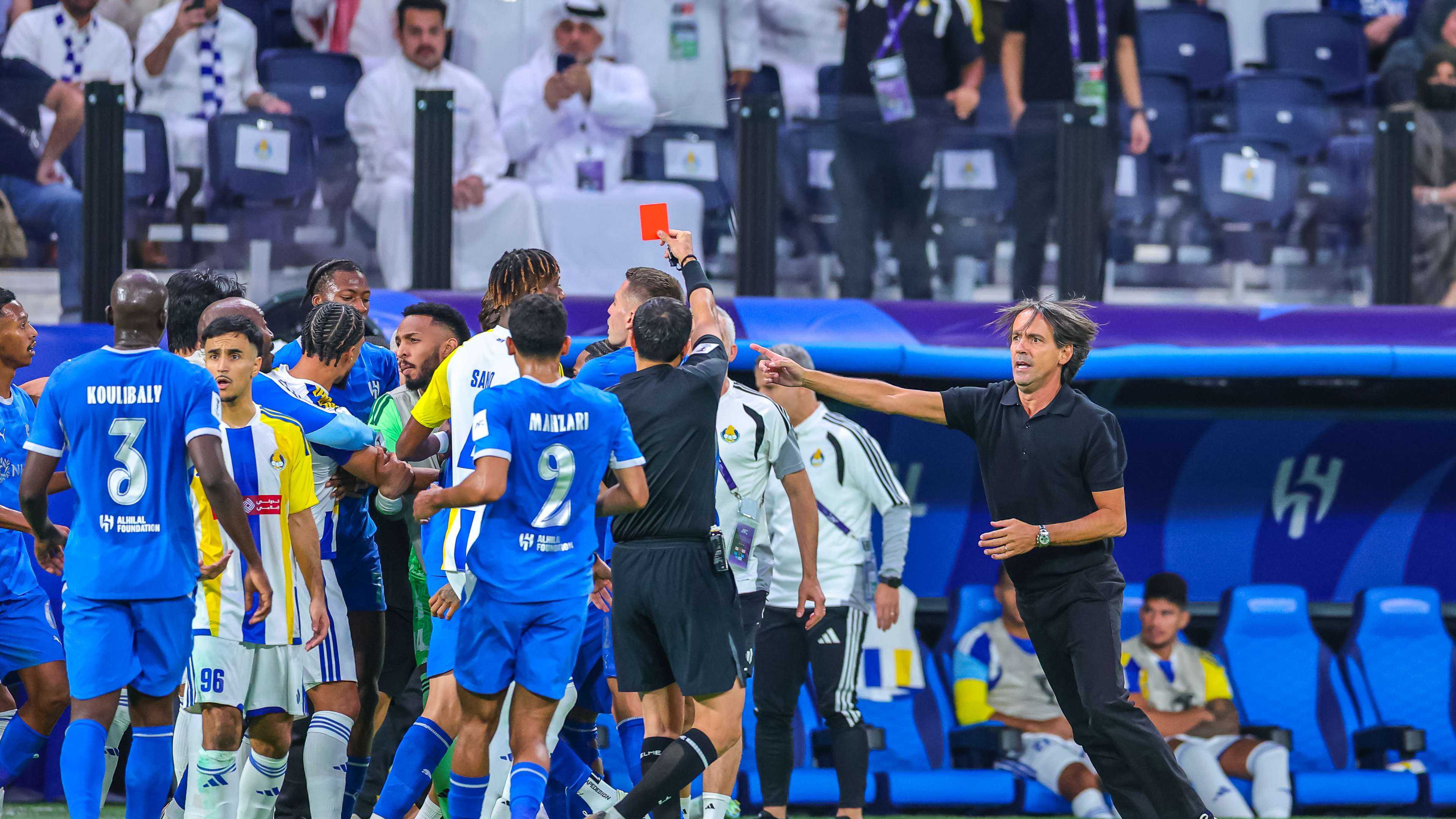
Al-Ahli’s difficult run of form has renewed debate about the effect of Matthias Jaissle’s departure, with former Saudi club player and Tunisian football figure Tarek Dhiab pointing to the German coach’s exit as a major turning point. His comments came after Al-Ahli suffered a stunning 6-1 defeat to Al-Shabab in Round 12 of the Saudi Pro League, a result that intensified scrutiny of the club’s direction and performances.
Speaking to Saudi broadcaster Thmanyah, Dhiab argued that losing Jaissle so close to the season had seriously disrupted Al-Ahli. He also highlighted the departure of other important figures and players, saying that several major changes arriving at once can make it difficult for a team to maintain stability.
Why Jaissle’s Departure Matters to Al-Ahli
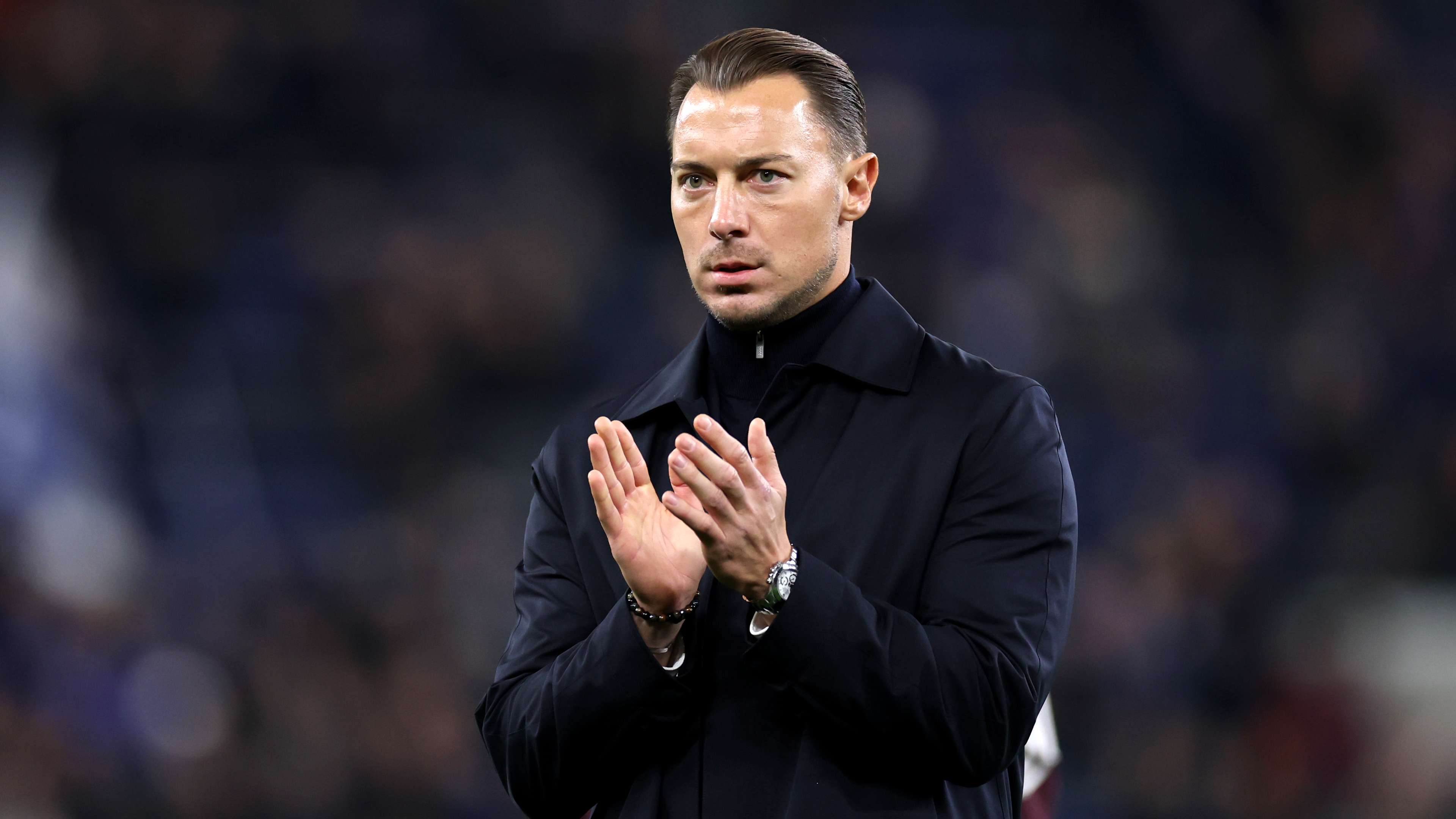
Jaissle reportedly decided to leave Al-Ahli only a few weeks before the campaign, later taking charge of Newcastle United. The coach and the Saudi club had reached an impasse in discussions over a new contract, and his departure was reportedly secured after Al-Ahli received around €12 million in compensation.
While a substantial fee may have helped the club manage the contractual side of the exit, it could not immediately replace Jaissle’s influence on the pitch. A head coach shapes more than a starting lineup: training routines, tactical principles, player roles and the standards expected across the squad are all built around his approach. When that structure changes shortly before a season, players and staff may need time to adapt.
Dhiab described the timing as particularly damaging. In his view, a coach leaving just weeks before a campaign begins is difficult enough, but the challenge grows when key personnel also depart. The combination can unsettle a dressing room and leave a successor with limited time to establish a clear identity.
More Than a Coaching Change
Al-Ahli’s situation illustrates why a managerial transition is rarely an isolated event. A new coach may inherit a squad assembled for a different tactical system, while players who were central under the previous manager may find themselves in unfamiliar roles. The club must also balance the immediate pressure to win with the longer-term work of building a coherent team.
For supporters, the effects can be visible in inconsistent performances, defensive lapses or difficulty responding when matches turn against the team. Those symptoms do not prove that a coaching change is the sole cause of poor results, but they can point to a wider adjustment period—especially when departures happen close together.
Al-Ahli’s recent struggles therefore raise questions beyond the identity of the coach. The club’s recruitment, squad depth, leadership on the pitch and ability to maintain a consistent plan will all influence whether it can recover. A strong response requires more than a change in tactics; it depends on clear communication and reliable performances from players across the squad.
Al-Shabab’s 6-1 Win Exposes Al-Ahli’s Problems
The scale of Al-Ahli’s defeat to Al-Shabab made the concerns difficult to ignore. Losing by five goals is a major setback for any side with ambitions near the top of the Saudi Pro League, and the result is likely to increase pressure on the coaching staff and players alike.
Heavy defeats can expose weaknesses that are less obvious in closer games. They may reveal problems with defensive organisation, concentration or the team’s ability to recover after conceding. They can also affect confidence, making the next fixture a test of both footballing quality and mental resilience.
At the same time, one result should not be treated as a complete explanation for an entire season. Al-Ahli will need to assess the performance in detail, identify what went wrong and respond quickly. The most important measure may be how the team performs in the matches that follow, rather than the scoreline alone.
What Comes Next for Al-Ahli?
Al-Ahli’s upcoming fixtures offer an early opportunity to show whether the team can steady its form. The club is scheduled to face Al-Sadd in the AFC Champions League Elite on November 3, 2026, before meeting Abha in the Saudi Pro League on November 5. The quick turnaround leaves limited time to dwell on the loss, but it also gives the squad a chance to rebuild momentum.
Those games will test the team in different ways. Continental competition brings its own demands, including the need to manage pressure and make effective use of the squad. A domestic league match, meanwhile, offers a direct opportunity to respond in the competition where the 6-1 defeat has drawn the most attention.
For Al-Ahli, a convincing performance would not erase the concerns raised by Dhiab, but it could demonstrate that the players remain united and capable of adapting. Conversely, further inconsistency would strengthen the argument that the club is still feeling the consequences of its disrupted transition.
Prediction: A Crucial Test of Character
Any football prediction for Al-Ahli’s immediate future depends on how quickly the team can restore organisation and confidence. The club has quality in its squad, but talent alone may not be enough if roles remain unclear or the side struggles to respond under pressure. A more disciplined performance in the next fixtures could help halt the slide, while another poor display would intensify questions about the club’s planning and leadership.
Dhiab’s assessment places Jaissle’s departure at the centre of Al-Ahli’s downturn, particularly because of its timing and the other departures around it. The German coach’s exit may have contributed significantly to the instability, but the club’s recovery will ultimately depend on what happens next: how effectively the current staff organise the team, how the players react and whether Al-Ahli can turn a damaging defeat into a reason to regroup.