
Shikabala Calls on Hossam Hassan to Resign as Egypt Football Debate Intensifies
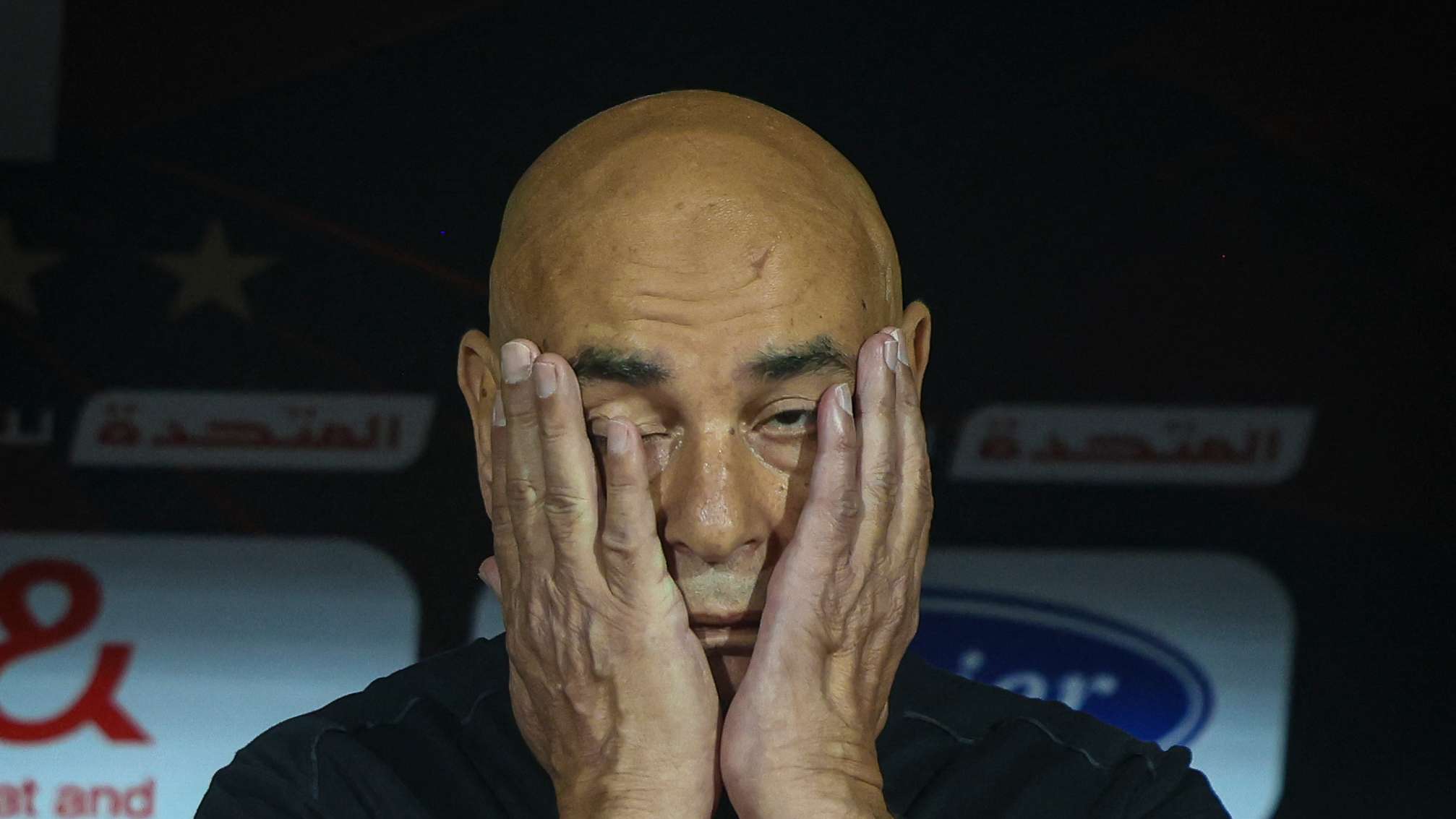
Former Zamalek captain Mahmoud Abdel Razek “Shikabala” has stirred a major debate in Egyptian football after urging national team coach Hossam Hassan to resign. Shikabala said his comments were motivated not by criticism of Hassan’s coaching ability, but by concern for the stature and respect traditionally associated with the Egypt head coach.
The outspoken message arrives as the Pharaohs prepare for two important Africa Cup of Nations qualifying matches against Malawi. With Egypt leading their group and the next fixtures approaching, Shikabala’s intervention has added another layer of attention to a national team camp already under scrutiny.
Shikabala says the coach’s standing must be protected
Speaking on MBC Egypt 2, Shikabala said he was surprised by the scale of the controversy surrounding Hassan in recent weeks. He described the public debate as unlike anything he could recall from the history of the Egypt national team, where the head coach’s position has often carried considerable prestige.
“It’s the first time in the history of the Egypt national team that I see such a fuss around the coach,” Shikabala said. Addressing Hassan directly, he added: “From someone who loves Captain Hossam: you must submit your resignation.”
Shikabala was quick to explain that his appeal was not intended as a judgment on Hassan’s football decisions or tactical approach. Instead, he argued that the national team manager should hold a distinct public standing—and suggested that recent events had weakened that image.
“The coach of the Egypt national team must have his own image and prestige,” he said. “That is what we have not been seeing in this recent period, and what I’m saying has nothing to do with football.”
The distinction is important. Shikabala framed resignation as a way to preserve Hassan’s reputation, rather than as a response to the team’s results. His comments therefore focus as much on the relationship between the national team, its leadership and public opinion as they do on the game itself.
Why the comments have attracted attention
Hassan is one of the most recognizable figures in Egyptian football. A former international striker and long-time symbol of the national side, he returned to lead the Pharaohs with high expectations from supporters. That profile can bring authority, but it also means that criticism of the coach can quickly become a wider discussion about leadership, accountability and the team’s direction.
For many fans, the coach’s public image matters because the Egypt job carries significance beyond the touchline. The national team is followed closely across the country, and its manager is often expected to project confidence during periods of pressure. Shikabala’s remarks tap into that expectation, even as they raise a difficult question: can a coach protect his standing by stepping away, or is the best response to answer criticism through results?
That question is likely to remain part of the conversation as Egypt’s qualifying campaign continues. The upcoming matches against Malawi provide Hassan with an immediate opportunity to shift attention back to football, but they also carry competitive importance for a side aiming to secure a strong position in its group.
Egypt’s AFCON qualifying schedule
Egypt are preparing to face Malawi in the third and fourth rounds of qualifying for the 2027 Africa Cup of Nations. The national team camp is scheduled to begin on 9 November at the national teams’ training centre, giving Hassan and his staff a short period to prepare the squad for two meetings with the same opponent.
The first match is set for 13 November at Cairo International Stadium. The teams will then meet again on 17 November at Bingu International Stadium in Malawi. Playing twice within a few days presents a test of squad depth, recovery and adaptability, particularly because the second fixture takes place away from home.
Egypt are in Group Two alongside Angola, South Sudan and Malawi. The Pharaohs have collected four points from their opening two matches and sit at the top of the standings on goal difference, level on points with Angola. Malawi are third with three points, while South Sudan have yet to register a point.
Form guide: a steady start for the Pharaohs
Egypt began their qualifying campaign with a goalless draw against Angola on home soil. Although the result left room for improvement in attack, the Pharaohs responded emphatically in their next match, defeating South Sudan 5-0 away from home.
The contrasting performances give Hassan’s team a useful foundation, but they also highlight the importance of consistency. The draw against Angola showed that Egypt may need patience and sharper finishing when opponents defend compactly. The victory over South Sudan, meanwhile, demonstrated the team’s ability to create chances and turn control into a convincing scoreline.
Malawi’s three points make the double-header especially significant. A strong result in Cairo could help Egypt strengthen their position, while the return match will test whether the team can maintain its level in a challenging away environment. For supporters weighing up a football prediction, Egypt’s group position and recent 5-0 win offer reasons for confidence, but Malawi’s points total means the fixtures should not be treated as straightforward.
Results could shape the next chapter
Shikabala’s call for Hassan to resign has placed the coach’s public standing at the centre of the discussion just as Egypt approach a key stretch of their campaign. Whether fans agree with the former Zamalek star or not, his comments reflect the intense expectations attached to the national team job.
Hassan’s immediate priority is likely to be preparing his players and securing points against Malawi. Strong performances could quieten some of the debate and reinforce his authority, while disappointing results would invite fresh questions about the team and its leadership. For now, the Pharaohs’ qualifying position remains promising—but the spotlight on their coach is unlikely to fade before the next whistle.