
Sami Al-Jaber Says His Talent Could Have Earned Him a Premier League Move
Saudi football legend Sami Al-Jaber believes he would have been good enough to compete in the Premier League if his playing career had taken place in today’s game. The former Al-Hilal and Saudi Arabia striker has also suggested that, under current market conditions, his value could have climbed to €100 million.
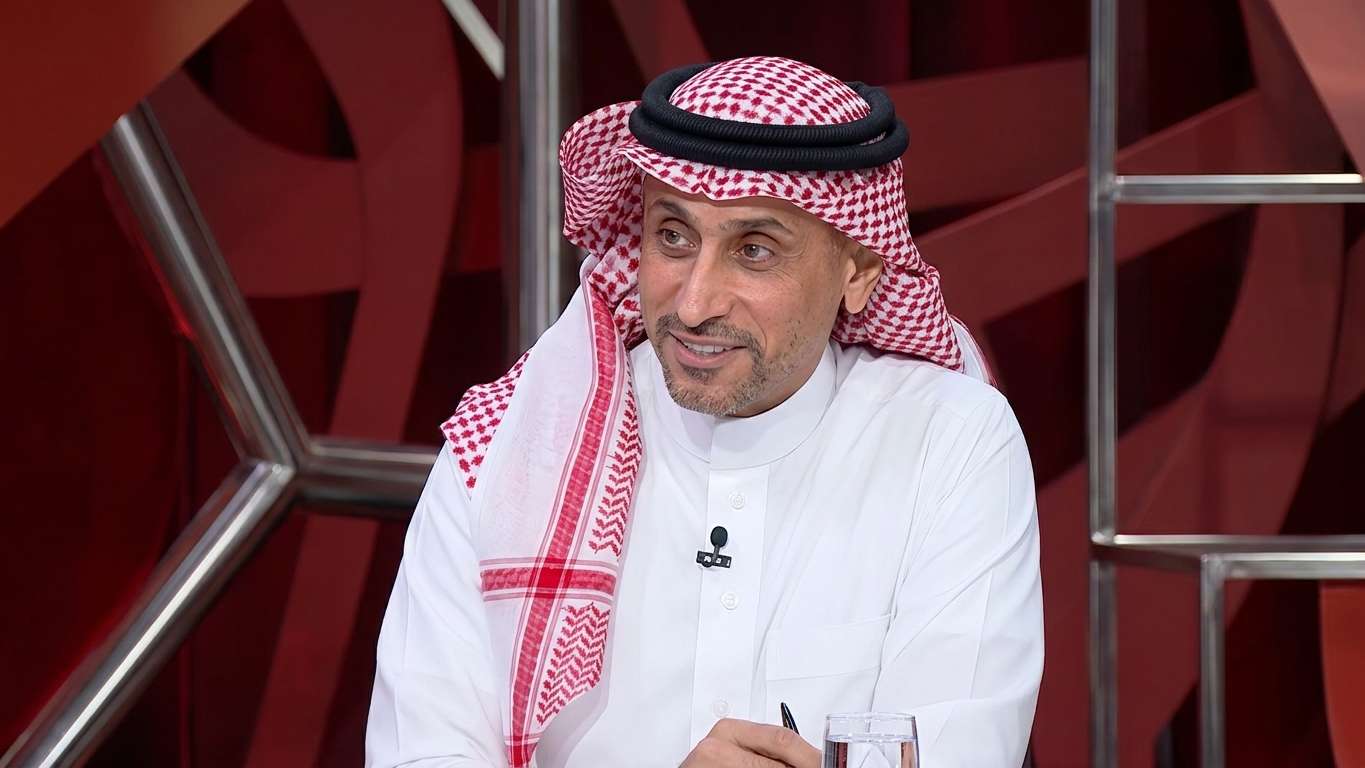
Al-Jaber made the comments during an appearance on the programme Nadeena, reflecting on how the modern football landscape differs from the era in which he played. His remarks have sparked discussion about the quality of Saudi Arabia’s past generation, the changing economics of the transfer market and how today’s players are assessed.
A confident claim from a Saudi football icon
“If I were around at this time, I would certainly have deserved to be in the Premier League,” Al-Jaber said. He added that, if he were a player today, he believed his market value could have reached €100 million.
The claim is bold, but it comes from a player whose career was built on major occasions. Al-Jaber became one of the most recognisable figures in the history of Al-Hilal and the Saudi national team, earning a reputation as a forward capable of delivering goals and influence under pressure.
His confidence also reflects the dramatic rise in football transfer fees over recent years. Player valuations now depend not only on ability, but also on age, contract length, commercial appeal, international profile and the demand for a particular position. A striker with a strong scoring record and a compelling story can attract enormous attention in today’s global market.
How the modern transfer market changes the comparison
Comparing players across different generations is never straightforward. Al-Jaber played in a very different football environment, when transfer fees were generally lower and Saudi players had fewer routes into Europe’s top leagues. Today, clubs operate in a vastly expanded global market, with international scouting networks, extensive performance data and major broadcasting and commercial revenues.
That does not mean a €100 million valuation would automatically follow from a player’s achievements. Modern clubs weigh a wide range of factors, including a player’s age, consistency, tactical versatility and ability to adapt to the pace and physical demands of elite European football. Still, Al-Jaber’s comments raise an interesting question: how might a celebrated Saudi forward from an earlier era have been viewed by today’s scouts?
For supporters, the comparison is less about producing a definitive price tag and more about recognising how much the game has changed. The Premier League has become a global destination, and its clubs regularly recruit from markets that were once overlooked. Saudi football, meanwhile, has gained greater international visibility through investment, high-profile signings and growing attention to its domestic competitions.
Al-Jaber’s legacy with Al-Hilal and Saudi Arabia
Al-Jaber’s standing is rooted in a long career with Al-Hilal and a significant contribution to the national side. He remains closely associated with an era in which Saudi Arabia established itself as a major force in Asian football. His experience at international tournaments helped make him a familiar name to fans well beyond the kingdom.
His career also unfolded during a period when Saudi players had fewer opportunities to test themselves in Europe’s biggest leagues. That makes his Premier League reflection particularly compelling. Rather than simply looking back at what might have happened, his comments highlight the barriers that once limited the movement of players between regions—and how those pathways have since started to change.
Al-Jaber’s remarks arrive as Saudi football continues to attract attention at home and abroad. The domestic game has become more visible, while the national team remains under pressure to produce players capable of sustaining success across major competitions. That combination has made conversations about the country’s football heritage and future talent especially relevant.
National-team concerns add context to the debate
The former striker’s comments also come amid discussion about the depth of talent available to the Saudi national team. Saudi Arabia has enjoyed important successes, including a recent Gulf Cup triumph, but results have not always been consistent. Supporters and analysts continue to examine how the country can develop more players ready to perform at the highest level.
That challenge is not unique to Saudi Arabia. International teams must continually refresh their squads, develop younger players and ensure that promising talent receives regular competitive minutes. A successful generation can set a high standard, but maintaining that level requires investment in coaching, youth development and a strong domestic competition.
Al-Jaber’s career offers a useful point of reference in that discussion. His achievements remind fans of what Saudi players have accomplished, while his hypothetical Premier League valuation invites debate about how today’s football system might reward similar qualities. The answer would depend on far more than reputation, but the conversation underlines the growing global interest in Saudi talent.
What Al-Jaber’s prediction says about football today
Al-Jaber’s €100 million estimate should be understood as a personal prediction rather than a formal assessment by a club or transfer expert. Even so, it captures the scale of change in modern football. Transfer fees have increased, elite leagues reach audiences worldwide, and a player’s commercial influence can contribute significantly to their overall value.
His comments are also a reminder that football history is often judged through the standards of the present. Fans can debate whether a past star would have succeeded in the Premier League, but such comparisons can never account for every difference in coaching, tactics, fitness and competition. What is clear is that Al-Jaber remains confident in the ability that made him one of Saudi Arabia’s most celebrated players.
For Saudi football followers, the discussion brings together nostalgia and ambition: pride in a legendary career, questions about the national team’s current depth, and hope that future generations can make their mark on the world stage. Whether Al-Jaber would have commanded a €100 million fee is impossible to prove. His prediction, however, has renewed attention on his legacy—and on how far the global game has evolved.