
PSG Make Champions League History With Four Goals in 17 Minutes Against Villarreal
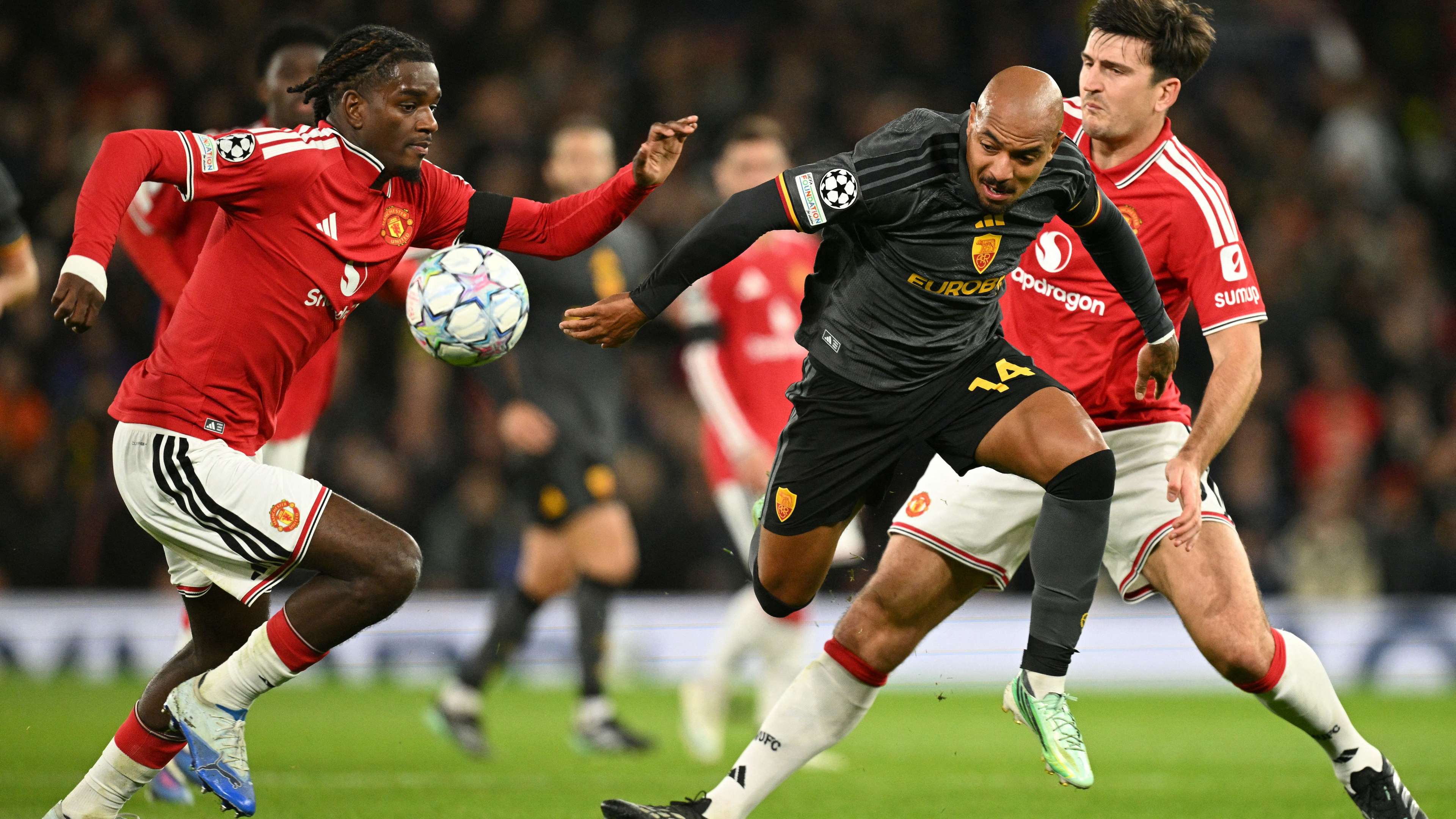
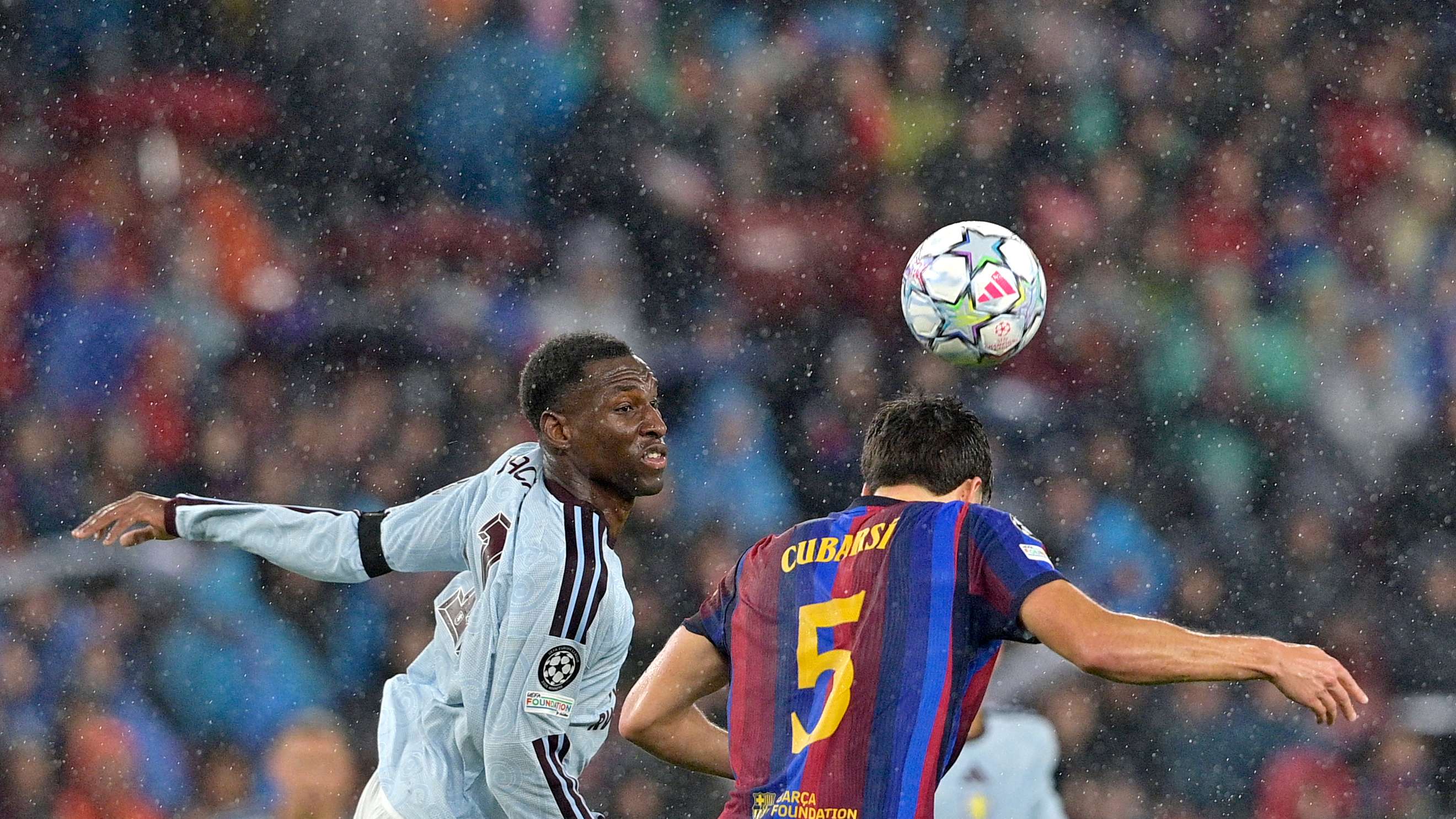
Paris Saint-Germain produced a breathtaking attacking display against Villarreal, scoring four times in just 17 minutes during the fourth round of the UEFA Champions League league phase. The remarkable burst stunned the home crowd and set a new record for the fastest four-goal sequence in the competition’s history.
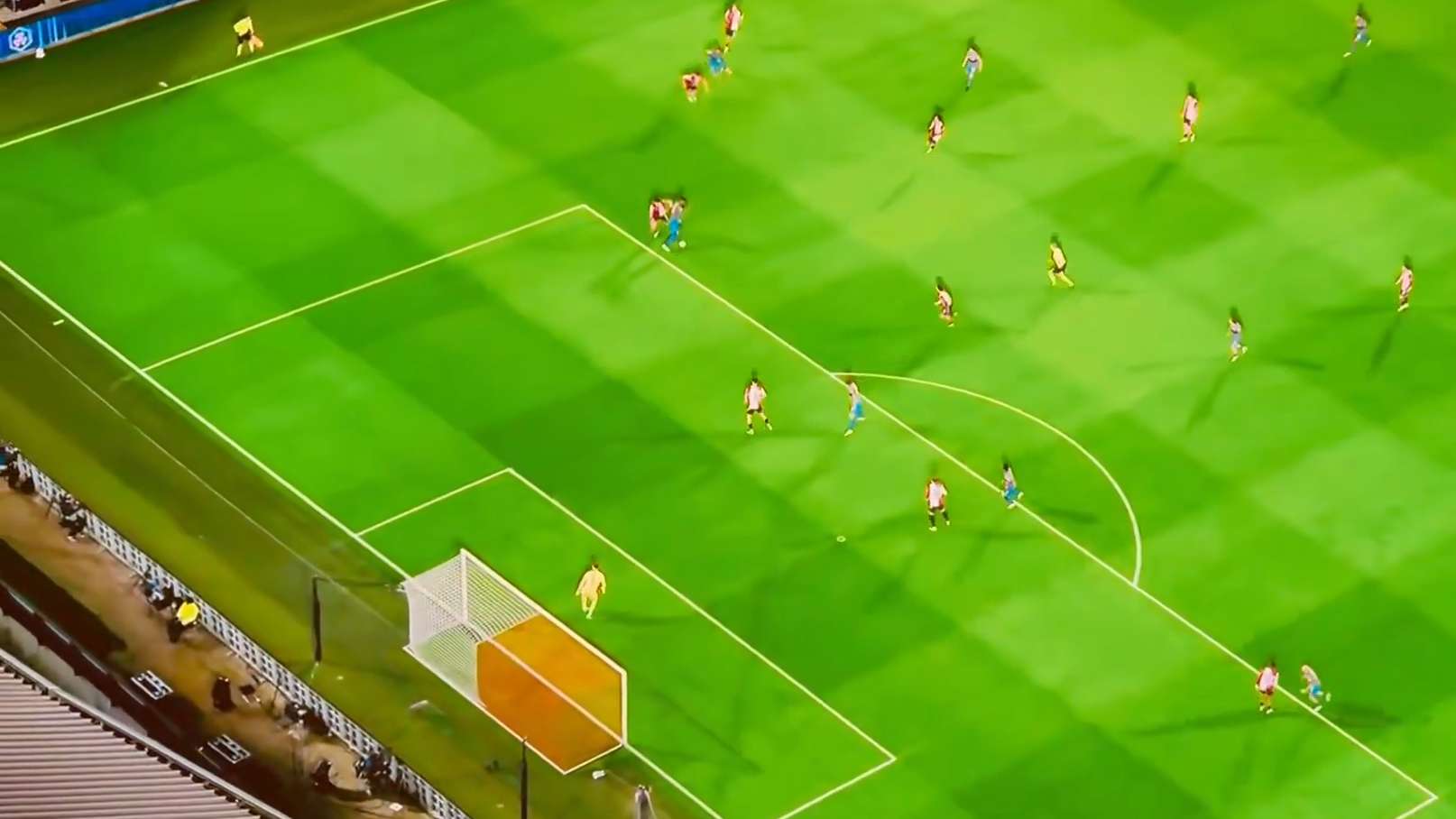
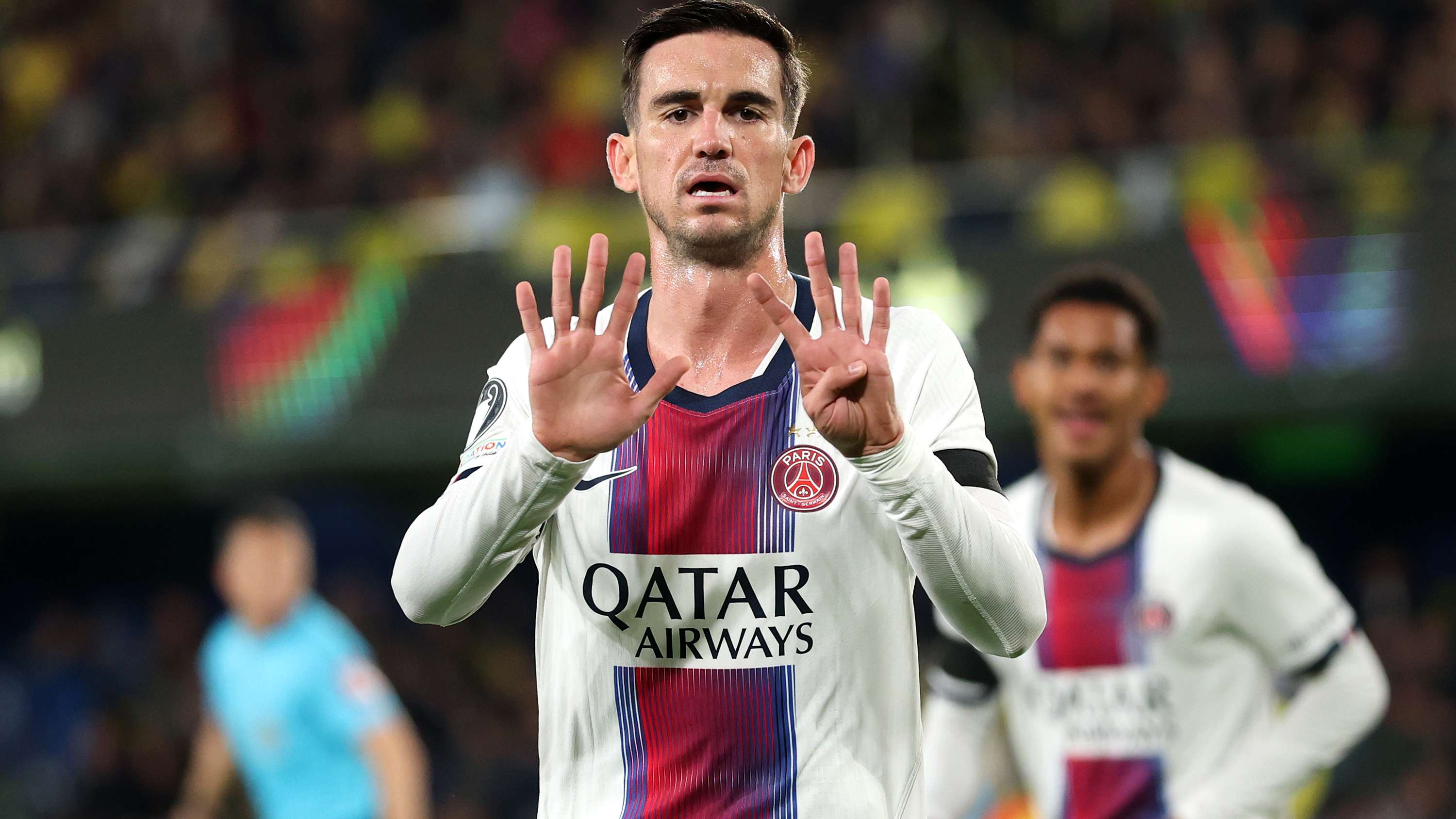
The Parisian side’s ruthless spell began in the ninth minute and was complete by the 17th. João Neves opened the scoring before Désiré Doué, Senny Mayulu and Fabián Ruiz added goals in rapid succession. In a match that had promised a demanding test away from home, PSG turned a brief period of pressure into a historic statement of intent.
Four goals in eight minutes change the match
João Neves set the tone in the ninth minute, giving PSG the breakthrough they needed to settle into the contest. The Portuguese midfielder’s goal was followed almost immediately by a second. Just three minutes later, Désiré Doué found the net to double the visitors’ advantage and put Villarreal under intense pressure.
The hosts had little time to reorganize. A minute after Doué’s strike, Senny Mayulu scored PSG’s third, turning a competitive encounter into a one-sided stretch of football. Fabián Ruiz then completed the extraordinary run in the 17th minute, leaving Villarreal facing a four-goal deficit before the match had reached its opening quarter-hour.
The sequence was notable not only for its speed but also for the number of players involved. Rather than relying on one scorer, PSG’s attack drew contributions from midfield and across the forward line. That variety made the spell especially difficult to contain and highlighted the depth of the club’s attacking options.
A record-breaking Champions League performance
Scoring four goals in any Champions League match is a major achievement. Doing so in such a short interval is far rarer. PSG’s burst established an unprecedented record for the fastest time in which a team had scored four goals in the competition, giving the performance a place in the tournament’s history.
Records of this kind are shaped by more than clinical finishing. They often reflect a combination of accurate passing, quick movement, confident decision-making and an opponent struggling to respond. PSG made the most of each opening, while Villarreal were unable to interrupt the momentum once the first goal had gone in.
The speed of the scoring also changed the tactical picture. Villarreal were forced to consider how to limit further damage, while PSG could attack with greater freedom and confidence. A side that falls behind so quickly must balance the need to push forward with the risk of leaving additional space for the opposition to exploit.
What the result says about PSG’s attacking threat
For PSG, the display offered a powerful reminder of how dangerous the team can be when its attacking players combine at pace. The goals came in a compact burst, but the scoring spread across several contributors. That balance can make a team less predictable: opponents cannot focus solely on one star when midfielders and younger attackers are also capable of decisive moments.
Neves’ opener gave the visitors a platform, while Doué and Mayulu quickly turned the advantage into a commanding lead. Ruiz’s goal then capped the sequence and showed how midfield runners can add another dimension to PSG’s attack. When players arrive in different areas at the right time, defensive lines can be stretched and marking assignments become harder to manage.
For supporters assessing the club’s prospects, the performance will naturally influence Champions League prediction discussions. A four-goal burst does not guarantee success in future rounds, and one match cannot answer every question about consistency or defensive resilience. However, the result demonstrates the team’s capacity to punish mistakes and build momentum quickly—qualities that matter in a competition where matches can change in moments.
Villarreal left with questions after the early collapse
Villarreal’s challenge was made harder by the speed at which the goals arrived. After conceding once, the Spanish side had little opportunity to reset before PSG scored again. The third and fourth strikes followed so quickly that any changes to the hosts’ shape or approach had limited time to take effect.
Such a sequence can be difficult to explain through a single defensive error. A rapid collapse may involve lost possession, gaps between defensive lines, delayed pressure on the ball or opponents exploiting space before players can recover their positions. The details of each goal matter, but the broader lesson is clear: against a team with PSG’s technical quality, even a short lapse in concentration can have severe consequences.
Villarreal will need to review how the game shifted after Neves’ opener, particularly how the team responded to the second goal. The ability to slow an opponent’s momentum is essential in European football. Clear communication, compact defensive spacing and calmer possession can help prevent one setback from becoming a damaging run of goals.
A memorable night in the league phase
The Champions League league phase gives clubs a demanding schedule in which every result can influence their path forward. A dominant performance like PSG’s can provide a significant confidence boost, while a heavy spell of conceding leaves the opposition with important lessons to address before its next European fixture.
For neutral fans, the match will be remembered for its extraordinary opening burst. Four PSG players scored within eight minutes, and the team completed the historic run by the 17th minute. The sequence transformed an away match into one of the most striking attacking displays of the competition’s campaign so far.
Whether PSG can carry this form through the rest of the tournament remains a question for future fixtures. Still, the performance against Villarreal delivered a clear message: when the Paris side finds its rhythm, it can overwhelm an opponent before there is time to recover. That explosive attacking potential will be central to future football analysis and Champions League prediction conversations.