Former Saudi Star Urges Cristiano Ronaldo to Avoid Al-Nassr’s Biggest Matches
Cristiano Ronaldo has received an unexpected piece of advice from former Saudi international Ahmed Attif: play more often against mid-table and lower-ranked teams, but sit out Al-Nassr’s most demanding fixtures against title rivals. The suggestion has sparked debate about how the club should use its captain as it balances domestic ambitions with a crowded football schedule.
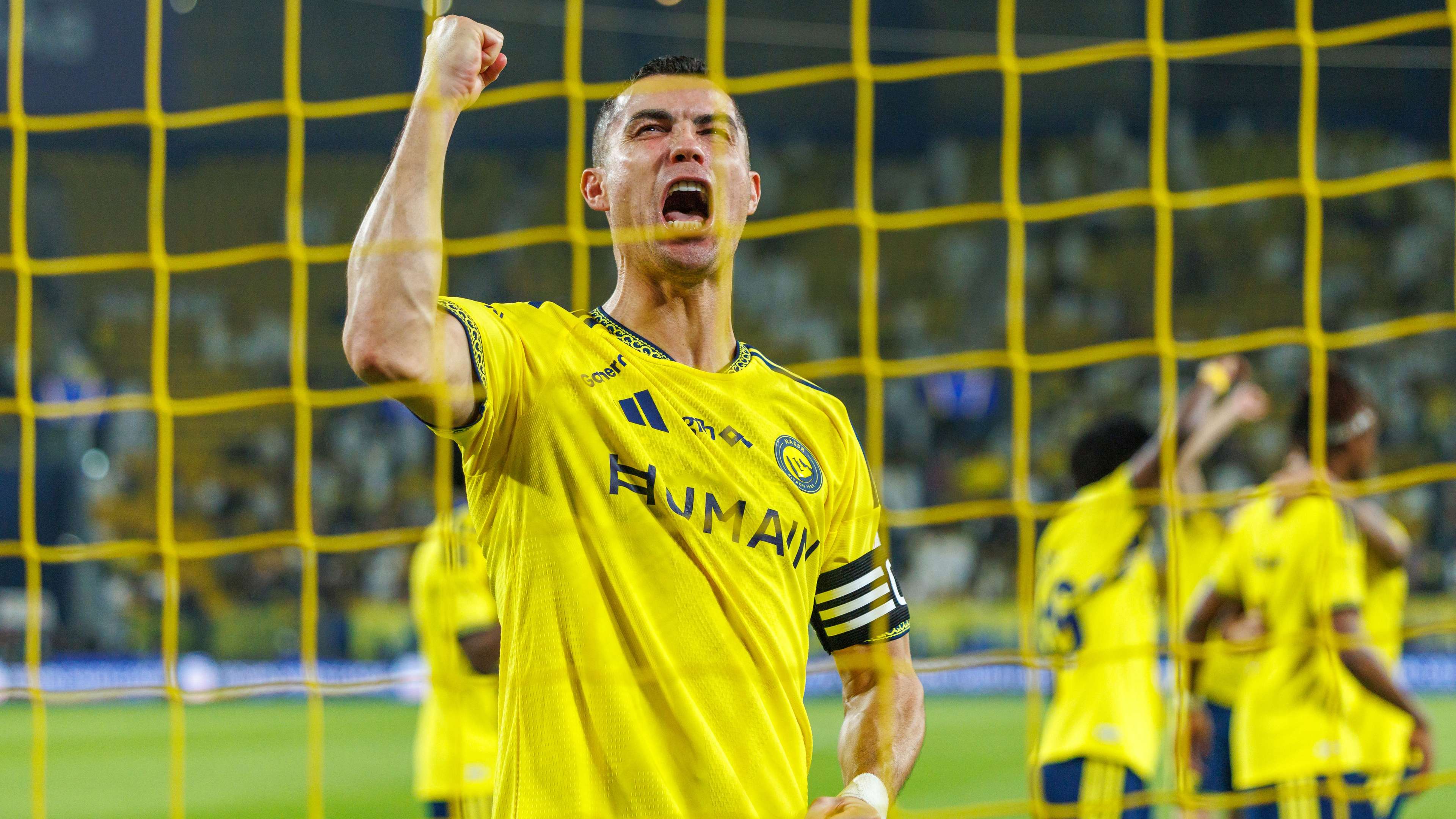
Attif made the comments after Ronaldo delivered a standout performance in Al-Nassr’s 5-3 victory over Al-Khaleej in the 12th round of the Roshn Saudi Pro League. The Portuguese forward scored a hat-trick, once again showing his ability to turn a game with sharp movement, powerful finishing and a commanding presence in attack.
Attif’s Surprising Ronaldo Prediction
Speaking on the programme Doreena Ghair, Attif argued that Ronaldo’s strengths could be used most effectively against clubs outside the title race. He suggested that Al-Nassr should give the 39-year-old more opportunities in matches against teams with fewer resources or lower league positions, where the forward may find greater space to influence the scoreline.
“It is better for Ronaldo to feature in matches such as these against the clubs that are not competing for the title,” Attif said. He added that Ronaldo could be expected to score regularly against teams of Al-Khaleej’s standing, while the picture might change against stronger, more competitive opponents.
Attif’s recommendation went beyond careful rotation. He called on Ronaldo to stay out of major games against the league’s leading clubs and instead focus on fixtures against teams in the middle or lower reaches of the table. That is a striking proposal for a player who remains Al-Nassr’s captain and one of the most recognisable names in world football.
A Hat-Trick That Complicates the Argument
The timing of Attif’s remarks is notable. Ronaldo’s three goals against Al-Khaleej offered a vivid example of the impact he can make when Al-Nassr’s attack is functioning well. His performance helped secure a high-scoring win and added another milestone to a career built on decisive contributions.
Ronaldo has now scored seven goals in the Roshn Pro League, placing him third in the scoring standings at the time of the report. That return underlines his continued value in the domestic competition, although a single match cannot settle the broader question of how he should be managed across a long season.
Attif’s view appears to rest on a distinction between opponents rather than a criticism of Ronaldo’s overall quality. Against lower-ranked sides, Al-Nassr may be able to create more chances and give their forward the service he needs. Against title contenders, matches are often tighter, with less room to operate and greater tactical pressure on every attacker.
Rotation, Fitness and the Demands of a Busy Schedule
There is a practical issue behind the debate. Al-Nassr compete across more than one competition, and their calendar can include domestic league matches as well as continental football. Managing a senior player’s workload can help reduce fatigue and preserve sharpness, particularly during periods when fixtures arrive in quick succession.
Al-Nassr’s upcoming schedule includes an AFC Champions League Elite match against PATA on November 2, 2026, followed by a Saudi Pro League fixture against Al-Kholood on November 5. The short gap between those games illustrates why coaches must consider recovery, travel and tactical preparation when selecting their starting line-up.
However, choosing which matches a captain should play is rarely as simple as sorting opponents by league position. A game against a lower-ranked club can still be difficult if the opposition defends deep, presses aggressively or capitalises on a defensive mistake. Likewise, Ronaldo’s experience and ability to finish chances may be especially valuable in high-pressure contests against direct rivals.
Why Al-Nassr May Still Need Ronaldo Against Top Teams
Big matches can demand more than goals. Ronaldo’s presence can draw defenders, create space for teammates and offer Al-Nassr a reliable target when the side needs to change its approach. His leadership and experience in high-stakes football may also matter when momentum shifts or the match is decided by a small number of moments.
That does not mean he must start every fixture. A carefully planned rotation policy could allow Al-Nassr to keep Ronaldo fresh without automatically ruling him out of clashes with the league’s strongest clubs. Coaches could weigh his recent minutes, physical condition, the opponent’s defensive style and the importance of each competition before making a decision.
There is also a strategic difference between resting a player and deliberately reserving him for supposedly easier games. If a coach rests Ronaldo before a major fixture, the aim would normally be to improve his readiness—not to suggest that he is less capable of influencing the contest. Attif’s comments have nevertheless made that distinction a talking point among Saudi football supporters.
A Debate That Will Continue as the Season Develops
For now, Ronaldo’s hat-trick against Al-Khaleej has strengthened the case for keeping him involved, while Attif’s comments have raised a legitimate question about workload and match planning. Al-Nassr must balance the value of his goals against the physical demands of a season that spans league and continental competition.
The most sensible prediction may be that Ronaldo continues to feature in important matches, with his minutes managed according to fitness and the club’s priorities. Whether he plays every major fixture—or is rested selectively—will depend on the coaching staff’s assessment rather than league position alone.
Attif’s proposal is bold, but it has ensured that attention will turn to Al-Nassr’s selection choices as the schedule intensifies. Ronaldo’s next performances, particularly against stronger opposition, may provide a clearer response than any debate. For a forward who has repeatedly challenged expectations, the question is not simply which teams he should face, but how Al-Nassr can get the greatest impact from their captain throughout the campaign.