
Egypt FA Denies Mohamed Salah Had a Role in Hossam Hassan’s Dismissal
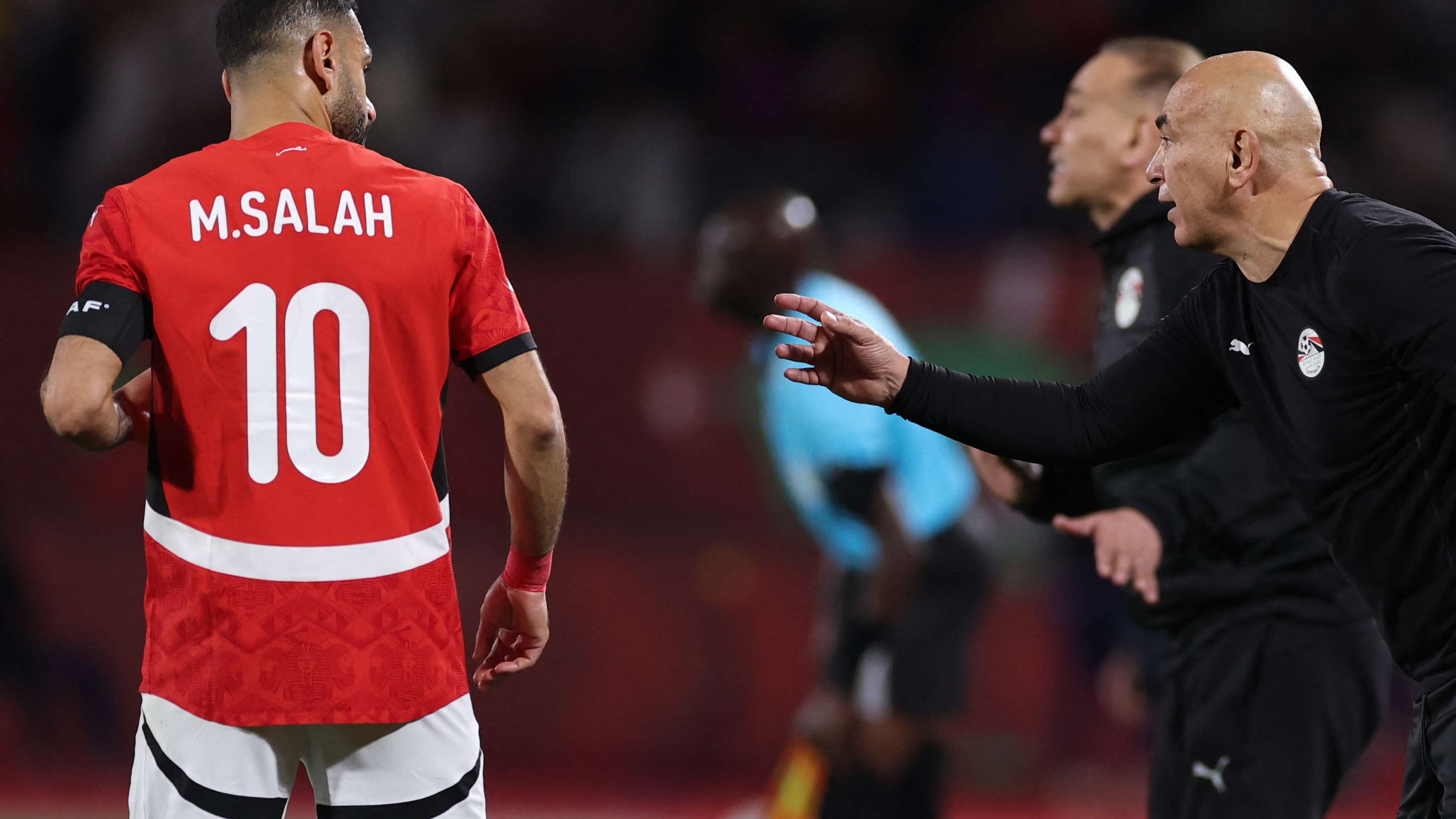
The Egyptian Football Association has rejected claims that captain Mohamed Salah influenced the decision to dismiss national team coach Hossam Hassan. Board member Mustafa Abu Zahra said the move was made by the association’s leadership, stressing that players do not have authority over its technical or administrative decisions.
Speaking on the Egyptian television programme Al-Hekaya on MBC Masr, Abu Zahra said the board acted independently and according to the association’s established principles. His comments aim to address speculation surrounding the change in Egypt’s coaching staff and clarify Salah’s position amid reports of tension following an earlier national-team camp.
Association Says the Decision Belonged to Its Board
Hossam Hassan was dismissed on Saturday, less than two months after the Egyptian FA renewed his contract through 2030. The timing of the decision drew attention, particularly because Hassan had overseen Egypt’s run to the last 16 of the World Cup—a historic achievement for the national side.
Abu Zahra said the board, rather than any player, was responsible for the decision. He emphasized that Egypt’s footballers may offer opinions or communicate concerns through appropriate channels, but they cannot intervene in matters that fall within the association’s jurisdiction.
That distinction is significant in international football, where prominent captains can attract intense scrutiny whenever a coach departs. Salah’s status as one of Egypt’s most influential players means that even unverified accounts of his involvement can quickly become a major talking point. Abu Zahra’s statement was intended to make clear that the association did not base its decision on pressure from the Liverpool forward or any other player.
Abu Zahra Praises Salah’s Leadership and Character
Rather than criticize Salah, Abu Zahra described him as an exceptional captain and one of the most important figures in the history of Egyptian football. He also denied that the forward had created a crisis with Hassan or attempted to shape decisions behind the scenes.
According to Abu Zahra, Salah maintained a respectful relationship with the former coach and had expressed his willingness to support him. The board member said Salah told Hassan, “I am at your service,” a comment he presented as evidence of a cooperative relationship rather than a dispute.
The remarks offer a different perspective from reports that suggested disagreements between the player and the national-team setup. While the association’s account does not resolve every question about the circumstances of Hassan’s departure, it directly challenges claims that Salah was responsible for the coaching change or sought to influence the process.
Turkey Visit Reports Rejected by Egyptian FA Official
Abu Zahra also denied reports that members of the technical staff refused to travel to Turkey with Egyptian FA president Hany Abo Rida. Some accounts had suggested the visit was connected to efforts to reconcile with Salah after a dispute during a previous national-team camp.
Abu Zahra described that version of events as inaccurate. He said Abo Rida travelled to Turkey after receiving an official invitation from his Turkish counterpart. The president’s attendance at a match involving Salah, he added, was a natural gesture given the player’s importance to Egypt and his prominent role in the national team.
The clarification separates the diplomatic visit from the speculation about a possible dispute. It also underlines the challenge facing football administrators when routine meetings or match appearances are interpreted as evidence of internal conflict. In Salah’s case, his international profile ensures that developments involving him often attract attention well beyond Egypt.
Ali Maher Takes Charge Ahead of AFCON Qualifiers
The Egyptian FA has appointed Ali Maher as Hassan’s replacement. Maher, who has coached Ceramica Cleopatra and previously played for Egypt, Al-Ahly and Al-Tersana, now faces the immediate task of preparing the national squad for the upcoming international window.
His first assignment will be Egypt’s two Africa Cup of Nations qualifying matches against Malawi. The fixtures will provide an early test of how quickly the new coach can establish his plans, assess the available players and maintain momentum during a period of transition.
For Egypt, the change creates both a challenge and an opportunity. A new coach may bring fresh ideas and give players a chance to reset, but a short preparation period can make it difficult to introduce significant tactical changes. Maher will need to balance his own approach with the demands of qualification, while also managing expectations around a squad led by high-profile figures such as Salah.
What the Coaching Change Could Mean for Egypt
Any prediction about Egypt’s performance under Maher remains uncertain until the team takes the field. The immediate indicators will be the squad he selects, the balance between experienced internationals and emerging players, and the way Egypt responds during the two matches against Malawi. Results will matter, but so will the team’s organization and its ability to adapt to a new coaching structure.
The FA’s public defense of its decision-making process also suggests that it wants to limit further speculation and keep attention on the football. By insisting that the board acted on its own authority, while praising Salah’s conduct, Abu Zahra has sought to draw a clear line between the captain’s role on the pitch and the association’s responsibility for appointing coaches.
For supporters, the central questions now concern the team’s direction: how Maher will shape Egypt’s style, whether the squad can quickly settle into his plans, and what the coaching change means for the country’s AFCON qualification campaign. The coming fixtures should offer the first practical clues, while also showing whether the transition can be managed without further distractions.