
Noa Lang Faces Criticism After Napoli Supporter Dispute
Napoli winger Noa Lang has come under renewed scrutiny after two incidents involving the club’s travelling supporters, prompting sharp criticism from Dutch football pundits. The debate has focused not only on the player’s conduct after recent matches, but also on the pressure surrounding a high-profile move to one of Italy’s most demanding clubs.
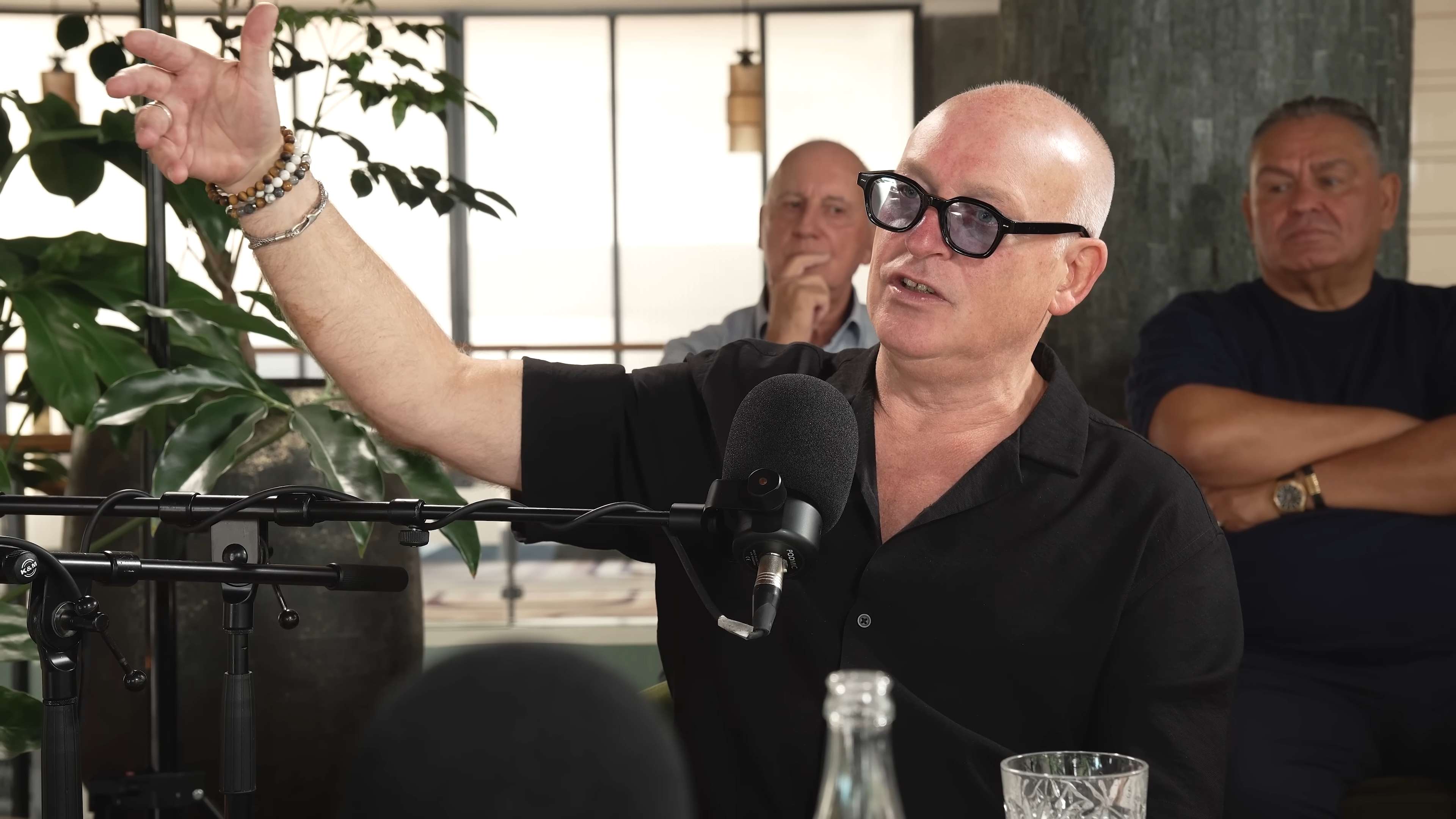
On Monday’s episode of KieftJansenEgmondGijp, former footballers Wim Kieft and René van der Gijp questioned Lang’s judgment and suggested he should be more aware of how his actions are being received. Their comments followed reports that the winger did not acknowledge Napoli fans after a Champions League game against FC Porto, then appeared reluctant to approach the away section after Sunday’s match against Lazio.
What Happened After Napoli’s Matches?
According to reports discussed on the programme, Lang failed to thank the supporters who had travelled to watch Napoli against Porto. A similar moment appeared to unfold after the Lazio fixture, when the winger seemed ready to leave without greeting the away fans. His team-mates reportedly urged him to go over to them.
The post-match scene was not the only source of tension. Lang was also said to have gestured towards Napoli supporters during the game, an action that reportedly drew a hostile response. Fans booed him whenever he touched the ball, turning an already difficult afternoon into a visible stand-off between player and crowd.
Such exchanges can quickly become a major talking point in Italian football, where supporters often expect players to acknowledge their backing regardless of the result. For an away crowd that has paid to travel, even a brief gesture of thanks can carry considerable meaning. When that recognition is absent—or appears to be absent—frustration can build quickly.
Van der Gijp Questions Lang’s Authority
Van der Gijp argued that a player needs considerable standing at a club before confronting or lecturing its supporters. He suggested that only figures with exceptional status could credibly tell a crowd to support the team rather than turn against it.
“I’d do that if my name were Hamsik, Maradona or Pirlo,” Van der Gijp said, referring to celebrated figures associated with Napoli and Italian football. He added that a player of that stature might be able to tell supporters that backing the team would be more productive than hostility.
But he did not believe Lang had earned the same authority. In a joking, sharply worded remark, Van der Gijp said the winger was not currently in a position to address even the groundskeeper, let alone Napoli’s most committed fans. The comment drew laughter in the studio, but its underlying point was serious: a player’s influence with supporters is often built through performances, consistency and a visible connection with the club.
That distinction matters in Naples, where the relationship between the team and its fanbase is famously intense. Napoli supporters have celebrated historic triumphs and endured difficult periods, and they tend to expect players to show commitment both on the pitch and in public moments around the game. A new arrival may need time to establish trust, particularly if results or individual performances are not yet convincing.
Kieft Calls for Greater Self-Awareness
Kieft also criticised Lang’s handling of repeated controversies. “With Noa Lang, it’s never his fault,” he said, arguing that the winger appears to find himself under scrutiny wherever he plays. Kieft suggested that a pattern of disputes should prompt a player to reflect on his own role rather than treat every incident as an isolated misunderstanding.
He went on to describe the value of looking back at a difficult moment with a clear head. A player, Kieft said, may wake up the next morning and realise that a gesture or comment was unhelpful—and that a different response would have been wiser. His remarks framed the issue as one of self-awareness as much as discipline.
That perspective is relevant to any footballer operating under constant media attention. Social media, television footage and post-match interviews can turn a brief exchange into a wider story within minutes. For a player already facing questions about his form or attitude, each additional incident can reinforce an existing narrative, whether or not that narrative captures the full picture.
Performance and Perception Go Hand in Hand
Van der Gijp also made a pointed reference to the importance of output, joking that he had been at the club for two years and scored only twice. The line appeared to underline a familiar football reality: players who are delivering goals, assists or decisive performances may receive more patience from supporters, while those struggling to make an impact can find their conduct judged more harshly.
For Lang, the challenge is therefore twofold. He must contribute consistently on the pitch while also managing the public side of his relationship with Napoli fans. Wingers are often assessed through visible moments—beating a defender, creating a chance, tracking back or losing possession—so a player’s body language can become part of the discussion just as quickly as his statistics.
That does not mean supporters’ reactions are always fair, or that every reported detail tells the complete story. Post-match incidents can be difficult to interpret from a distance, and brief footage may not show what was said or what happened beforehand. Still, the episode highlights how quickly a gap in communication can develop between a player and a fanbase.
What Comes Next for Lang at Napoli?
The immediate focus will be on how Lang responds. A strong run of performances could help shift attention back to his football, while a simple, direct gesture of appreciation after future matches may also help ease tensions. At clubs with passionate support, small signs of respect can carry real weight, especially when results are under pressure.
Napoli will also want the situation to remain a distraction rather than become a defining story of Lang’s time in Italy. The winger’s talent is not the only factor shaping his reputation; consistency, decision-making and communication will all influence how supporters judge him. For now, the criticism from Kieft and Van der Gijp has added another layer to the debate, turning a post-match disagreement into a wider discussion about accountability in modern football.
As the season continues, Lang’s response on and off the pitch will be closely watched. The best prediction is that the tension can still be repaired—but only if performances improve and both sides find a way to move beyond the recent confrontation.