
PSG’s Midfield Masterclass Sparks Debate Over the Greatest Trios in Football
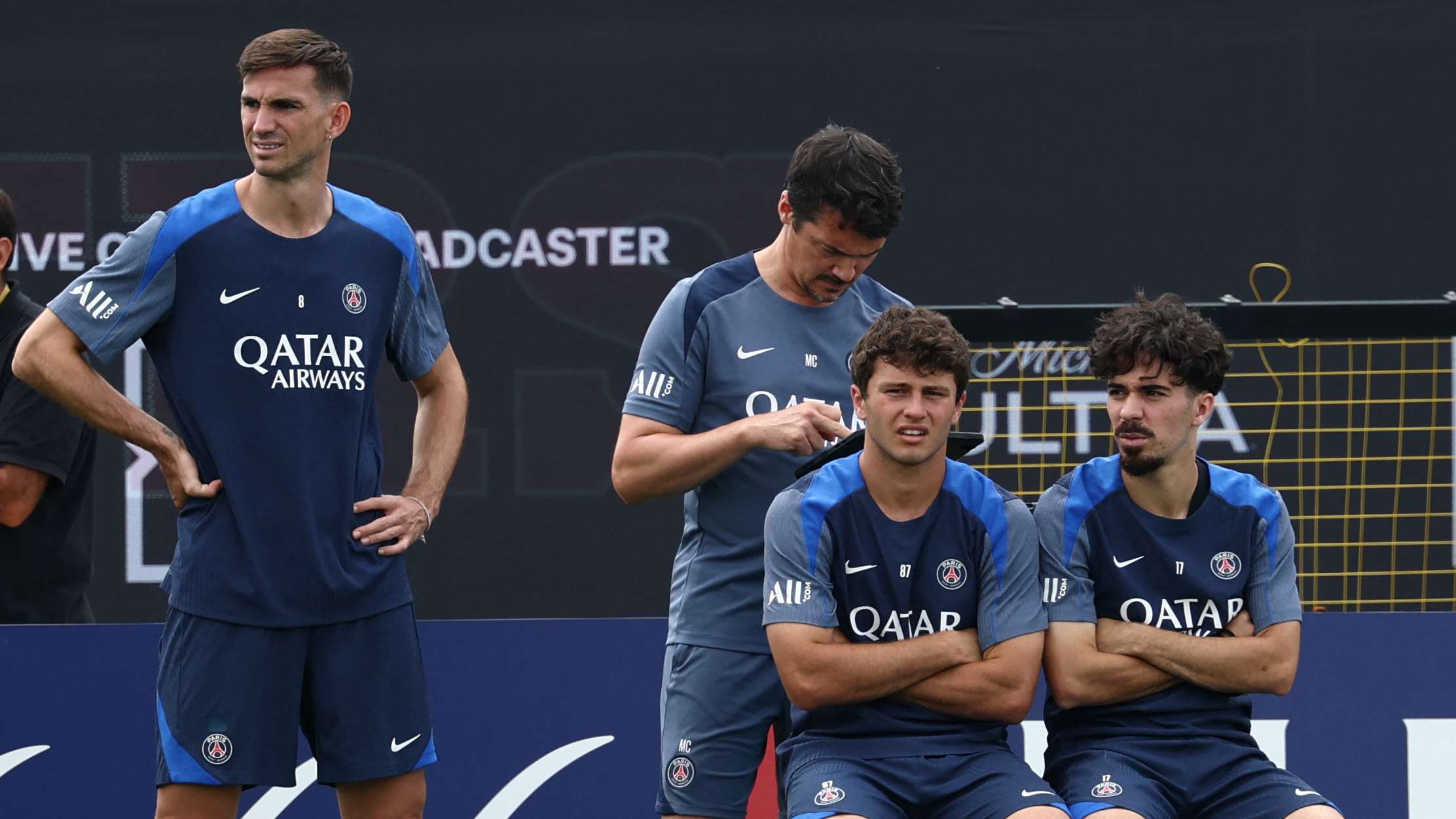
Paris Saint-Germain’s commanding 6-0 Champions League victory over Villarreal was more than a statement result. It was a showcase for the midfield partnership of Vitinha, João Neves and Fabián Ruiz—and a performance that prompted a bigger question among football fans: where does this trio rank among the finest midfields the game has seen?
The three PSG players helped turn a difficult European away fixture into a one-sided contest, combining goals, technical quality and control of the match’s rhythm. Their display was so complete that commentators on France’s RMC radio programme After Foot began comparing the current Paris midfield with celebrated combinations from football history.
Three goals, but an influence that went much further
PSG’s scoreline naturally drew attention to the attacking contribution of its midfielders. João Neves opened the scoring, while Fabián Ruiz struck twice. Together, the trio accounted for three of the six goals—a remarkable return for players whose responsibilities extend well beyond finishing moves.
Their value was just as clear in the phases that did not end with a shot. Vitinha helped set the tempo and connect possession between defence and attack. Neves brought energy, sharp movement and a willingness to press, while Ruiz offered composure and intelligent positioning. Each player contributed something different, but their roles fitted together smoothly.
That balance made PSG difficult to disrupt. When Villarreal tried to press, the Parisians had midfielders capable of finding space and playing through pressure. When the Spanish side dropped deeper, PSG could circulate the ball patiently, shift the point of attack and wait for openings. Villarreal spent long stretches reacting rather than imposing its own plan.
Why PSG’s midfield has become a talking point
Great midfields are rarely defined by one quality alone. Some are remembered for creativity, others for defensive strength or their ability to dictate possession. PSG’s trio showed how those responsibilities can be shared without making the team predictable. They could slow the game down, accelerate it with a forward pass or help launch a coordinated press.
That flexibility is particularly important in the Champions League, where opponents often change their approach during a match. A midfield that can adapt gives a team more than technical control: it offers tactical options. PSG’s players were able to support attacks while also helping keep the structure behind the ball, reducing the space Villarreal could use on transitions.
Their performance also highlighted the value of chemistry. Individual talent can win moments, but an effective midfield depends on players understanding when to move, when to cover and when to take responsibility for progression. Against Villarreal, PSG’s three central players appeared comfortable sharing those tasks, allowing the team to maintain pressure without losing its shape.
Historical comparisons—and the challenge of making them
The discussion on After Foot reflected how quickly an outstanding performance can invite comparisons with legendary teams. Football history is filled with memorable midfield combinations, from technically gifted playmakers to hard-working units that controlled major finals. Any claim that a current trio belongs among the greatest, however, requires more than one exceptional night.
Longevity matters. So do trophies, consistency against elite opposition and the ability to perform when the pressure is highest. PSG’s 6-0 win over Villarreal gave Vitinha, Neves and Ruiz a compelling case for admiration, but their place in the historical conversation will depend on what they achieve over time. Repeating this level across domestic competition and the later stages of Europe’s leading tournament would strengthen the argument considerably.
There is also a difference between a trio that dominates possession and one that determines the outcome of the biggest matches. PSG’s midfield showed the potential to do both, but the most enduring comparisons are usually built over seasons. For now, the Villarreal performance is best viewed as a powerful example of what this group can produce when its qualities align.
What the result means for PSG’s Champions League ambitions
A six-goal victory sends a clear message, but its significance goes beyond the margin. PSG demonstrated that its midfield can drive the attack rather than simply support it. Neves and Ruiz supplied goals, while the group’s control helped create the conditions for the forwards to operate with greater freedom.
That contribution could prove crucial as the competition progresses. In knockout football, teams often face opponents who defend compactly and try to frustrate the favourites. Midfielders who can move the ball quickly, find narrow passing lanes and remain calm under pressure are essential in those situations. PSG’s performance offered encouraging evidence that it has the tools to meet that challenge.
Still, one result does not settle the wider debate. The strongest Champions League sides are tested by different styles, adverse moments and high-pressure away fixtures. PSG will need to show the same discipline and control when the match is less comfortable and the opposition offers fewer openings.
A memorable night, and a prediction to watch
The most reasonable prediction is that PSG’s midfield will remain a central part of the club’s European prospects, provided the trio can maintain its fitness and consistency. Its blend of technique, mobility and tactical awareness gives the team a strong foundation, while the Villarreal match showed that its midfielders can also make a decisive impact in front of goal.
For supporters, the historical comparisons are part of the excitement—but they should be treated as a developing conversation, not a final verdict. Vitinha, João Neves and Fabián Ruiz have delivered a performance worthy of attention. Whether they become one of football’s truly great midfields will depend on the trophies, defining matches and sustained excellence still ahead.