
Real Madrid’s 3-0 Win Overshadowed by Refereeing Controversy
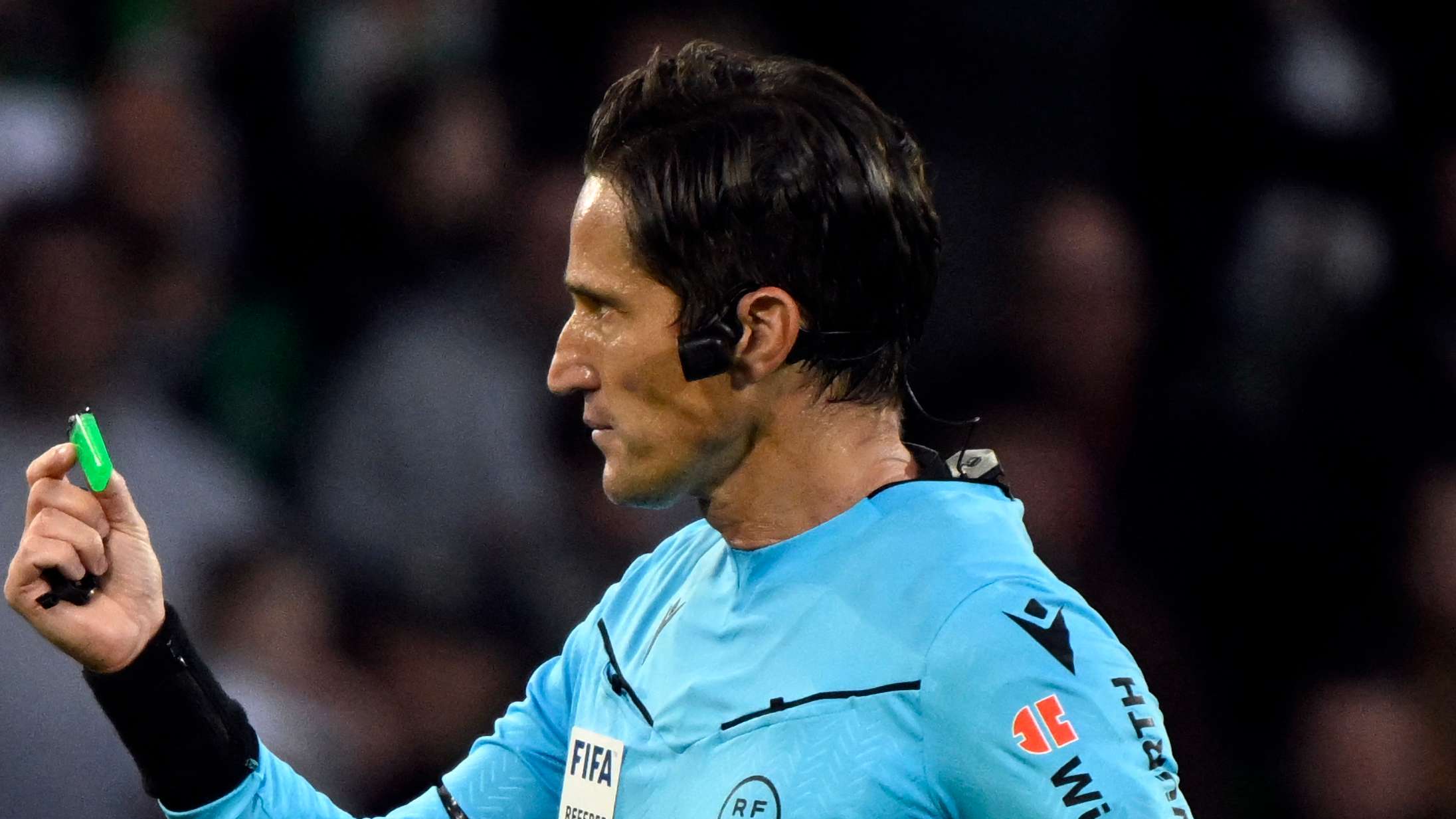
Real Madrid left Santander with a convincing 3-0 victory over Racing Santander on matchday 11 of La Liga, but the scoreline was not the only talking point. Referee Munuera Montero’s performance drew fierce criticism after the final whistle, with several decisions—and apparent inconsistencies—raising questions about the standard of officiating in a high-profile football fixture.
Archivo VAR, a website that reviews disputed refereeing calls, gave the official a striking score of just 1.5 out of 10. The outlet described his display as a “refereeing collapse” and judged it to be his poorest performance of the season by a considerable margin. While Real Madrid’s result was emphatic, the assessment suggests the match was far more contentious than the scoreline alone indicates.
Archivo VAR Delivers a Damning Assessment
According to Archivo VAR, Munuera Montero struggled not only with complex penalty-area incidents but also with straightforward decisions. The criticism centred on a pattern of errors rather than one isolated call: some challenges were allegedly overlooked, while other interventions appeared difficult to justify.
Disciplinary decisions were also singled out. The report said the referee failed to show yellow cards for clear offences, yet booked players in situations where a caution was not warranted. That kind of inconsistency can quickly frustrate both teams, particularly when players are unsure where the threshold for a foul or booking lies.
Refereeing assessments are, of course, open to interpretation. Contact in the penalty area can be difficult to judge at full speed, and officials must distinguish between ordinary physical play and an offence that merits a penalty. Still, when several decisions become the focus of post-match scrutiny, they can shape the conversation around a game even when the winning side has built a comfortable margin.
Mbappé Penalty Appeal Becomes a Major Talking Point
One of the most debated moments involved Kylian Mbappé. The Real Madrid forward went down inside the box after what was described as slight contact from Brati around his stomach. The incident prompted questions over whether the contact was enough to constitute a foul and whether the video assistant referee should have recommended a review.
Archivo VAR argued that the situation called for VAR intervention, but assistant video referee Mía Alvíndez did not ask Munuera Montero to review the footage. That decision became a central part of the criticism, with the outlet accusing the video official of failing to fulfil his responsibility.
For supporters, the episode highlights the fine line VAR must navigate. Video review is intended to correct clear and obvious errors, not to re-referee every physical contest. The key issue is therefore not simply whether Mbappé fell, but whether the available footage showed contact that clearly affected his movement and met the threshold for a penalty. Without a review, however, the on-field decision remained in place, leaving the appeal unresolved.
Tchouaméni Handball Review Raises Further Questions
A separate incident involving Aurélien Tchouaméni added to the debate. In the second half, Munuera Montero was called to the pitchside monitor to examine a possible handball. After watching the footage, he decided not to award a foul.
That decision was notable partly because the broadcast images reportedly did not clearly establish who touched the ball first: Tchouaméni or his opponent. When camera angles fail to provide a conclusive sequence, officials must weigh the evidence available rather than assume that a particular player committed an offence. The lack of visual clarity may help explain why the referee did not give a penalty, even as the review itself drew attention to the incident.
The contrast between the two major appeals also fuelled criticism. In the Mbappé incident, VAR did not send the referee to the monitor; in the Tchouaméni situation, the referee was asked to review the footage but ultimately stayed with a no-foul decision. For viewers, that difference can make the process appear inconsistent, even when the incidents involve separate facts and different assessments.
Mantilla Challenge Was the Notable Exception
Archivo VAR identified one decision it considered correct: Munuera Montero’s choice not to penalise a slight stamp by Mantilla on Yan Diomande. The contact was described as minimal, and the referee’s decision to let play continue was treated as the clearest example of sound judgment in an otherwise heavily criticised display.
That exception matters because it shows the review was not simply a blanket rejection of every call made during the match. Instead, the outlet’s assessment focused on what it viewed as a wider failure to apply consistent standards across incidents involving challenges, penalty appeals and discipline.
What the Controversy Means for Real Madrid and La Liga
Real Madrid’s 3-0 victory remains the defining result, strengthening the club’s position in the La Liga campaign. Yet the refereeing discussion is likely to continue, particularly because the disputed moments involved prominent players and potential penalty decisions. For Racing Santander, such calls can also become a source of frustration when a match is played against a leading opponent and every major decision attracts close attention.
For fans searching for a football prediction ahead of the teams’ next fixtures, this match offers a reminder that form and scorelines do not tell the whole story. Real Madrid’s attacking quality and ability to secure a three-goal win remain significant indicators, but future predictions should also consider squad availability, tactical matchups and the demands of a busy schedule. Refereeing controversies may influence the post-match narrative, but they should not replace analysis of performance and results.
The wider issue is the trust supporters place in VAR. Technology can provide additional angles and slow-motion replays, but it cannot remove every disagreement—especially when footage is inconclusive or the rules require an interpretation of contact and intent. Clear communication about why a review is or is not conducted could help audiences understand those decisions and reduce the impression of inconsistency.
A Convincing Scoreline, a Complicated Aftermath
Real Madrid secured the points with a 3-0 win, but Munuera Montero’s display became a major part of the match’s legacy. Archivo VAR’s 1.5-out-of-10 rating, its criticism of the Mbappé penalty appeal and the debate surrounding Tchouaméni’s handball review have ensured that the game will be remembered for more than its goals.
Ultimately, the result was clear, while the refereeing remains disputed. As La Liga continues, attention will turn to whether officials and VAR teams can deliver greater consistency in similar situations—and whether the next round of football action produces a more straightforward story on and off the pitch.