
Lennart Karl’s Bayern Munich Debate Raises Questions About Pressure, Patience and Player Representation
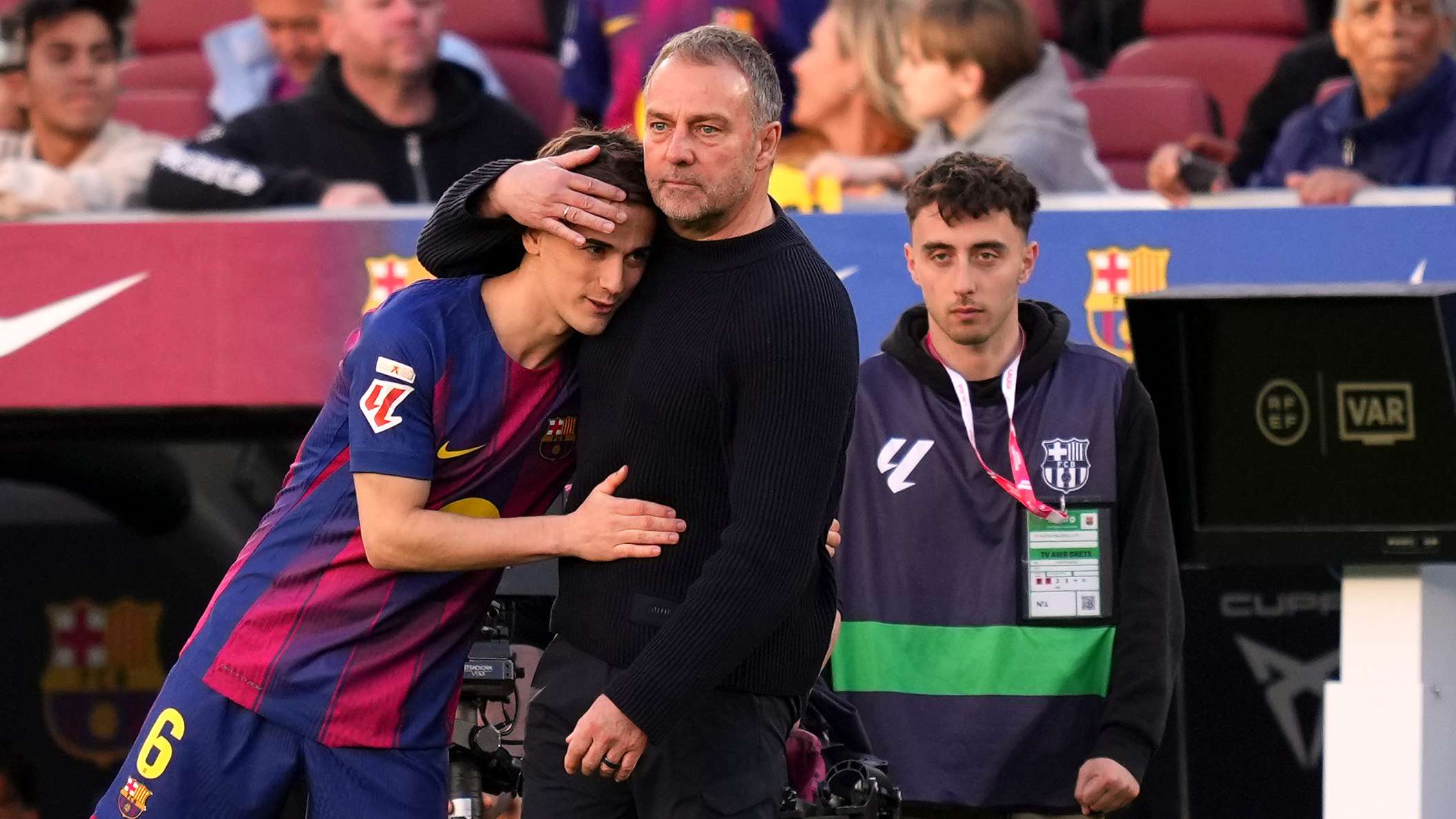
Lennart Karl has become one of the most discussed young players in German football, but the conversation around Bayern Munich’s teenage talent is increasingly focused on controversy rather than his development on the pitch. Public criticism from senior club figures, a forceful response from his adviser Michael Ballack and Karl’s own fluctuating form have combined to create a debate that extends well beyond one player’s performances.
The central issue is not whether Karl should be scrutinised. Any footballer at Bayern Munich faces intense expectations, and a high-profile young player will naturally attract attention. The more difficult question is how that scrutiny is handled—and whether Ballack can credibly serve as both Karl’s representative and a television pundit expected to provide independent analysis.
From Bayern breakthrough to a demanding second season
In autumn 2025, Karl’s emergence felt like a football fairytale. Then 17 and around 1.68 metres tall, he broke into Bayern’s first team with the confidence and creativity of a player who seemed entirely at home on the biggest stage. His close control, daring dribbling and eye-catching goals made him a rare success story from the club’s youth system.
That early momentum has since been interrupted. Injury problems during the spring kept Karl out of the summer’s World Cup, and he has found it difficult to reproduce his best form consistently since the start of the season. His return of three goal contributions in 12 appearances is modest by the standards surrounding Bayern’s attacking players, although recent displays have offered some encouragement.
Those numbers need context. Karl is still a teenager adjusting to senior football, where opponents are stronger, space is harder to find and every performance is assessed under a microscope. Form can fluctuate sharply at this stage of a career. A dip does not automatically signal a deeper problem, nor should a promising young player be expected to deliver at the same level every week.
Even so, the discussion around Karl has become unusually charged. It reached another peak on the day of Bayern’s 2-2 draw with Borussia Dortmund, a match in which the young attacker had a late opportunity to become the decisive figure.
Why criticism from Bayern’s leadership matters
Karl’s personality has helped make him a headline-maker. Earlier in the year, he identified Real Madrid as his favourite club. His expressive celebrations, elaborate step-overs, distinctive fashion choices and visible social-media presence have also made him a polarising figure. His relationship with influencer Zoe Käppele has added to the public interest surrounding his life away from football.
There is nothing inherently wrong with a young player expressing himself. But visibility cuts both ways: when performances dip, a confident public image can attract sharper criticism. Supporters may interpret the same traits as charm or showmanship, while others see them as distractions. That divide is part of modern football culture, where players are judged not only by goals and assists but also by the image they project online.
The more troubling element has been the tone and timing of comments from Bayern’s own leadership. Honorary president Uli Hoeneß publicly called for Karl to show more “humility” and face greater “pressure,” while also announcing that a serious conversation with the player was needed. If a private discussion is necessary, it is fair to ask why it had to be previewed publicly. An internal conversation could address concerns without turning a teenager into the centre of a public reprimand.
Sporting director Max Eberl also described Karl as being in a sporting “slump” and referred to “one or two missteps,” despite the player having shown signs of improvement against SC Freiburg and 1. FC Magdeburg. Eberl had previously defended Karl, making the shift in tone particularly noticeable. Public accountability has a place at an elite club, but vague criticism can create more noise than clarity—especially when the supposed mistakes have not been clearly identified as serious misconduct.
Ballack’s response highlights a conflict of interest
Ballack was entitled to defend his client. As Karl’s adviser, he has a responsibility to represent the player’s interests and challenge comments he considers unfair. His response to Hoeneß and Eberl was understandable on that basis.
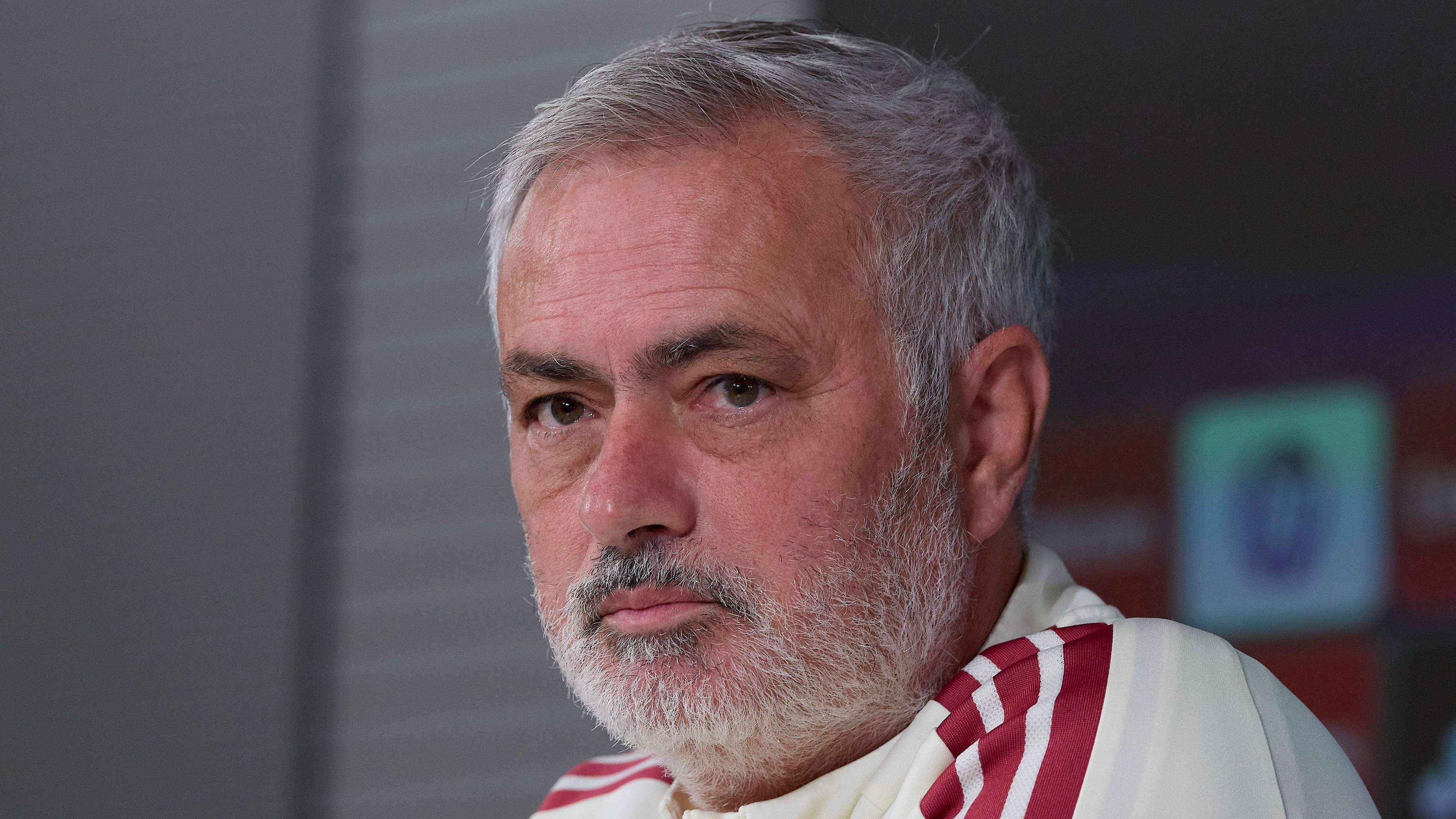
The difficulty is that Ballack delivered his defence in his other professional role: as a DAZN television pundit. Audiences expect a broadcaster’s analyst to assess events with independence, even when discussing powerful clubs, players or executives. An agent, by contrast, is expected to advocate for a client. Those responsibilities pull in opposite directions.
The overlap is especially sensitive because the debate involves not only Bayern’s management but also Karl’s teammates, who may compete with him for minutes. A pundit’s comments can influence how viewers understand a dispute; an agent’s comments can shape the public image of a client. When one person performs both jobs, it becomes difficult for audiences to know which role is guiding the analysis.
Eberl made that tension clear when asked about Ballack’s remarks. He questioned whether Ballack had spoken as a DAZN pundit or as Karl’s agent, a pointed response that captured the problem in a single question. That does not make Eberl’s earlier criticism of Karl necessary or constructive. It does, however, show how Ballack’s dual role can distract from the original issue and provide Bayern’s officials with an easy way to deflect scrutiny.
For Ballack, the practical choice appears straightforward: continue as a television pundit or focus on representing Karl. Maintaining both roles risks weakening the credibility of his broadcast work and complicating his client’s relationship with the club. Clear boundaries would benefit viewers, Bayern and Karl himself.
Karl’s best response will come on the pitch
Karl did not publicly add to the argument after the Dortmund match. On the field, he had a chance to settle the discussion in dramatic fashion. Introduced as a substitute, he struck late in stoppage time, but his effort hit the crossbar rather than becoming a winning goal. It was a painful near-miss, but also a reminder that football’s defining moments can turn on inches.
Bayern’s injury situation could create further opportunities for Karl in the coming weeks. That gives him a chance to rebuild rhythm, contribute to the team and shift attention back toward his football. The most useful prediction is not that one late miss will define his season, but that his next stretch of appearances will offer a clearer measure of how he is responding to the pressure.
For Bayern, the challenge is to balance high standards with responsible support. Karl should be accountable for his performances, but he also needs a stable environment in which development is not confused with instant perfection. For Ballack, professional clarity is essential. And for observers of German football, the episode is a reminder that managing a young star’s public image can become almost as demanding as managing his minutes on the pitch.