
Al-Hilal’s Early Substitution Mystery Adds Drama to AFC Champions League Elite Clash
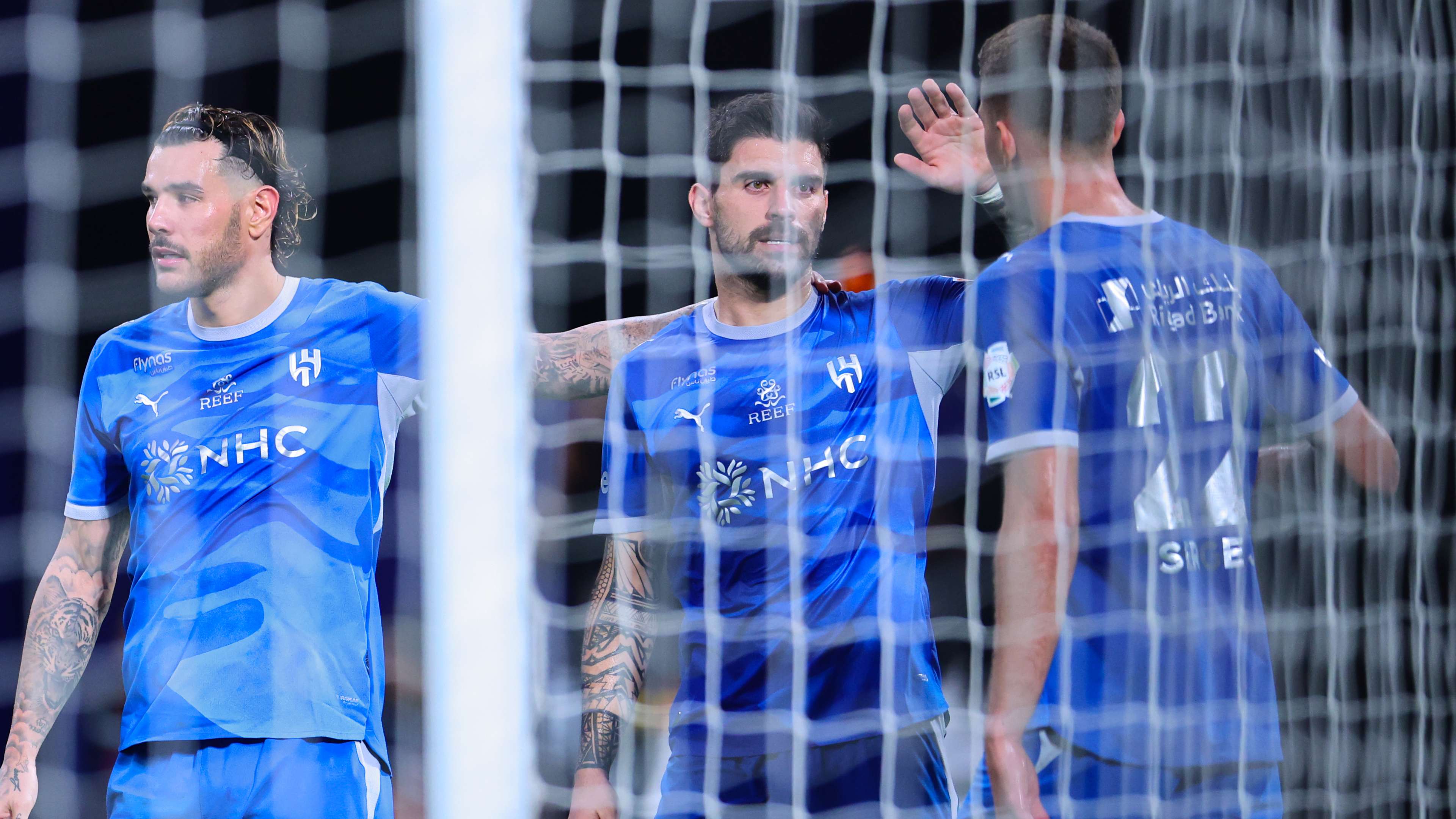
Al-Hilal’s AFC Champions League Elite meeting with Shabab Al-Ahli took an unexpected turn in Riyadh, as head coach Simone Inzaghi made two substitutions before the match had reached the 35-minute mark. The unusual changes interrupted the Saudi side’s promising start and raised questions about what was happening on the touchline.
The league-phase fixture, played at Kingdom Arena on Tuesday, was the fourth round of the competition. Al-Hilal began with attacking intent and quickly took control of the scoreboard, but the early personnel changes gave the contest an additional layer of intrigue. One appeared tactical, while the other was prompted by an injury.
Inzaghi makes an early change without an obvious injury
Al-Hilal’s first substitution came in the 28th minute. Right-back Mohamed Mahzari entered the game in place of Sabri Dahl, who had not appeared to suffer an injury or show clear signs of physical discomfort. The decision therefore stood out, particularly so early in a high-profile continental match.
Early substitutions can be made for several reasons, including tactical adjustments, concerns about a player’s fitness that are not immediately visible, or a coach’s reaction to the way an opponent is exploiting space. In this case, the reason for Dahl’s withdrawal was not immediately clear. Inzaghi may have wanted a different profile at right-back or sought to address a developing matchup on the flank, but the change inevitably prompted speculation.
For supporters following the match, the timing was notable. Coaches generally prefer to preserve substitutions for later stages, when fatigue, injuries and game state can have a greater impact. Using one before the half-hour mark can reduce a team’s flexibility for the remainder of the contest, making the decision especially striking.
Boabre injury forces Al-Hilal’s second substitution
Six minutes later, Al-Hilal had to make another change. Simon Boabre was carrying the ball forward through midfield when he pulled up with an apparent injury. The incident left Inzaghi with little choice but to bring him off, with Nasser Al-Dawsari sent on as his replacement.
Unlike the first switch, the second substitution appeared to be a straightforward response to a fitness problem. Boabre’s injury came during a forward surge, disrupting a move and forcing Al-Hilal to reorganize before the match had settled into a predictable rhythm. The club had not immediately provided further details about the nature or severity of the issue.
Two changes inside such a short period can affect a team’s structure, even when the incoming players are capable replacements. Al-Dawsari’s introduction required Al-Hilal to adjust in midfield, while Mahzari’s earlier arrival had already altered the defensive setup. Inzaghi was therefore managing both the tactical demands of the match and the practical challenge of keeping his players fit.
Watkins gives the hosts a fast start
Despite the disruption, Al-Hilal had begun the evening in impressive fashion. English striker Ollie Watkins opened the scoring after only six minutes, giving the hosts an early advantage and energizing the crowd at Kingdom Arena. His quick finish provided the ideal start for a side seeking to build momentum in the league phase.
An early goal can change the shape of a football match. It may encourage the team in front to control possession and choose its moments to attack, while forcing the opposition to take greater risks in search of an equalizer. For Shabab Al-Ahli, conceding so quickly meant the UAE side had to respond under pressure. For Al-Hilal, the challenge was to maintain concentration as the unexpected substitutions began to reshape the team.
Watkins’ opener also underlined the attacking threat available to Al-Hilal. The club’s ability to score early can be a major advantage in a demanding continental campaign, particularly when matches are played at home. However, a fast start does not guarantee a comfortable evening: injuries, tactical changes and the opponent’s response can all shift the balance.
What the changes could mean for Al-Hilal
The main talking point was not simply that Inzaghi made two early substitutions, but that the changes had different apparent causes. Dahl’s withdrawal was unexplained at the time, while Boabre’s exit followed a visible injury concern. That distinction matters when assessing the coach’s choices and the potential impact on Al-Hilal’s plans.
If Dahl’s substitution was tactical, it may have reflected Inzaghi’s desire to correct a weakness before Shabab Al-Ahli could exploit it. Coaches often act early when they believe a particular matchup is threatening their defensive shape. If the change was related to an undisclosed fitness concern, however, the decision may have been precautionary rather than strategic.
Boabre’s condition could also have implications beyond the match. Al-Hilal’s schedule includes domestic football as well as continental competition, and maintaining squad depth is essential during a busy run of fixtures. The club was due to face Al-Sadn on November 7 in the Saudi Pro League, followed by Al-Ain on the same date in the UAE’s ADNOC Pro League schedule. The proximity of those listed fixtures highlights the demands placed on players and the importance of careful workload management.
Prediction: Al-Hilal’s response will be key
Any football prediction based on the opening minutes must account for both Al-Hilal’s attacking start and the uncertainty created by the early changes. Watkins’ goal gave the hosts a strong platform, but the substitutions could influence their balance, midfield control and options from the bench as the match progressed.
Al-Hilal’s experience and home advantage made them a formidable opponent, while Shabab Al-Ahli had the incentive to capitalize on any disruption. The decisive factor was likely to be how quickly both sides adapted: Al-Hilal needed to preserve the intensity of its opening spell, and the visitors needed to turn their response into sustained pressure.
For Inzaghi, the early sequence became a test of flexibility as much as tactics. His first change raised questions, the second was forced by injury, and both required the team to adjust before the match had reached its midpoint. With Watkins already on the scoresheet, Al-Hilal had reason for confidence—but the night’s unusual opening showed how quickly plans can change in elite football.