
Saudi Arabia Name 30-Man Squad for Doha Camp and November Friendlies
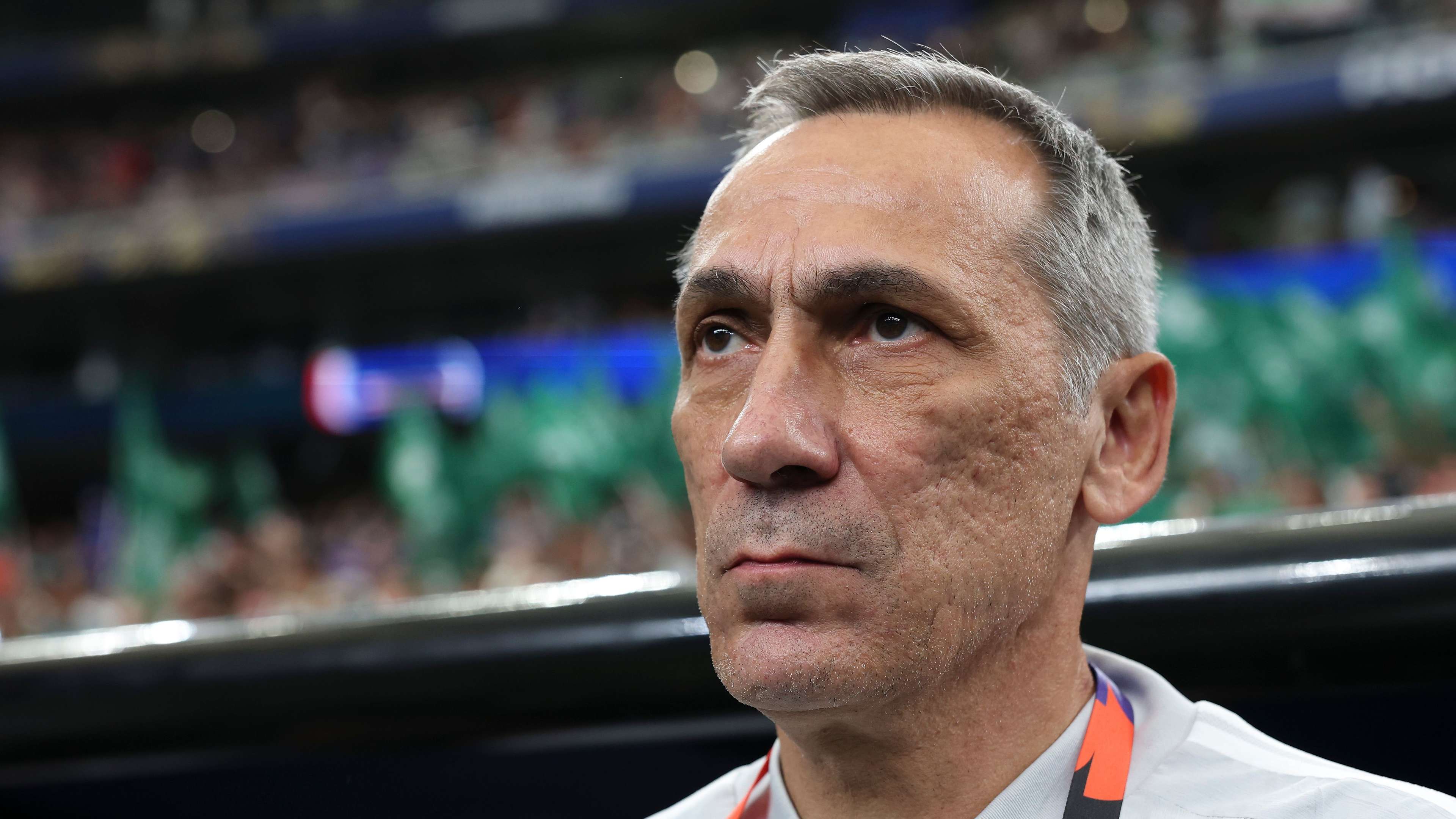
Saudi Arabia will use a November training camp in Doha to sharpen their preparations for the next stage of international football, with head coach Georgios Donis naming a 30-player squad for the gathering. The programme includes friendly matches against South Korea and Uzbekistan, offering the Green Falcons valuable tests against strong Asian opposition.
The camp is scheduled to run from 9 to 17 November 2026, although the squad is due to report on 8 November. The Saudi national team announced Donis’s selections on its official X account on Wednesday. The fixtures remain part of the team’s preparation plans despite the postponement of the 2027 AFC Asian Cup.
Saudi Arabia’s November 2026 Squad
Donis has selected a group that combines established internationals with younger players seeking to strengthen their claims for regular national-team football. The squad covers every position and gives the coach a chance to assess depth across the pitch during a compact international window.
Goalkeepers
Mohammed Al-Owais, Hamed Yousef and Abdulquddus Atiah.
Defenders
Abdulelah Al-Amri, Sultan Tankar, Abdullah Al-Khaibari, Hassan Al-Tambakti, Ali Lajami, Nawaf Boushal, Mohammed Mahrzi, Saud Abdulhamid, Mohammed Abu Al-Shamat, Mutaib Al-Harbi and Faris Abidi.
Midfielders
Musab Al-Juwayr, Mukhtar Ali, Mohammed Kanno, Ziyad Al-Johani, Abdullah Al-Khaibari, Nasser Al-Dawsari, Abdulmalik Al-Asiri, Ahmed Al-Ghamdi and Turki Al-Ammar.
Forwards
Sultan Mandash, Mohammed Al-Qahtani, Marwan Al-Sahafi, Mohammed Al-Kuwaykibi, Abdullah Al-Hamdan, Firas Al-Buraikan and Abdullah Al-Salem.
The published list places Abdullah Al-Khaibari in both the defensive and midfield groups, underlining the value of players who can offer tactical flexibility. Such versatility can be especially useful in friendlies, when coaches often rotate their line-ups and experiment with different formations.
South Korea and Uzbekistan Provide Tough Tests
Saudi Arabia’s first match in Doha is against South Korea on Friday, 13 November. The Green Falcons will then meet Uzbekistan on Tuesday, 17 November, bringing the camp to a close. Both opponents are familiar rivals in Asian football and should provide a meaningful measure of Saudi Arabia’s progress.
South Korea are renowned for their pace, pressing and technical quality, making the opening friendly a demanding test of Saudi Arabia’s defensive organisation and ability to play through pressure. Uzbekistan, meanwhile, have developed into a competitive side with a strong blend of physical presence and attacking ambition. Facing two different styles in quick succession should help Donis evaluate how his players adapt to changing match conditions.
For supporters looking ahead to the fixtures, any football prediction should be treated cautiously. International friendlies are often shaped by substitutions, fitness management and tactical trials rather than the need to field a settled starting eleven for the full match. The results will matter, but the performances, combinations and individual contributions may be just as important to the coaching staff.
Asian Cup Postponement Changes the Calendar
The 2027 Asian Cup was originally expected to take place early next year, but the tournament has been rescheduled for 23 December 2027 to 21 January 2028. The change gives teams a different preparation timeline and means national coaches must adjust their longer-term planning around the revised dates.
Saudi Arabia has nevertheless kept its November camp and friendly schedule in place. Maintaining the programme allows Donis to continue assessing the player pool, build cohesion and give emerging talents opportunities to impress. It also gives the team competitive minutes against high-level opposition at a time when the international calendar is being reshaped.
The revised Asian Cup dates may influence how teams manage workloads and schedule future camps, but the Doha gathering provides a useful opportunity to make progress without waiting for the tournament’s new build-up period. For Saudi Arabia, the immediate focus is on using the available time effectively and ensuring the squad remains prepared for upcoming international commitments.
Competition for Places and Tactical Options
A 30-man selection offers Donis room to assess several combinations, particularly in midfield and attack. Experienced players can provide stability, while younger squad members have a chance to demonstrate that they can handle the pace and pressure of international football. Training sessions will also allow the coaching staff to judge how well the players understand the team’s tactical demands.
The defensive group includes options across the back line, while the midfield selection provides a range of profiles for controlling possession, recovering the ball and supporting attacks. Up front, the presence of several forwards gives the coach flexibility to test different partnerships and attacking shapes. The two friendlies could therefore offer more than a simple measure of results: they may help clarify which players are best suited to particular roles.
As the camp approaches, attention will turn to the final preparations, player fitness and the line-ups Donis chooses for each match. Saudi Arabia’s meetings with South Korea and Uzbekistan promise a demanding week of football in Doha—and an early opportunity to see how the Green Falcons are developing under their coach.