
Cristiano Ronaldo’s Legacy: What Happened to the Clubs He Left Behind?
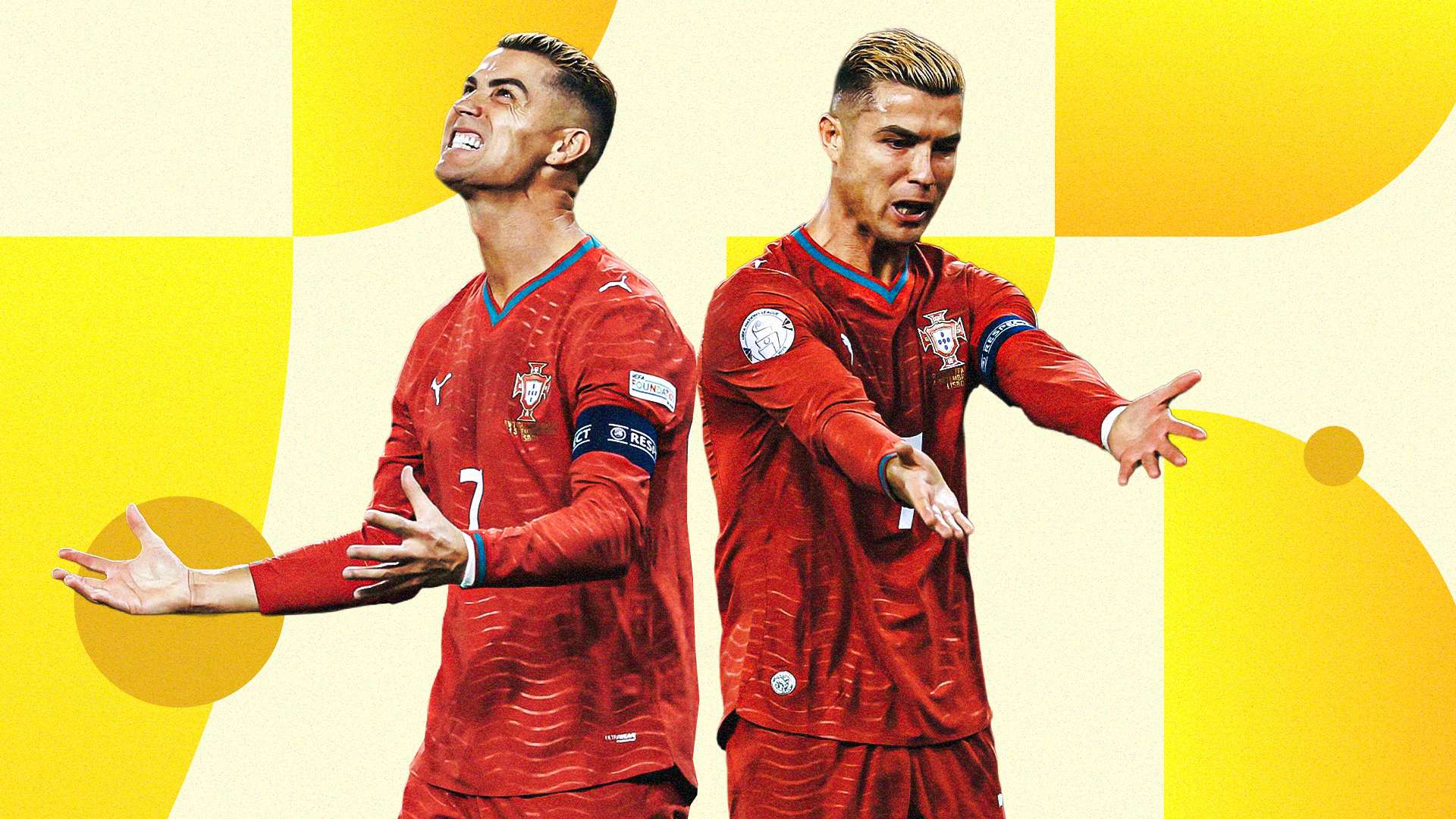
Cristiano Ronaldo is football’s all-time leading scorer, a record built across an extraordinary career at some of the sport’s biggest clubs. Yet his influence has often been debated as intensely as his goals. When a team struggled during his time there, critics sometimes pointed to his style as a source of trouble. When he moved on, others wondered whether his departure might be the turning point a club needed.
The truth is more complicated than either argument suggests. Ronaldo did not single-handedly create every problem at his former clubs, and his exit was not the sole cause of every later setback. Clubs are shaped by managers, recruitment, finances, injuries and changing competition. Still, his departures often marked the end of a particular era—and removing a player who supplied goals, experience and a constant attacking threat required more than a simple change of name on the team sheet.
More Than a Goalscorer
Ronaldo’s value is easiest to measure through his scoring records, but goals were only one part of what he brought to a team. His movement could stretch a defence, his presence attracted close attention from opponents, and his confidence gave teammates a reliable target in decisive moments. He also carried the expectations that come with being a global star: at times, that attention helped a club command the spotlight; at others, it intensified scrutiny when results fell short.
That combination made Ronaldo both an asset and a focal point. Supporters could look to him for a match-winning moment, while critics could treat his role as a convenient explanation for wider tactical or organisational issues. Neither view tells the full story. A team can benefit enormously from an elite scorer while still needing a balanced system around him.
Manchester United: A Return Amid Change
Ronaldo’s second spell at Manchester United began with huge excitement. His return in 2021 offered the club a proven goalscorer and a familiar figure for fans, and he produced important goals during a turbulent period. But United were also dealing with deeper challenges, including changes in management, an unsettled squad and the difficulty of building a consistent playing style.
As results fluctuated, debate grew over how best to fit Ronaldo into the team. Some observers argued that his individual strengths did not always align with the pressing demands or tactical plans of successive managers. Others pointed out that the club’s problems could not reasonably be reduced to one player. United’s struggles involved recruitment, midfield balance, defensive consistency and leadership—issues that existed beyond the forward line.
His departure in 2022 therefore did not instantly solve the club’s wider problems. It did, however, give United a chance to reshape its attack and move into a new phase under different leadership. The episode illustrates a recurring theme in Ronaldo’s career: a high-profile exit can change the conversation, but it cannot replace the long-term work required to rebuild a team.
Real Madrid: A Record-Breaking Era Ends
Ronaldo’s nine seasons at Real Madrid produced a remarkable collection of goals and trophies, including four Champions League titles with the club. He became its all-time leading scorer and a defining figure of an era in which Madrid repeatedly competed for Europe’s biggest honours. His departure for Juventus in 2018 left a major gap—not only in the number of goals, but in the attacking certainty he had provided.
Madrid did not collapse after he left. The club continued to win major trophies, demonstrating the strength of its squad, recruitment and institutional planning. But replacing Ronaldo’s output was never a straightforward task. Goals that had once arrived through his finishing, movement and ability to deliver under pressure had to be redistributed across the team.
The transition also underlined an important point for any football prediction: past success does not guarantee an immediate continuation of the same pattern. Even a powerful club needs time to adjust when a central attacking figure departs. Madrid’s later achievements reflected a broader evolution, not a simple one-for-one replacement.
Juventus: Goals, Expectations and a Changing Project
At Juventus, Ronaldo brought his scoring instinct to a club accustomed to domestic success and eager to make a deeper impact in Europe. He delivered regularly in front of goal and became a major attraction for supporters and audiences worldwide. But the team’s ambitions extended beyond individual statistics, and its European campaign did not produce the Champions League breakthrough many had hoped for.
Juventus also faced changes in its squad, coaching staff and financial priorities during this period. Ronaldo’s arrival was a major investment, but the outcome of a club’s project depends on more than one transfer. Questions about tactical balance, squad depth and long-term planning remained relevant whether he was in the lineup or not.
After Ronaldo left in 2021, Juventus entered a difficult spell marked by uneven performances and broader off-field challenges. It would be misleading to blame those struggles solely on his departure. At the same time, losing a player capable of producing goals consistently meant the club had to find new sources of attacking output—a task that demanded time, recruitment and tactical adjustment.
Why Replacing Ronaldo Is So Difficult
Elite scorers are difficult to replace because their contribution is not limited to the final touch. A forward who scores regularly can influence how opponents defend, how teammates make runs and how a team approaches close matches. When that player leaves, a club may need to alter its formation, distribute responsibility among several attackers or invest in a different type of striker.
There is also a difference between replacing a player’s statistics and replacing his overall influence. A club might find a new goalscorer but still lack the same experience, durability or ability to perform under intense scrutiny. Conversely, a team can become more balanced after a star departs, even if no single player matches his numbers. The outcome depends on the quality of the squad and the clarity of the club’s plan.
A Legacy That Resists Simple Judgments
Ronaldo’s career shows why football debates often become too personal. A superstar can be praised as the solution when a team wins and blamed as the problem when it loses, even when the causes are far wider. His former clubs followed different paths after his departures: some continued collecting trophies, while others entered periods of transition or instability. Those outcomes cannot be explained by one transfer alone.
What is clear is that Ronaldo gave every team an exceptional attacking resource. His scoring records, longevity and ability to decide important matches made him difficult to replace, regardless of whether a club’s broader project was working perfectly. Any prediction about a team’s future should therefore consider the full picture—its manager, squad depth, recruitment and finances—not simply whether Ronaldo is present.
His legacy is not that every club he left declined, nor that his goals solved every problem. It is that he raised expectations and delivered a level of attacking value few players can match. The teams that moved on had to build new identities around what remained, and that challenge is a reminder of just how much one extraordinary footballer can shape an era.