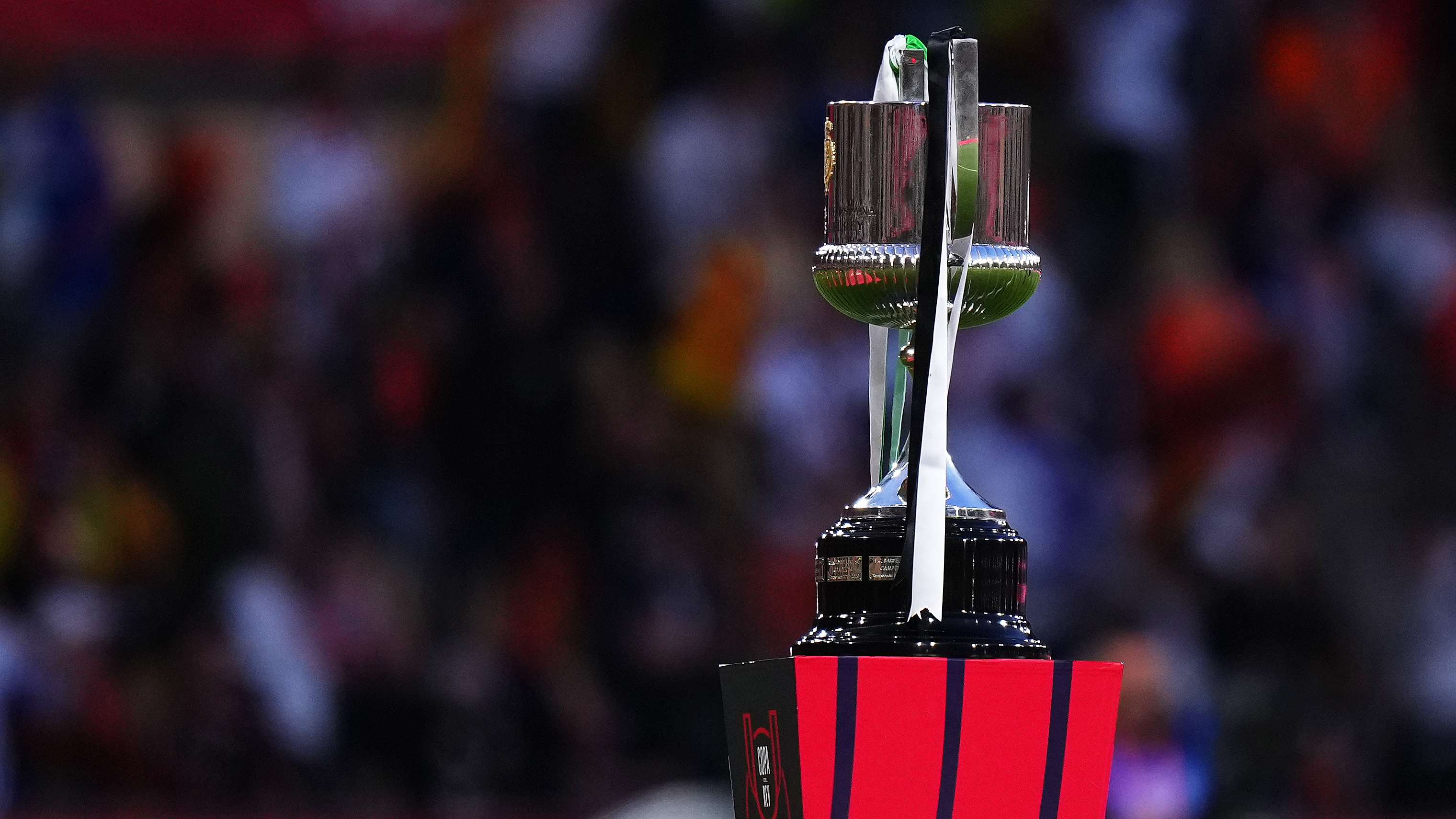

Copa del Rey Draw Delayed as Spanish Football Calendar Is Reshuffled
The Spanish Football Federation (RFEF) has postponed the draw for the second round of the Copa del Rey, giving clubs and supporters an extra week to wait before the next set of fixtures is confirmed. The draw will now take place on 23 November at 1pm, instead of the originally scheduled date of 16 November.
The change follows a series of postponements affecting matches in both the men’s Copa del Rey and the women’s Copa de la Reina. With those fixtures still to be completed, the federation has had to revise the cup calendar and create new dates for games that could not go ahead as planned. The delayed draw is intended to give the competition a clearer picture of which clubs have qualified before their next opponents are selected.
Why the Copa del Rey Draw Has Been Postponed
According to Spanish newspaper Marca, the decision is directly connected to the broader reshuffle of the domestic cup schedule. Several postponed matches have left the federation with outstanding results to resolve before it can confidently establish the full lineup for the next round.
In a knockout competition, even a small change to the fixture list can have consequences beyond the match itself. The result of a delayed tie determines which team advances, and that team must then be included in the next draw. Holding the ceremony before all affected fixtures are settled could leave clubs, broadcasters and supporters without a complete or reliable picture of the round.
By moving the draw back by one week, the RFEF has created additional time for postponed games to be played and for the qualification picture to become clearer. The adjustment is designed to keep the tournament moving in an orderly fashion, even if it means clubs must wait longer to learn their next challenge.
What the Schedule Change Means for Clubs and Supporters
For teams already through to the second round, the delay changes the timing of an important planning milestone. Clubs will have to wait until 23 November to discover their opponents, making it harder to confirm travel arrangements, ticketing plans and detailed preparations for the tie. Coaches can still work on general match preparation, but they will not know which opponent-specific tactical demands to prioritise until the draw is complete.
The extra week may also affect how clubs manage their football schedules. Teams competing in multiple competitions often need to balance cup fixtures with league commitments, training loads and recovery periods. A postponed draw does not necessarily alter the match date itself, but it can reduce the time available for clubs to plan around the next round once the opponent is known.
For supporters, the main impact is a longer wait for the fixture announcement. Cup draws are a major part of the competition’s appeal because they create fresh match-ups, potential surprises and the possibility of a smaller club hosting or facing a more established side. Until all relevant postponed matches are completed, however, any prediction about the draw’s most intriguing ties remains speculative.
Single-Match Format Keeps the Stakes High
The second round will be decided over a single match, rather than a two-legged tie. That format gives each fixture an immediate, winner-takes-all quality: one strong performance can send a club through, while a difficult afternoon may end its cup campaign.
Single-match rounds are especially compelling in the Copa del Rey because they can give lower-division teams a genuine opportunity to challenge opponents with greater resources and deeper squads. The setting, match conditions and ability to handle pressure can all become decisive factors. As a result, supporters often look beyond league position when making a football prediction, weighing recent form, squad availability and the possibility of an upset.
For clubs, the format also makes preparation more direct. There is no return leg in which to recover from a poor result, so concentration and game management are crucial from the opening whistle. Once the draw is made, teams will be able to assess the specific challenge ahead and shape their plans accordingly.
Copa de la Reina Draw Also Moves
The schedule changes extend to the women’s game. The round-of-16 draw for the Copa de la Reina Iberdrola is now set to take place on 26 November at 4:30pm. As with the men’s competition, the revised timing reflects the need to complete postponed fixtures and confirm which clubs will progress.
Coordinating two knockout competitions can be a demanding task, particularly when postponements affect more than one stage of the calendar. Moving the women’s draw gives the federation room to account for the outstanding matches while ensuring the next round is based on a settled list of qualified teams.
Postponed Matches Set to Resume
Both cup competitions are expected to get back underway over the coming week, when postponed matches are scheduled to be played. Those games will determine which teams remain in contention and help the RFEF bring the competitions back into line with their revised calendars.
The federation’s priority is to complete the affected rounds before proceeding with the draws. Once the results are confirmed, clubs and fans can turn their attention to the next stage, including potential match-ups, travel demands and the prospects of a surprise result.
Although the Copa del Rey draw has been delayed, the change is intended to provide clarity rather than create further uncertainty. The revised date gives the competition time to resolve its outstanding fixtures and ensures the second-round draw can include every eligible team. For clubs, the wait is an inconvenience; for supporters, it adds another week of anticipation before the next chapter of Spain’s football cup season begins.