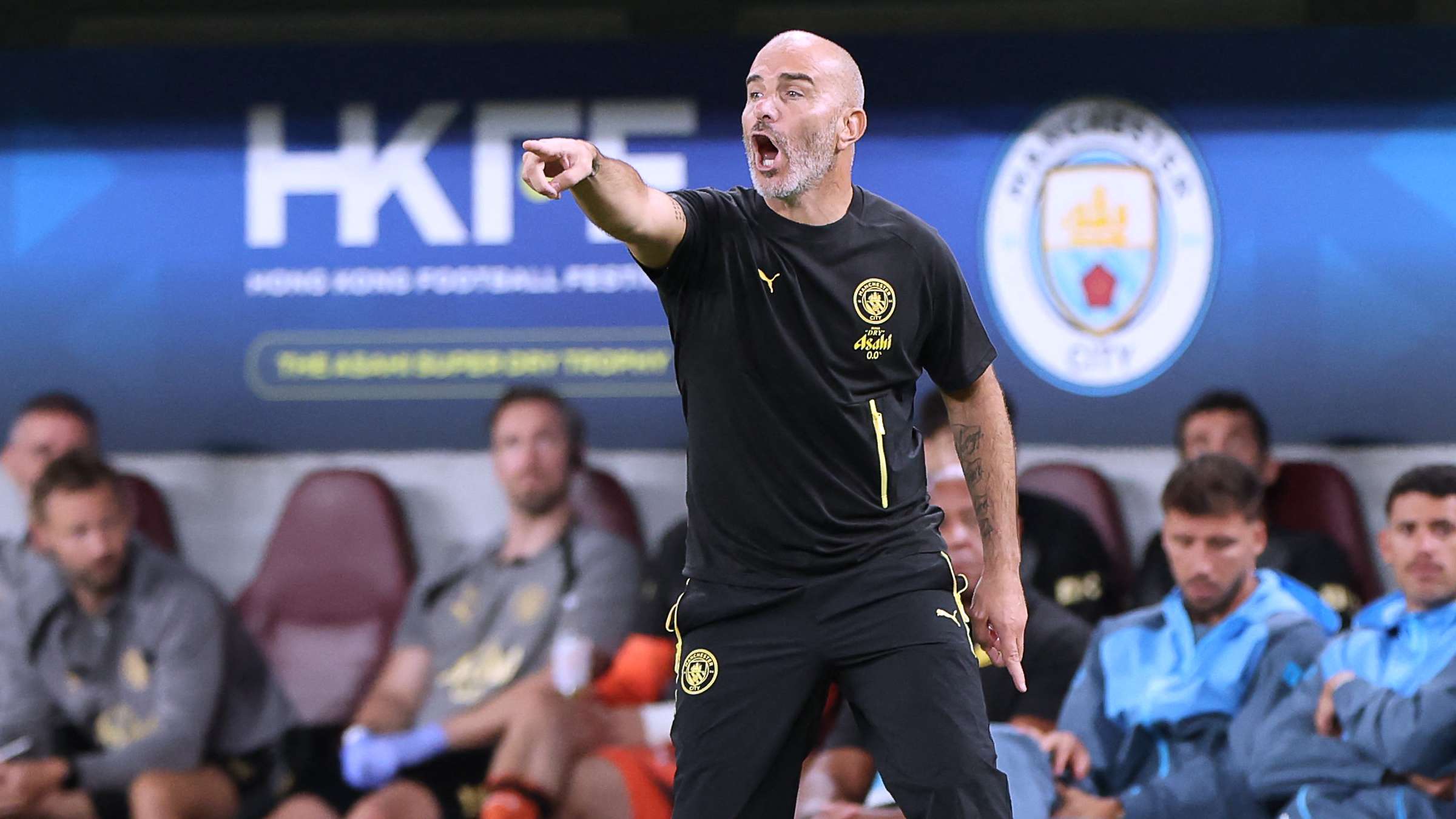


A New Era for English Football: Managerial Revolution Hits Premier League
The 2026-2027 Premier League season is on the horizon, but it is already making waves in history with a managerial revolution sweeping through the competition. This season will see nine clubs starting with new permanent managers, marking the most significant wave of changes since the league’s inception.
Nine Clubs, Nine New Stories
The Premier League is undergoing a transformation with a reshuffling of technical leadership across various clubs. From Liverpool appointing Andoni Iraola to Manchester City welcoming Enzo Maresca as their new manager, the winds of change have touched almost half of the clubs competing in the league. This shift signifies the dawn of a new era that could potentially alter the landscape of English football.
Other notable appointments include Xabi Alonso taking the reins at Chelsea, Marco Rose at Bournemouth, Oliver Glasner at Nottingham Forest, and Pierre Sage at Crystal Palace. The managerial changes have been swift and sweeping, creating a fresh dynamic in the Premier League.
The End of an Era
With the upcoming season, English football bids farewell to an era dominated by legendary managers such as Sir Alex Ferguson, Arsène Wenger, José Mourinho, Jürgen Klopp, and Pep Guardiola. These iconic figures have collectively won 26 out of the 34 Premier League titles and have left an indelible mark on the sport by reshaping its identity and setting new standards of excellence.
Testing the “New Manager Effect”
One of the intriguing aspects of the new season will be testing the theory of the “new manager effect.” This phenomenon suggests that teams experience an immediate improvement after a managerial change due to psychological motivation, tactical adjustments, and a renewed team atmosphere. The opening fixtures of the season will see several matches pitting teams led by new managers against each other, offering a unique test of this theory.
Success Beyond the Dugout
While managerial changes have been a prevalent theme ahead of the new season, it remains to be seen whether these shifts will guarantee success on the field. Recent experiences have shown that changing managers does not always translate into immediate positive results. Factors such as player quality, financial investments, and the overall club environment play crucial roles in determining a team’s success.
As the Premier League embarks on a season filled with uncertainty and excitement, the stage is set for a new chapter in English football history. With almost half of the league’s clubs ushering in a new era of leadership, fans can expect a thrilling and unpredictable campaign ahead.
The Impact of Managerial Changes on Team Dynamics
While the arrival of new managers brings a sense of excitement and anticipation to the Premier League, it also introduces a period of adjustment for players and staff. Each manager brings their unique philosophy, tactics, and leadership style to the team, which can have a profound impact on the dynamics within the squad.
Players who were accustomed to a certain playing style or training regimen under the previous manager may need to adapt quickly to the new coach’s methods. This adjustment period can sometimes lead to initial challenges as players acclimate to the demands and expectations of their new leader. However, it can also spark renewed motivation and a fresh perspective on the game, revitalizing the team and igniting a new sense of purpose on the field.
Additionally, the relationship between the manager and the players is crucial in determining the team’s success. A strong rapport built on trust, communication, and mutual respect can foster a positive team culture and a cohesive playing style. Conversely, conflicts or misunderstandings between the manager and players can create discord within the squad and hinder performance on the pitch.
Strategies for Success: Building a Winning Team
While the appointment of a new manager can inject energy and enthusiasm into a club, sustained success requires more than just a change in leadership. Building a winning team involves a combination of factors, including strategic recruitment, player development, tactical acumen, and a strong team ethos.
Managers must carefully assess their squad’s strengths and weaknesses, identify areas for improvement, and make astute transfer decisions to bolster the team’s capabilities. Developing young talent, nurturing existing players, and creating a cohesive playing style that maximizes the team’s potential are essential elements in achieving sustained success.
Moreover, effective communication, clear goal-setting, and a shared vision among players, coaching staff, and management are vital in creating a winning team culture. Establishing a strong sense of camaraderie, unity, and collective purpose can inspire players to perform at their best and overcome challenges together.
The Role of Data Analytics in Football Prediction
With the increasing emphasis on data analytics in modern football, predicting match outcomes has become a science in itself. Advanced statistical models, player performance metrics, and historical data analysis are now used to forecast game results, assess team strengths and weaknesses, and identify potential areas of competitive advantage.
By leveraging data analytics, clubs can make informed decisions on tactics, player selection, and game strategies that give them a competitive edge on the field. Furthermore, fans, pundits, and betting enthusiasts can use data-driven insights to make more accurate predictions on match outcomes, player performance, and league standings.
As the 2026-2027 Premier League season unfolds with a wave of new managerial appointments, the integration of data analytics into football prediction adds another layer of excitement and intrigue to the competition. By combining the art of coaching with the science of data analysis, clubs and fans alike can gain a deeper understanding of the game and enhance their ability to forecast the unpredictable nature of English football.
Overall, the influx of new managers in the Premier League signals a shift towards a more diverse and competitive landscape, where innovation, strategy, and data-driven insights play a crucial role in shaping the future of English football. Fans can look forward to an exhilarating season filled with surprises, challenges, and opportunities for growth as the league enters a new era of managerial excellence.