
Argentina Begin a New Era as Scaloni Tests His Next Generation
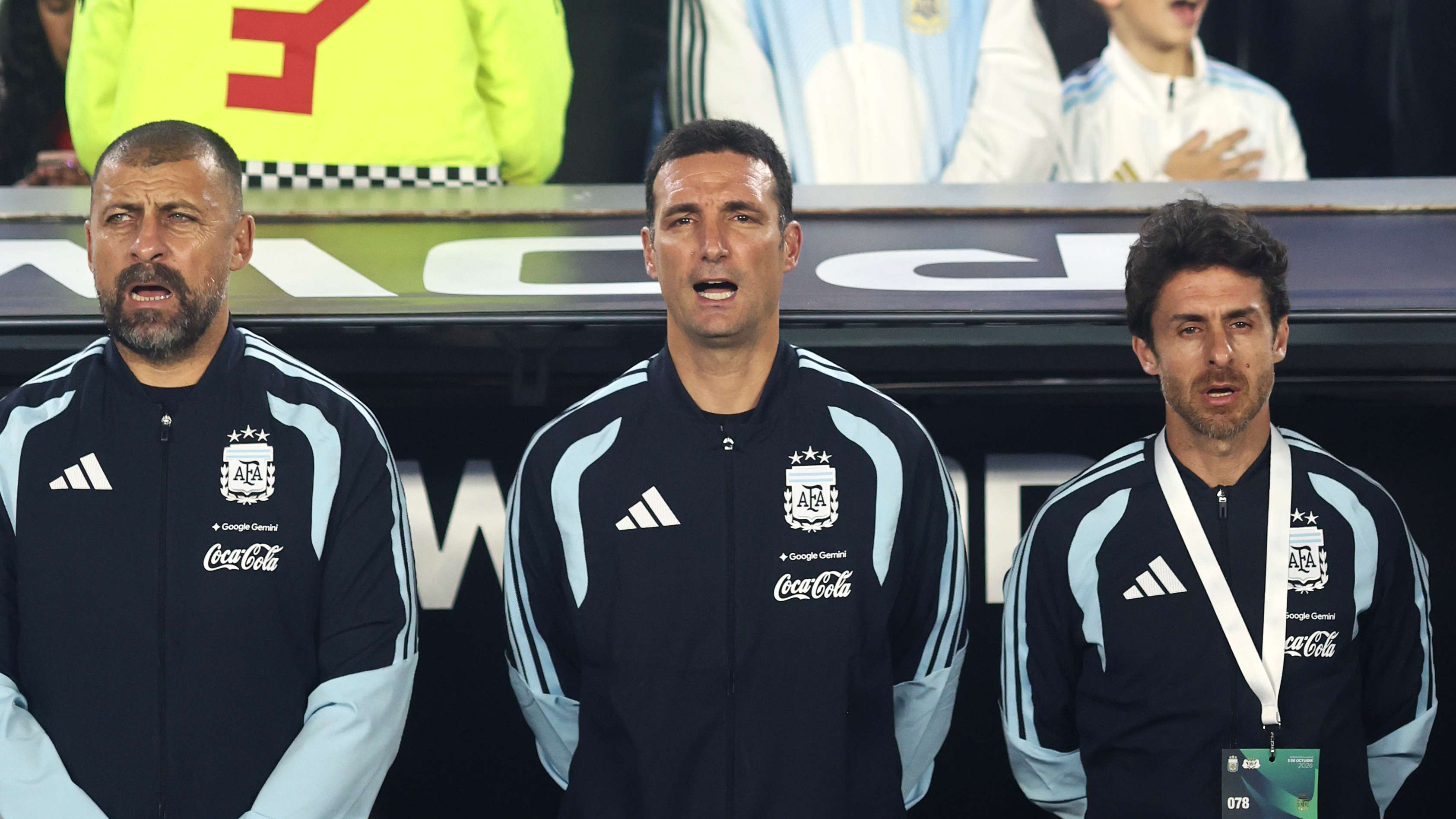
Argentina’s November friendlies carry a significance beyond the results. Lionel Scaloni has named his first squad since Lionel Messi announced his retirement from international football, offering an early look at how the world champions may evolve without their most celebrated player. The fixtures against Uruguay and Costa Rica will give the coach a chance to assess emerging talent, revisit familiar options and begin shaping a team with the 2030 World Cup in mind.
The squad blends established internationals with a substantial group of younger players. Chelsea defender Aaron Anselmino and Parma centre-back Mariano Troilo are among the headline inclusions, while River Plate’s Gonzalo Montiel returns. At the same time, Rodrigo De Paul and Giovani Lo Celso are absent, alongside several regulars unavailable through injury or suspension.
For supporters following Argentina football, the selection raises an important question: who can take on greater responsibility in the post-Messi years? These friendlies are not a definitive test of the team’s future, but they offer Scaloni valuable minutes to explore different combinations and gauge how his younger players respond to senior international football.
Fresh Faces and a Familiar Return in Defence
Anselmino, 23, receives his first senior call-up after previously playing for Boca Juniors and joining Chelsea. His inclusion gives Scaloni another opportunity to assess a defender who could develop into a long-term option. Troilo, 21, also earns a place. He was previously called up during the 2025 World Cup qualifying campaign but did not make an appearance, making this gathering a possible chance to move closer to his senior debut.
Montiel’s return adds experience to a defensive group undergoing change. The River Plate right-back was left out of Scaloni’s first squad after the 2026 World Cup, but his recall restores a player with extensive experience in major matches. His presence could be especially useful as the coach evaluates less-established defenders around him.
Argentina’s goalkeeping options remain unchanged, with Emiliano Martinez, Geronimo Rulli, Juan Musso and Santiago Beltran all selected. Martinez remains the leading name, but his fitness is a concern after he suffered a fractured jaw. He is expected to undergo medical assessment, and the squad’s medical staff will need to determine whether he can safely take part. There is no reason for Argentina to take unnecessary risks with a key player in a friendly.
Injuries, Selection Decisions and Suspensions
Several major absences are linked to injuries at club level. Captain Cristian Romero, striker Lautaro Martinez and Nicolas Gonzalez are all unavailable, reducing Scaloni’s options in defence and attack. Their absence may open the door for younger players to gain valuable exposure, though it also means the squad will be missing important experience and established partnerships.
De Paul and Lo Celso are not included after featuring in the previous gathering for Messi’s farewell. Their omission is a notable change, but it does not necessarily signal the end of their involvement. Rather, it reflects Scaloni’s current selection choices as he assesses the group available for this new phase.
Leandro Paredes and Nahuel Molina are also missing while serving suspensions imposed following events in the 2026 World Cup final against Spain. Paredes has completed three matches of a ten-game ban, while Molina has served three of seven. Their continued absence limits Scaloni’s choices, particularly in midfield and at right-back, and gives other players an opportunity to stake a claim.
Youth at the Centre of Scaloni’s Long-Term Plan
The squad’s younger contingent includes Nico Paz, Franco Mastantuono, Valentin Barco, Santiago Castro, Gianluca Prestianni, Matias Soule, Roman Vega and Ezequiel Fernandez. Their selection underlines Scaloni’s intention to refresh the team gradually rather than rely solely on the generation that delivered Argentina’s recent success.
Building toward 2030 will involve more than finding a replacement for Messi. Argentina must develop new creative leaders, maintain a reliable defensive structure and ensure its attacking options can adapt to different opponents. Players such as Paz and Mastantuono may bring invention, while the new defensive call-ups offer Scaloni a chance to examine the depth behind his regular starters.
That makes the November schedule useful for more than simply testing individual talent. Friendlies can help a coach experiment with formations, combinations and responsibilities without the immediate pressure of a competitive tournament. For fans considering a football prediction, the squad changes are a reminder that Argentina’s performance may depend on how quickly its newer players settle alongside experienced internationals.
Argentina’s November Fixtures
Both matches will be played in Argentina during the international break. The team opens against Uruguay at La Bombonera on 13 November, before facing Costa Rica at the Mario Alberto Kempes stadium in Córdoba on 17 November. The games offer contrasting tests: Uruguay are a familiar South American rival, while Costa Rica provide a different style of opposition.
Argentina’s approach to the Uruguay match may offer the clearest early indication of Scaloni’s plans. A demanding regional contest can test the squad’s composure and defensive organisation, while the Costa Rica fixture could provide further opportunities to rotate and evaluate players. The results matter, but the bigger measure of success will be whether the coach learns more about his options for the next stage of the national team’s development.
Argentina Squad for the Matches Against Uruguay and Costa Rica
Goalkeepers: Emiliano Martinez (Chelsea), Geronimo Rulli (Manchester City), Juan Musso (Atletico Madrid), Santiago Beltran (River Plate).
Defenders: Gonzalo Montiel (River Plate), Agustin Giay (Palmeiras), Aaron Anselmino (Chelsea), Mariano Troilo (Parma), Leonardo Balerdi (Roma), Lisandro Martinez (Manchester United), Facundo Medina (Bayer Leverkusen), Nicolas Tagliafico (Olympique Lyon), Roman Vega (Zenit).
Midfielders: Ezequiel Fernandez (Bayer Leverkusen), Maximo Perrone (Como), Exequiel Palacios (Ipswich Town), Valentin Barco (Chelsea), Alexis Mac Allister (Liverpool), Enzo Fernandez (Manchester City), Nico Paz (Como), Matias Soule (Roma), Franco Mastantuono (Fiorentina), Giuliano Simeone (Atletico Madrid), Gianluca Prestianni (Benfica), Thiago Almada (River Plate).
Forwards: Jose Manuel Lopez (Palmeiras), Santiago Castro (Roma), Julian Alvarez (Atletico Madrid).
With Messi’s international chapter closed, Argentina face the challenge of preserving their competitive identity while allowing a new generation to grow. Scaloni’s selections suggest a measured transition: experienced players remain part of the picture, but fresh faces are being introduced early. The Uruguay and Costa Rica fixtures will be the next opportunity to see how that balance works on the pitch.