
Mourinho finds the balance he wanted as Real Madrid’s football takes shape
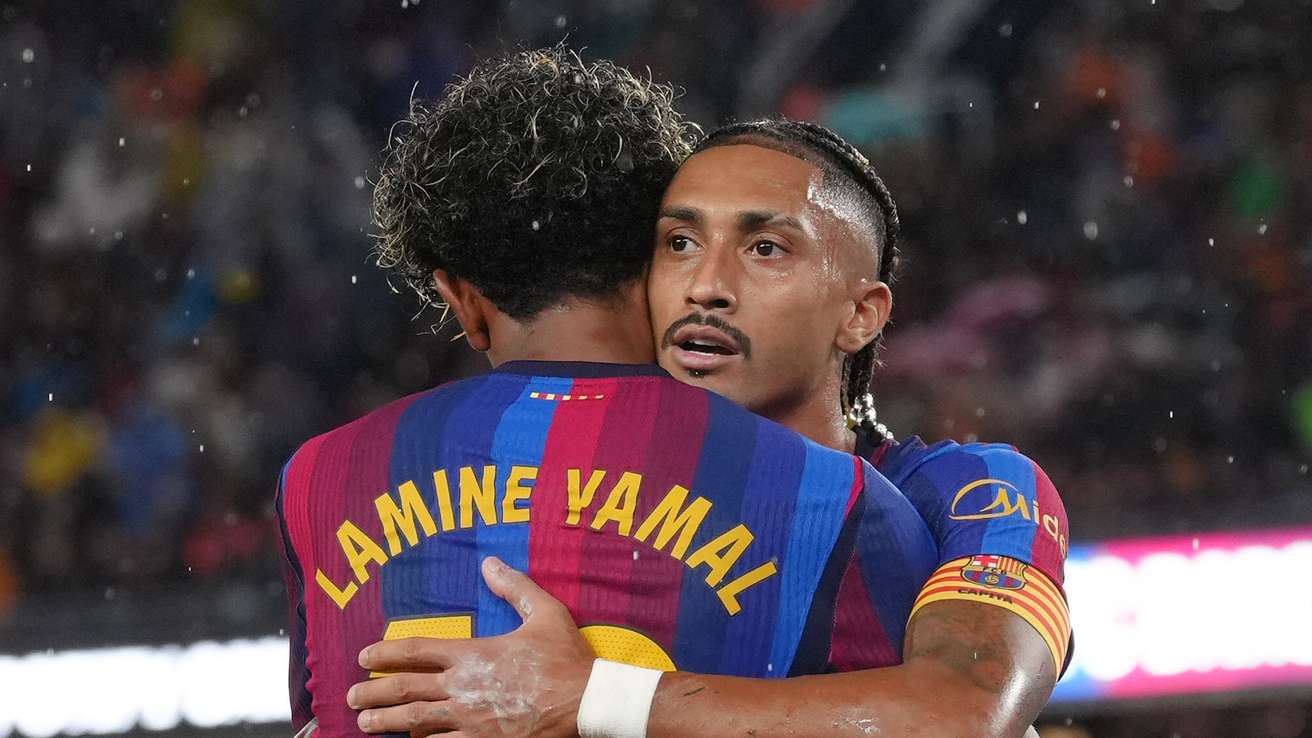
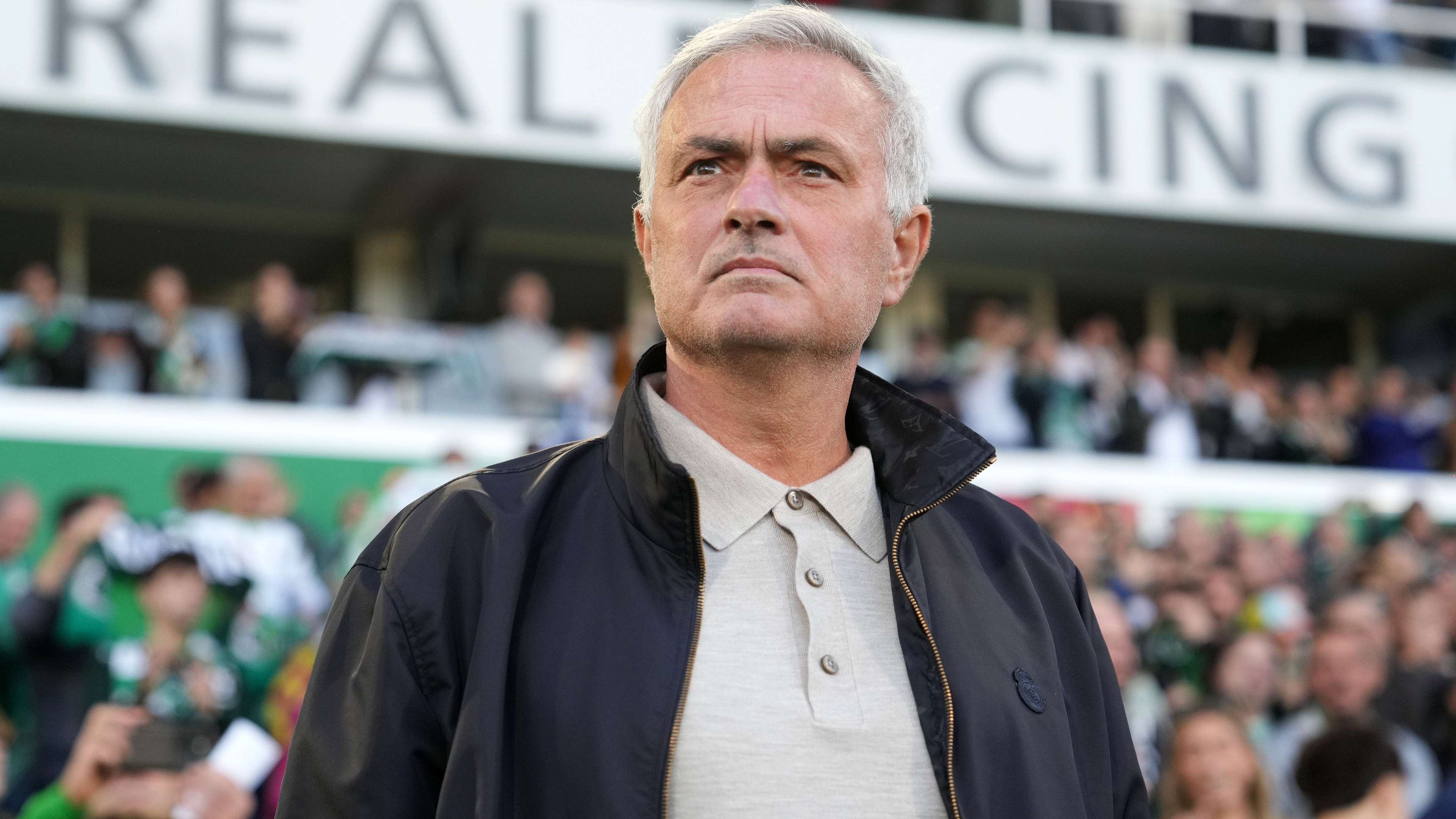
José Mourinho believes Real Madrid are beginning to show the identity he has been working to build since the start of the season. After a commanding performance in the Clásico at Camp Nou, the coach has found greater confidence in his preferred line-up—and, just as importantly, in the tactical understanding developing across the squad.
The result has lifted the mood in the dressing room. Players appear increasingly comfortable with Mourinho’s demands: press aggressively, react immediately after losing possession and attack with purpose. For a team still adapting to a new coaching approach, that combination of discipline and freedom could prove decisive as the campaign gathers pace.
A settled front three brings a sharper attacking threat
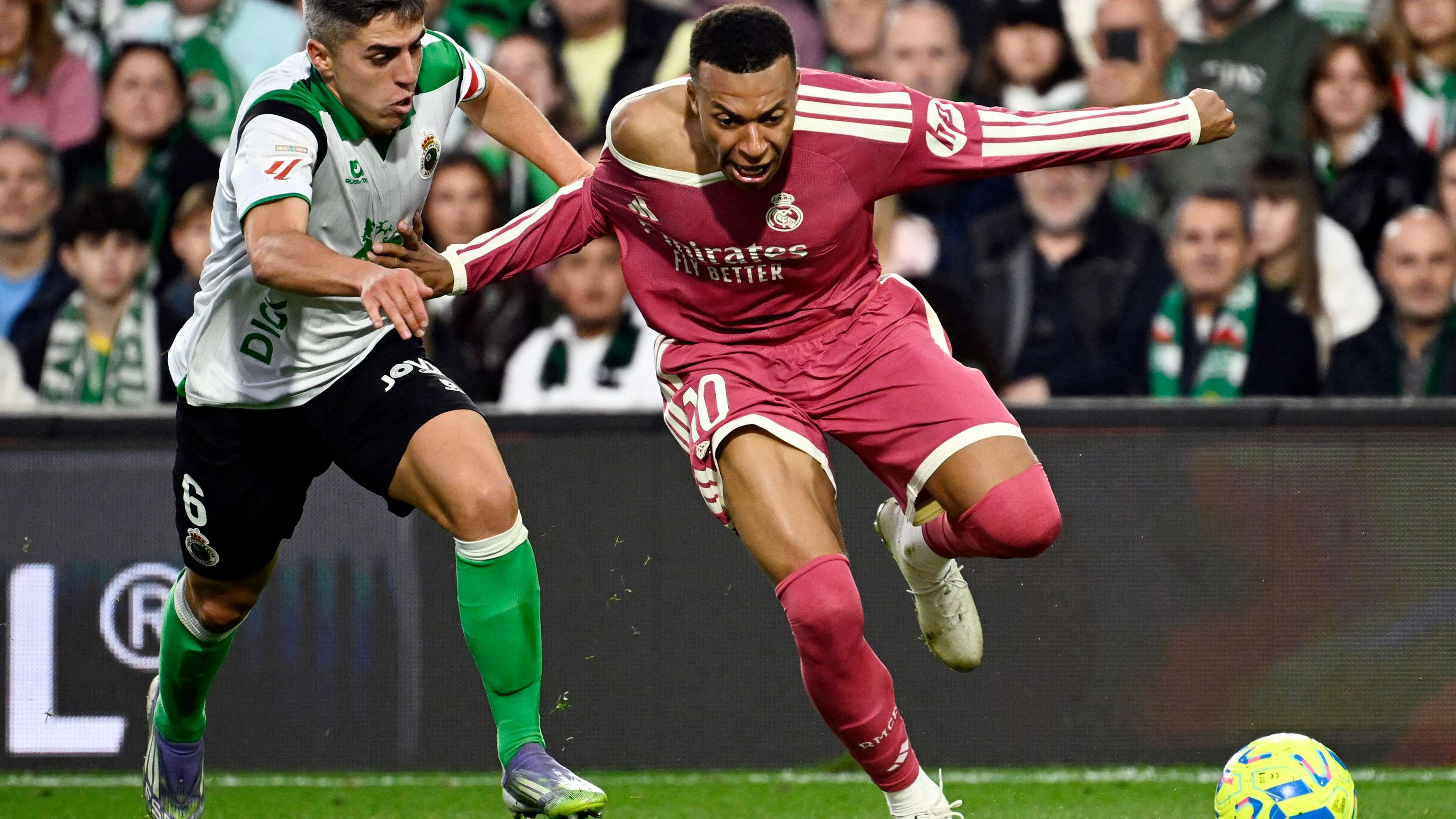
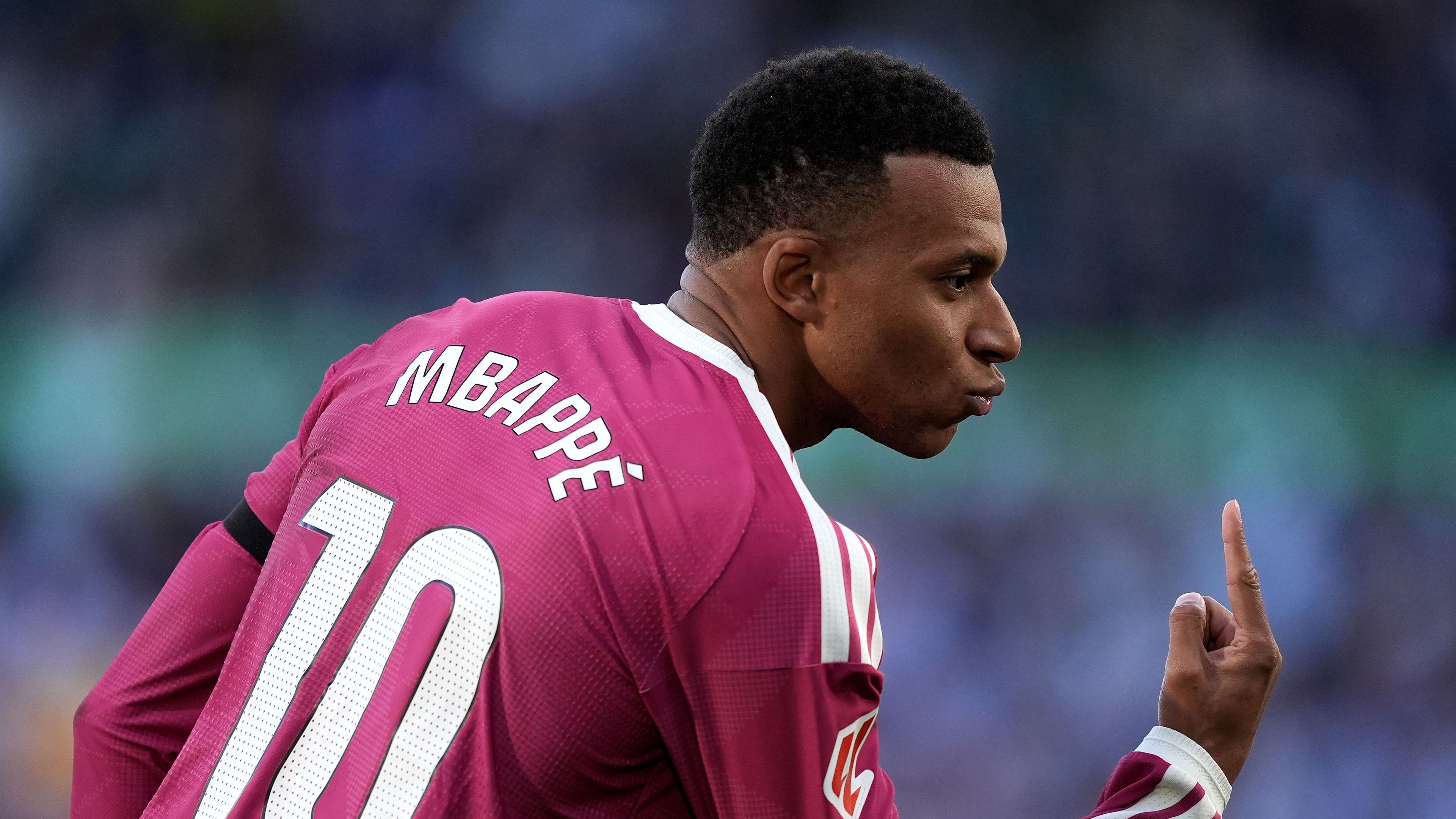
According to Marca, the clearest sign of stability is in attack, where Mourinho is keen to preserve the same front three. The forward line has started to develop an understanding that allows its players to create danger both individually and collectively. Their movement stretches opposition defences, while their willingness to track back helps the team stay compact when possession changes hands.
The wide players have become a particularly important source of momentum. Their dribbling can force defenders into difficult decisions, but the threat does not end when an attack breaks down. Madrid’s forwards are also expected to press immediately, trying to win the ball back before opponents can settle into their shape. That first reaction can turn a defensive recovery into another attacking opportunity within seconds.
Mourinho has highlighted the commitment of his attacking players as a key part of the team’s progress. “This is something all the players now have. I have seen Kylian pressing too; players who are extremely committed,” he said. “When the attacking players make sacrifices, it benefits the team.”
That message reflects a broader change in Madrid’s approach. Pressing is no longer treated as a task reserved for midfielders and defenders. When the forwards lead the effort, they can disrupt the opposition’s first pass, guide play towards crowded areas and give their teammates a better chance of regaining possession high up the pitch.
Bernardo Silva gives the midfield a new centre of gravity
The improvement in Madrid’s attack has been supported by a more balanced midfield. Bernardo Silva, now operating centrally rather than primarily from the wing, has emerged as a crucial link in Mourinho’s system. His ability to receive the ball under pressure, turn into space and choose the right tempo has helped give the team greater control in possession.
Silva’s influence is not limited to passing. He offers a calm presence when opponents press, helping Madrid avoid rushed clearances and maintain their attacking structure. By positioning himself in the centre, he can connect the defensive line with the forwards and provide an outlet when the team needs to slow the game down.
His partnership with the other midfielders has brought more order to a department that lacked consistency earlier in the season. The combination of Aurélien Tchouaméni, Bernardo, Arda Güler and Jude Bellingham gives Mourinho a mix of defensive protection, creativity, mobility and forward runs. Together, the four can help Madrid control the middle of the pitch while still supporting the front line.
That balance matters because a team cannot press effectively for long without a reliable structure behind the first wave. If the forwards close down opponents but the midfield leaves gaps, a single pass can expose the defence. Madrid’s improved positioning has made it easier to press with purpose rather than simply chase the ball.
Progress, not perfection, is Mourinho’s message
Mourinho has been careful not to suggest that his side has already reached its peak. He acknowledged that the team is still learning, noting that less than four months is a short period in which to establish a demanding football philosophy. The progress, he said, has come gradually as both coach and players have learned more about one another.
“Not at 100%, but we are improving,” Mourinho explained. He added that he now understands things he did not understand on his first day, while the players have gained a clearer sense of his personality and the standards he considers non-negotiable.
That mutual understanding can be just as important as tactical instruction. Coaches need players to recognise when to press, when to hold their position and when to take risks. Players, in turn, need confidence that their strengths fit within the plan. Mourinho’s comments suggest that communication between the dressing room and coaching staff is improving, giving the team a stronger foundation for the months ahead.
Upcoming fixtures will test Madrid’s momentum
Madrid’s next matches will offer an early test of whether the Clásico performance can become a regular standard. The club is scheduled to face AEK in the Champions League on 5 November 2026, before returning to La Liga action against Mallorca on 7 November. The short turnaround will require Mourinho to manage energy carefully, particularly among players expected to press intensely.
Rotation may therefore remain part of the plan, even if the coach has identified a preferred starting group. A settled core can provide continuity, while carefully chosen changes help protect players from fatigue and preserve intensity across competitions. The important distinction is that rotation need not mean abandoning the team’s identity: substitutes must be ready to carry out the same pressing and positional responsibilities.
For supporters considering a football prediction for Madrid’s upcoming fixtures, the recent signs are encouraging but should be viewed in context. A more coordinated press, a dependable midfield and a confident front three can improve the team’s chances, yet performances over a demanding schedule will reveal how durable that progress is. Opponents may also adjust by playing quickly through Madrid’s pressure or targeting the spaces left by advancing players.
For now, Mourinho appears to have found a framework he trusts. The attack is working with greater unity, Bernardo Silva is helping organise the centre of the pitch, and the wider squad is responding to the coach’s expectations. Madrid may not yet be at full capacity, but the Clásico offered evidence that Mourinho’s ideas are taking hold—and that his preferred line-up is becoming more than a selection choice. It is beginning to look like the foundation of the team he wants to build.