
Fabio Cannavaro’s Uzbekistan Future in Doubt After Asian Cup Postponement
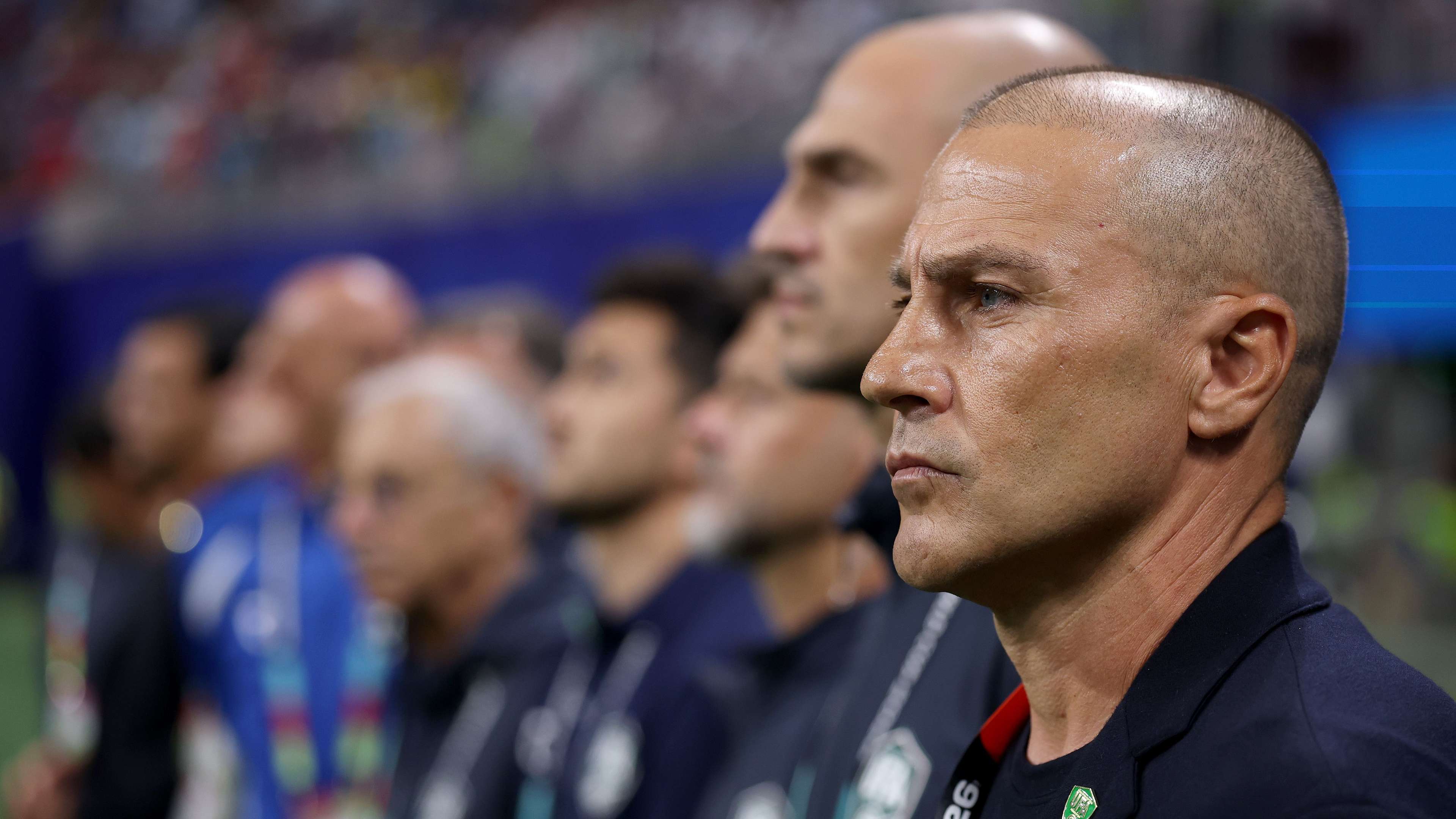
Fabio Cannavaro could become one of the first major coaching casualties of the decision to postpone the 2027 AFC Asian Cup. The Italian, who has led Uzbekistan since October last year, is reportedly considering his future after the tournament was moved from its original January schedule to December 2027.
The Asian Football Confederation confirmed the change, extending the wait for one of Asia’s most anticipated international competitions. While the revised calendar gives host nation Saudi Arabia and participating teams more time to prepare, it also leaves Uzbekistan facing uncertainty over its competitive schedule—and potentially over the future of its head coach.
Italian journalist Fabrizio Romano has reported that Cannavaro may walk away from the Uzbekistan job. No official departure has been announced, but the Asian Cup postponement has cast fresh doubt over a tenure that began with a major achievement: guiding Uzbekistan to qualification for the 2026 FIFA World Cup.
From World Cup qualification to a difficult tournament debut
Cannavaro’s appointment brought considerable attention to Uzbekistan. The former Italy captain and 2006 World Cup winner arrived with a reputation forged at the highest level of the game, as both a player and a coach. His task was to help a talented national team take the next step—and securing a place at the 2026 World Cup marked a significant milestone.
Uzbekistan’s qualification was a historic accomplishment, but the finals proved a demanding test. The team lost all three of its group-stage matches, facing Colombia, Portugal and the Democratic Republic of Congo. Those results offered a sobering measure of the gap Uzbekistan must bridge if it is to become more competitive against established international sides.
Even so, a difficult World Cup campaign does not erase the importance of reaching the tournament. For Uzbekistan, the experience provided valuable exposure to elite opposition, while giving the coaching staff a chance to assess the squad under intense pressure. The next challenge was expected to be a return to continental competition at the 2027 AFC Asian Cup.
Asian Cup delay disrupts Uzbekistan’s immediate plans
Before the postponement, the Asian Cup offered Cannavaro and Uzbekistan a clear target. The tournament draw placed the team in a group with Jordan, North Korea and Bahrain—a challenging but balanced lineup that appeared to offer a realistic opportunity to compete for progression.
That prospect has now been pushed back by almost a year. Instead of beginning in January 2027, the competition is scheduled to start in December. The change may affect more than travel plans and preparation camps: it also removes a major competitive objective from Uzbekistan’s near-term calendar.
With no official matches expected in the coming months, the national team could face an extended period without meaningful competition. Friendlies can help maintain momentum, test new players and refine tactics, but they rarely replicate the pressure and intensity of a qualifying campaign or a major tournament. The lack of a clear competitive schedule may therefore complicate both squad development and long-term planning.
Why the timing matters for Cannavaro
For a national-team coach, tournament postponements can create a difficult professional equation. Cannavaro must weigh the value of continuing a project that has already delivered World Cup qualification against the possibility of spending a long stretch preparing for a competition that is no longer close on the calendar.
The delay may also influence decisions about contracts, coaching staff and player development. Uzbekistan’s football authorities will need to decide how to keep the squad engaged, whether to arrange additional friendlies and how to use the extra time before the Asian Cup. Those choices could shape the team’s direction regardless of who is in charge.
Cannavaro’s reported uncertainty should not automatically be interpreted as a response to the World Cup results alone. The postponement changes the context around his role, leaving fewer immediate opportunities to build on qualification and demonstrate progress in competitive matches. If he does depart, the timing could force Uzbekistan to begin a coaching search well before its next major target.
What comes next for Uzbekistan?
The short-term schedule includes international friendlies, with Uzbekistan listed to face Russia on November 12, 2026. Such fixtures could give the team useful match practice and help the coaching staff evaluate options ahead of the next phase of preparation. However, the value of those games will depend on the quality of opposition, the availability of key players and whether the team can establish a consistent plan.
Uzbekistan’s challenge is to preserve the momentum created by qualifying for the World Cup while adapting to an altered international calendar. The extra preparation time could ultimately be beneficial, allowing the squad to address weaknesses exposed against Colombia, Portugal and the Democratic Republic of Congo. But additional time only becomes an advantage if it is used effectively.
That makes the coaching decision especially important. If Cannavaro stays, he will have the chance to continue shaping the team and turn a historic qualification into a stronger Asian Cup campaign. If he leaves, Uzbekistan will need to appoint a successor capable of maintaining continuity while setting fresh goals for a squad that has already reached a new level.
Football prediction: uncertainty ahead of a defining decision
At this stage, any prediction about Cannavaro’s next move remains speculative. The Italian has not publicly confirmed that he intends to leave, and the Uzbekistan federation has not announced a change in leadership. The tournament’s revised date could still give both sides time to agree on a plan that keeps the project on track.
Nevertheless, the postponement has created a genuine turning point. Uzbekistan must decide how to manage a lengthy wait for the Asian Cup, while Cannavaro considers whether the role still offers the competitive rhythm and immediate objectives he wants. The outcome will be closely watched across Asian football, particularly because the team’s World Cup qualification raised expectations around its future.
For now, the most important question is not simply whether Cannavaro stays or goes. It is whether Uzbekistan can turn a disrupted schedule into an opportunity to improve. The answer will depend on careful planning, purposeful friendlies and a clear vision for the months ahead. Whatever the coach’s decision, the Asian Cup delay has made the next chapter of Uzbekistan’s football project far less predictable.