
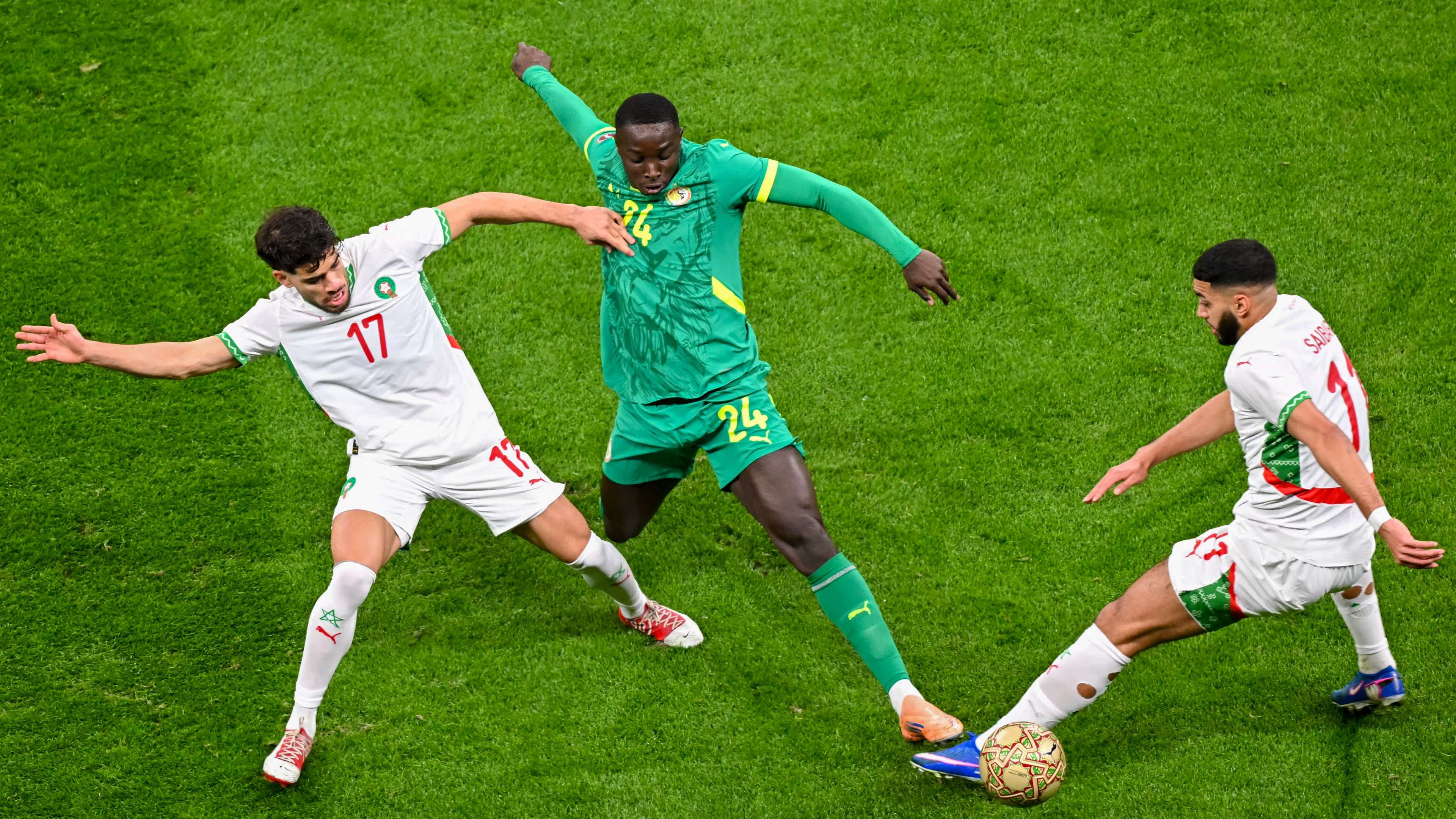

The Court of Arbitration for Sport to Decide on 2025 Africa Cup of Nations Controversy
Background
More than two months after the 2025 Africa Cup of Nations final, the controversy surrounding the match between Morocco and Senegal continues to make headlines. The match, which was expected to be a celebration of football, ended in chaos with the Senegalese team withdrawing before the final whistle, leading to Morocco being awarded a 3-0 victory by default by the Confederation of African Football (CAF).
The Legal Battle
Senegal, aggrieved by the decision, lodged an initial appeal with the CAF Appeals Committee, but their plea was rejected, leading them to take their case to the Court of Arbitration for Sport (CAS) in Lausanne. The Senegalese Football Federation is preparing to present their full case in an attempt to overturn CAF’s decision and have the result of the final reviewed.
The CAS has not yet announced a specific timetable for the hearing, but it is expected to be a final and non-appealable decision. The Director General of the Court, Mathieu Reeb, has stated that the proceedings will be conducted in a timely manner while ensuring a fair hearing for all parties involved.
The Final Outcome
As the legal battle unfolds, uncertainty looms over the actual winner of the 2025 Africa Cup of Nations title. While Morocco holds onto the victory awarded by CAF, Senegal is pushing for a review of the decision, citing “force majeure” circumstances that led to their withdrawal from the final.
With the crisis entering its decisive phase, the footballing world eagerly awaits the final decision from the Court of Arbitration for Sport, which will ultimately determine the rightful winner of the tournament. The outcome of this legal battle will have far-reaching consequences for both teams involved and the future of African football.
Despite the ongoing legal proceedings, football fans and stakeholders remain hopeful for a swift resolution to the controversy that has marred the reputation of the 2025 Africa Cup of Nations. The final decision from the CAS is anticipated to bring closure to the dispute and restore integrity to the tournament.
In conclusion, the 2025 Africa Cup of Nations crisis has brought into focus the importance of fair play, adherence to regulations, and the role of institutions like the Court of Arbitration for Sport in resolving disputes within the footballing world. The upcoming decision by the CAS is poised to shape the narrative of the tournament and set a precedent for future conflicts in the realm of African football.
Analysis of the Legal Battle
As the case heads to the Court of Arbitration for Sport, legal experts are closely watching the proceedings unfold. The key argument presented by Senegal revolves around the concept of “force majeure,” which refers to unforeseeable circumstances that prevent a party from fulfilling their obligations. Senegal contends that the events leading to their withdrawal from the final were beyond their control and should therefore not result in a default loss.
On the other hand, Morocco’s legal team is expected to emphasize the rules and regulations set forth by the CAF, which outline the consequences of a team abandoning a match prematurely. The crux of the matter lies in interpreting these regulations and determining whether the decision to award Morocco the victory was in accordance with the established guidelines.
Ultimately, the Court of Arbitration for Sport will need to weigh these arguments carefully and consider the implications of their decision on future football competitions. The outcome of this case could potentially set a precedent for how similar disputes are handled within the African footballing community, highlighting the importance of clear and consistent rules in ensuring fairness and integrity in the sport.
Implications for African Football
Regardless of the final outcome, the controversy surrounding the 2025 Africa Cup of Nations final has already had a significant impact on the reputation of African football. The spectacle of a major tournament ending in such a contentious manner has brought negative attention to the continent’s footballing governing bodies and raised questions about the effectiveness of their decision-making processes.
Moving forward, stakeholders in African football will be closely monitoring the CAS decision and its aftermath. The ruling will not only determine the rightful winner of the 2025 tournament but also shape perceptions of fairness and transparency within the sport. It is crucial for the CAS to deliver a verdict that upholds the principles of justice and sportsmanship, setting a positive example for future competitions.
Furthermore, the outcome of this legal battle may prompt a reevaluation of the rules and procedures governing African football tournaments. There could be calls for greater clarity in regulations, improved mechanisms for resolving disputes, and enhanced oversight to prevent similar controversies from arising in the future. The incident serves as a wake-up call for the need to strengthen governance structures and ensure accountability within the sport.
Looking Ahead
As the football world awaits the decision from the Court of Arbitration for Sport, the 2025 Africa Cup of Nations controversy remains a focal point of discussion and debate. The ruling will not only settle the dispute between Morocco and Senegal but also serve as a test of the integrity and credibility of the sport’s governing bodies.
Regardless of the outcome, the lessons learned from this episode are invaluable in shaping the future of African football. It underscores the importance of transparency, accountability, and adherence to established rules in maintaining the integrity of the game. The resolution of this case will undoubtedly leave a lasting impact on how disputes are managed and resolved in the African footballing landscape.
In conclusion, the 2025 Africa Cup of Nations controversy has sparked a broader conversation about the state of football governance in Africa and the need for stronger mechanisms to address conflicts and uphold fair play. The forthcoming decision by the Court of Arbitration for Sport will not only determine the fate of this particular tournament but also set a precedent for how similar issues are handled in the future, shaping the course of African football for years to come.