
Editor’s note: The source material describes a 2026 Ballon d’Or result and quotes France Football editor-in-chief Vincent Garcia. Because the claims and outcome may require independent verification, the article below presents them as reported statements rather than confirmed facts.
Harry Kane reportedly edges Kylian Mbappé in closest Ballon d’Or race yet
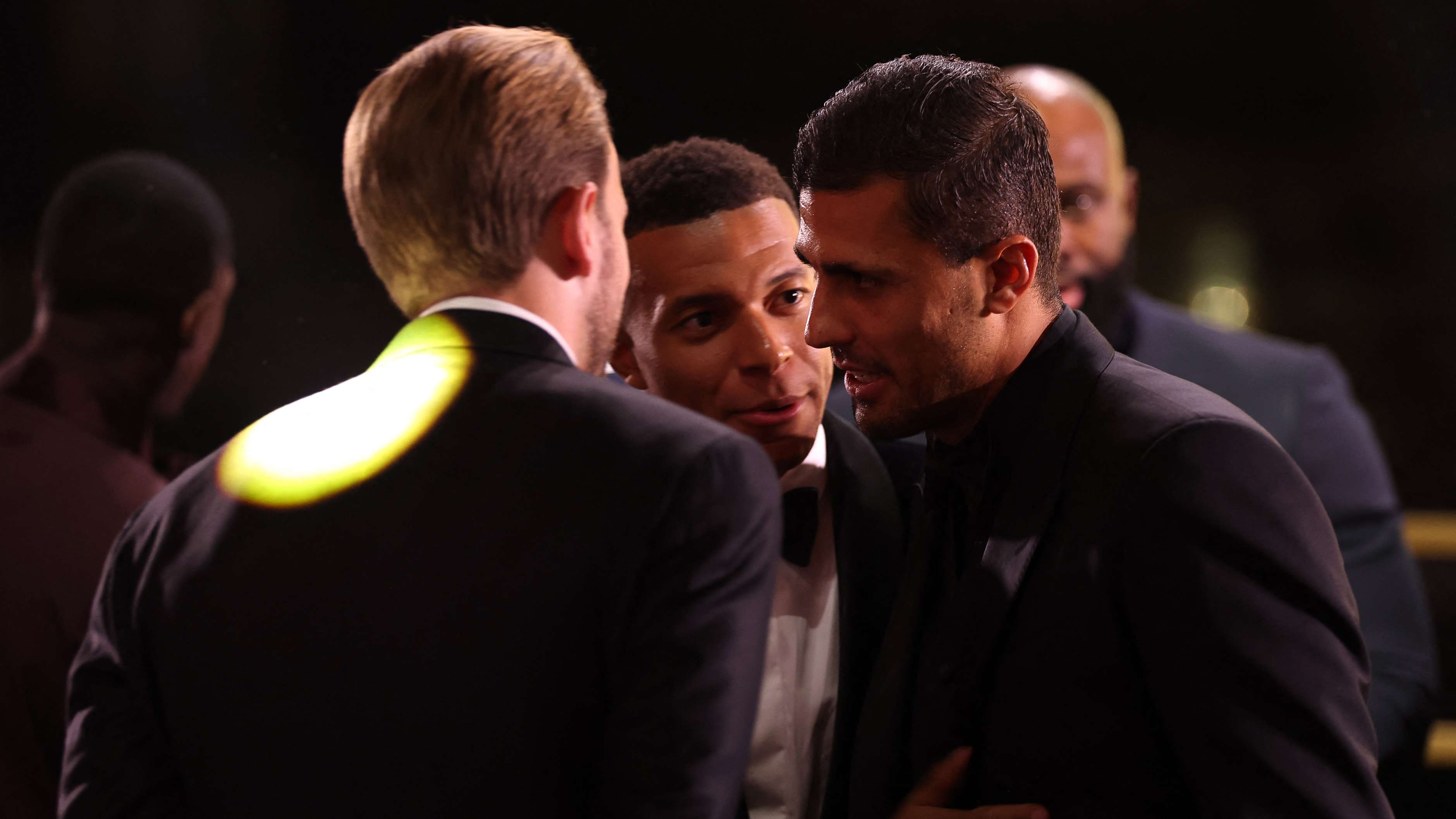
Harry Kane reportedly claimed the 2026 Ballon d’Or by the narrowest margin in the award’s history, ending a season-long contest that appeared to be Kylian Mbappé’s to lose. According to comments attributed to Vincent Garcia, editor-in-chief of France Football, Mbappé led the voting for much of the process before Kane moved ahead in the final count.
The reported result would mark a defining moment in Kane’s career. The England striker is said to have combined individual excellence with major team success, helping Bayern Munich win the Bundesliga while also producing influential performances in the Champions League and at the World Cup. Yet the outcome was far from certain: Mbappé remained a formidable contender, with young Spain star Lamine Yamal also in the conversation.
A vote decided at the finish
Garcia described the Kane-Mbappé contest as unusually tense, saying the gap between the leading players was even smaller than the 41-point difference between Rodri and Vinícius Júnior in 2024. That earlier margin had itself been viewed as exceptionally close, making the reported 2026 result a new benchmark for uncertainty in the Ballon d’Or race.
“Mbappé led for a very long time during the voting process,” Garcia said in remarks reported by Spanish outlet AS. “He was out in front for weeks, but Kane settled the matter in the end.” Garcia also praised Mbappé’s season, describing it as exceptional and stressing that the final contest between the two forwards was the fiercest the award had seen.
The account offers a reminder that Ballon d’Or voting is not simply a running tally of goals or trophies. Voters assess performances across a defined period, weighing individual influence, consistency, decisive moments and team achievements. A player can lead early in the discussion yet lose ground as the full season is considered, particularly when a rival finishes strongly or delivers success across several competitions.
Why Spain’s stars may have split the vote
Garcia also addressed why Spain’s World Cup-winning players may have failed to produce a single dominant candidate. He suggested that support was divided between Rodri and Yamal, with votes that might otherwise have gone to one player spread across both.
That explanation points to a recurring challenge in individual awards: a successful team can have several standout performers, making it harder for any one player to emerge as the clear choice. Spain’s reported triumph was built on collective strength, Garcia argued, rather than one player’s individual brilliance. In that context, voters may have struggled to separate the contribution of a midfielder such as Rodri from the creativity and attacking threat of Yamal.
The issue is especially relevant in football, where tournament success often depends on a balanced squad. A team’s best player may not always be its most visible, and a tournament’s defining moments can be shared among several players. That can leave a national side with a strong collective reputation but no unanimous Ballon d’Or favourite.
PSG’s campaign strategy under scrutiny
Garcia’s comments also raised questions about Paris Saint-Germain’s approach to the award campaign. Despite the club’s reported Champions League success, he argued that PSG could have done more to focus attention on Ousmane Dembélé as its leading candidate.
According to Garcia, PSG initially promoted several players and later narrowed its focus, creating a less consistent message than the one associated with Real Madrid’s support for Mbappé. He pointed to the reported final standings, in which Khvicha Kvaratskhelia finished sixth, Dembélé seventh and Fabián Ruiz tenth, as evidence that the club’s European success did not translate into a concentrated push for one player.
Such campaigning does not determine the result on its own: Ballon d’Or voters make their decisions based on performances, not club publicity. Still, a clear narrative can shape how a season is discussed. When a club has multiple stars, each player’s achievements may compete for attention, while a focused campaign can make one candidate’s case easier to understand.
What the reported result means for Kane and Mbappé
If confirmed, Kane’s reported victory would add a major individual honour to a season defined by silverware and high-level performances. It would also reinforce the idea that his influence extends beyond scoring: his movement, link-up play and ability to lead an attack have made him central to Bayern’s footballing identity.
For Mbappé, the reported second-place finish would be a painful near miss, but Garcia’s remarks underline how highly his season was rated. Leading the vote for weeks suggests that his case remained compelling throughout the process. In a contest decided by a minimal difference, the distinction between winning and finishing second may say as much about the strength of the field as it does about either player’s campaign.
The wider lesson is that a Ballon d’Or prediction can change dramatically as the season unfolds. Early momentum, trophy success, international performances and the way a team’s achievements are shared all influence the debate. In the reported 2026 race, Kane’s late surge, Mbappé’s sustained challenge and the divided support around Spain’s stars combined to create a result that Garcia described as unprecedented.
For supporters, the close finish is likely to fuel debate over what the award should value most: individual consistency, decisive performances or team success. Whatever the final interpretation, the reported contest between Kane and Mbappé has become a striking example of how fine the margins can be when football’s most prestigious individual prize is decided.