
Temba Bavuma’s Latest Injury Raises Questions Ahead of South Africa’s Test Challenges
South Africa will begin the second Test against Bangladesh in Centurion without captain Temba Bavuma, who has been ruled out with a calf strain. The match starts on Monday, and while Bavuma is expected to remain with the squad, he will not be available to play. Aiden Markram is likely to take over the captaincy, with Tony de Zorzi a leading option to replace Bavuma in the batting order.
The news is familiar enough to concern South African supporters. Bavuma has endured a series of hamstring, elbow and calf injuries during his time as captain, missing seven of the 23 Tests he could have played in that role. He was also unavailable for two matches in New Zealand in February 2024, when South Africa’s squad was affected by player commitments to the SA20 competition.
At 36, Bavuma is confronting the physical demands of a long career. He has played 538 matches across formats and levels since his Under-19 days. That workload, combined with recurring injuries, naturally raises questions about how much cricket his body can continue to handle. Yet the captain has made clear that he is focused on rehabilitation and returning to the team as soon as possible.
A setback after a strong performance
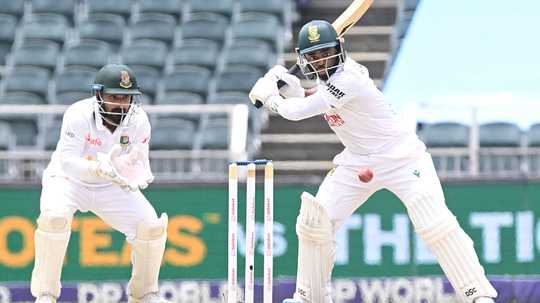
Bavuma’s latest injury occurred during the first Test at the Wanderers. He was batting on 68 on Tuesday when he felt discomfort in his calf and retired hurt. South Africa did not need him in the second innings, going on to secure a nine-wicket victory on Thursday.
The win was significant beyond the immediate series result. It strengthened South Africa’s position in the race to reach the next World Test Championship final, where the team will hope to defend the title it won last year. For Bavuma, seeing his side move closer to another major achievement offered little comfort while he was unable to contribute on the field.
“I’m frustrated that I find myself in this situation,” Bavuma said at a press conference. He added that managing injuries had become part of his cricketing life, but stressed that he was working through the current problem under the supervision of South Africa’s medical staff.
“I’m in the rehab process now and looking to be ready as soon as I can,” he said. Bavuma also described the break as an opportunity to take stock of his batting and consider what lies ahead, particularly with a demanding period of international cricket approaching in December and beyond.
Experience, perspective and a measured recovery
Bavuma acknowledged that repeated injuries can be mentally challenging. He has become accustomed to dealing with setbacks, he said, although that does not mean he expects to be injured every time he takes the field. His comments suggest a pragmatic approach: accept the frustration, follow the medical advice and focus on the next stage of recovery rather than speculate about the long-term future.
That perspective will matter as South Africa manage their captain’s return. A calf strain can affect running, quick singles and movement in the field, so a cautious rehabilitation plan is important. Rushing back too soon could risk aggravating the injury, especially with a high-profile home series against England on the horizon.
For now, the immediate prediction is that South Africa will have to adjust its leadership and batting combination for the Centurion Test. Markram is the likely captaincy choice, while de Zorzi could provide a fresh option in the top order. Both players bring different qualities, but replacing Bavuma is not simply a matter of filling a vacant position: his composure and experience have been central to the side’s recent success.
Bavuma’s influence as captain
Since making his Test debut in December 2014, Bavuma has scored more Test runs for South Africa than any other active player. His record has improved further under the captaincy, which he assumed in February 2023. In his first 16 Tests as leader, he has scored four of his five Test centuries and averaged 54.12.
South Africa have also enjoyed an impressive run of results with Bavuma in charge, recording 14 victories in those first 16 matches. That is more wins than any other Test captain managed in their opening 16 games at the helm. The figures underline why his absence matters, even when the team has capable replacements available.
Bavuma’s value is not limited to the runs he scores. He is known for patience at the crease, a quality that can help steady an innings when conditions are difficult or wickets fall quickly. His calm presence in the field and his understanding of the team’s plans are also important assets, particularly in a format where momentum can shift over several sessions.
England series adds urgency to the recovery
Bangladesh present a challenge in Centurion, but South Africa’s next major test may come against England. The teams are scheduled to play three Tests in South Africa in January and February, with the series beginning at the Wanderers in around four weeks. England are likely to pose a more substantial threat to South Africa’s hopes of defending their World Test Championship title.
That timetable gives Bavuma a clear target, although his return will depend on how his calf responds to treatment and rehabilitation. South Africa will want their captain fit for the England series, but the priority must be ensuring that he is ready to perform rather than merely available. His discipline and leadership could be especially valuable against a visiting side capable of applying pressure with both bat and ball.
In the short term, South Africa must prove they can maintain their momentum without him. The first Test victory has put the team in a strong position, and the squad’s depth should help cover his absence. Still, Bavuma’s injury is a reminder that even a successful side can be vulnerable when key players are repeatedly forced out of action.
There is no clear prediction yet for the exact timing of Bavuma’s return. What is evident is that he remains committed to the team and determined to work through another setback. His relationship with South African cricket has been shaped by resilience: the team benefits from his leadership, while the captain draws strength from the group he has helped guide. If his recovery proceeds well, both will be eager to reunite on the field for the challenges ahead.