
Tebas Calls for FIFA President’s Removal
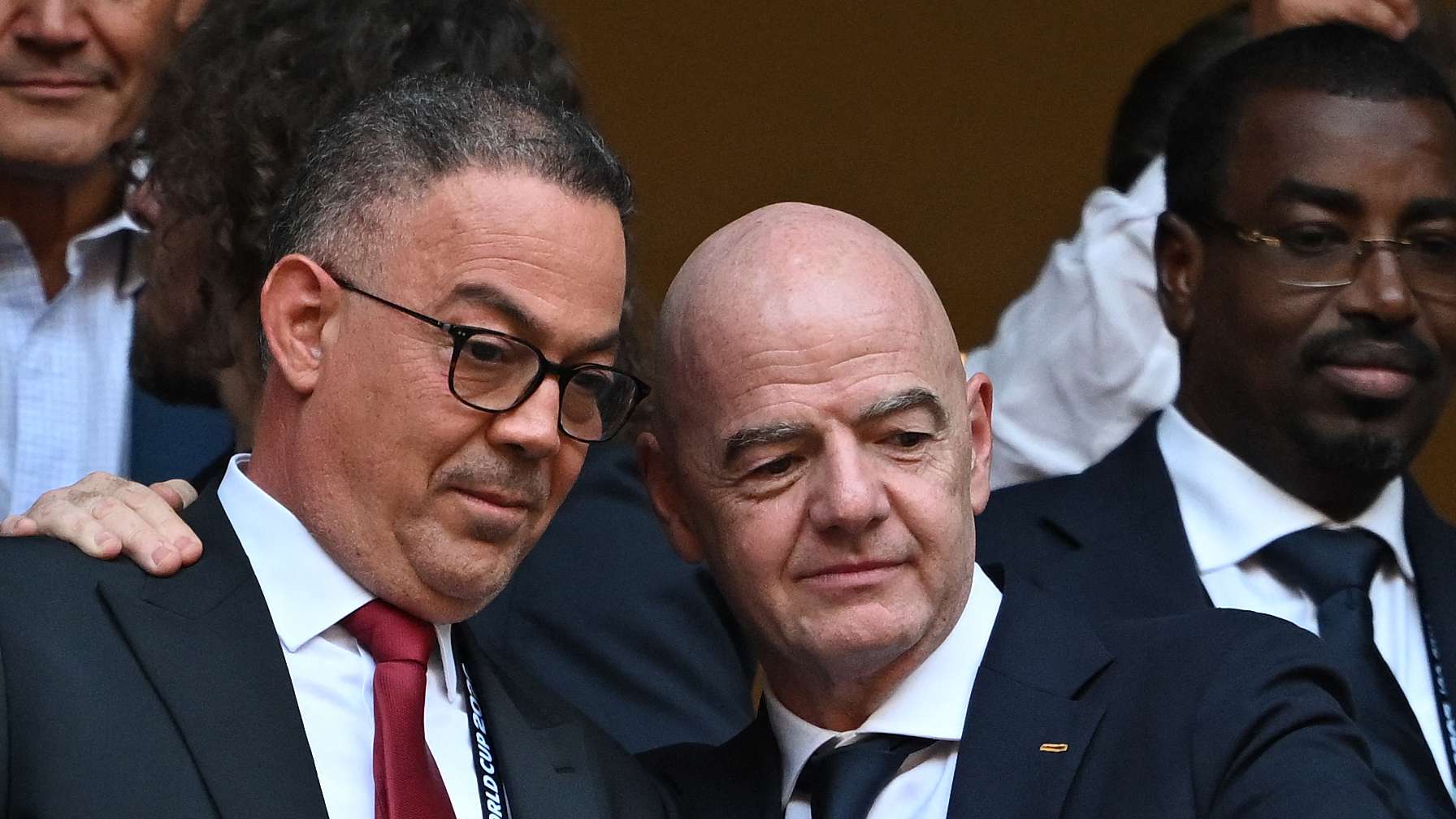
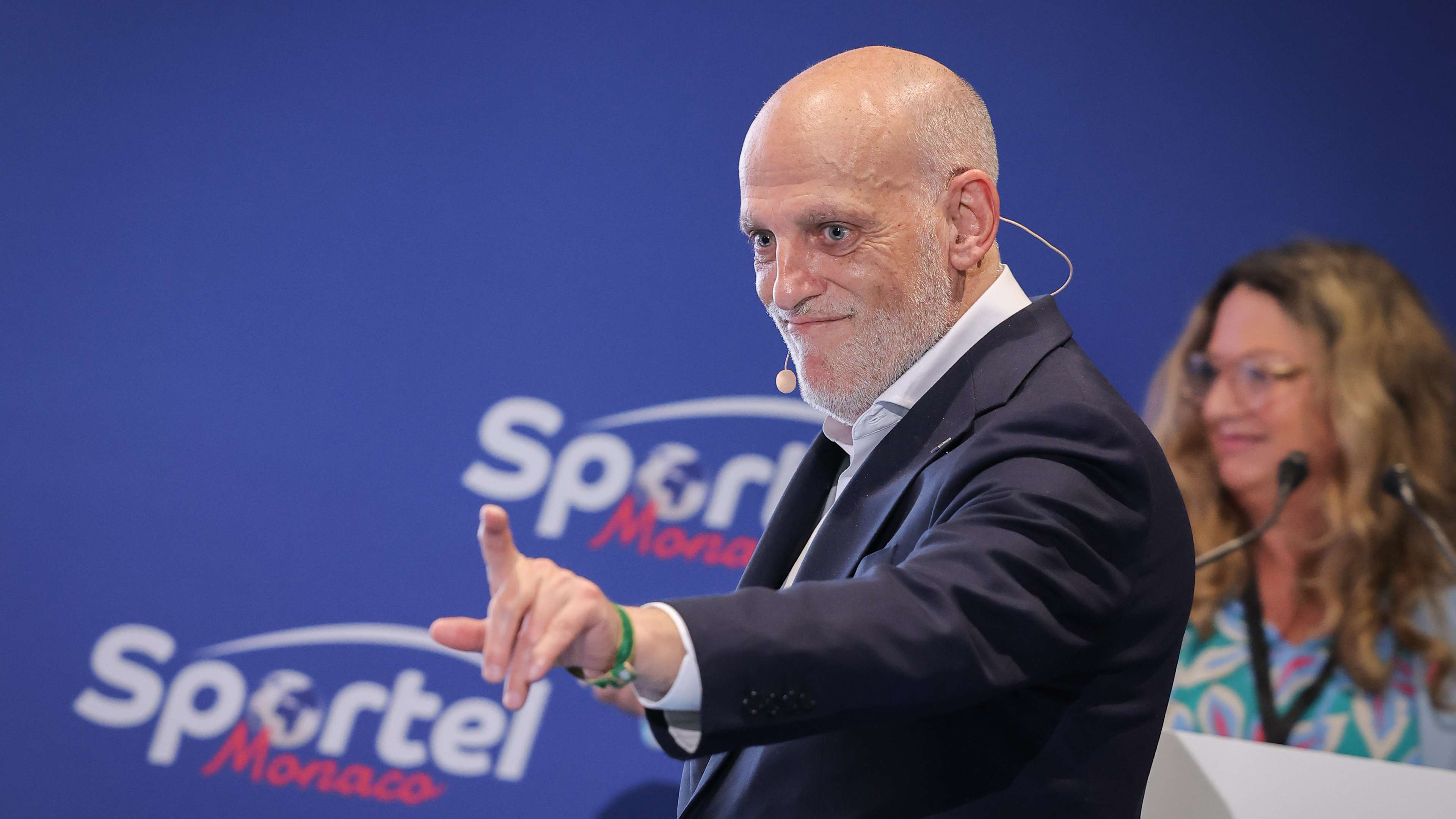
The President of La Liga, Javier Tebas, has made a bold statement calling for the ousting of FIFA President Gianni Infantino. Tebas believes that the recent decision by FIFA to scrap the plan to sell stakes in its competitions is not enough to address the governance crisis that has been plaguing the international football body.
Criticism from Tebas
Tebas took to his official platform to express his concerns, stating that “Infantino should not continue.” While acknowledging the withdrawal of the proposal to privatize FIFA competitions as a positive development, Tebas argued that the fundamental issues within the organization still remain unresolved.
According to Tebas, various aspects of FIFA’s governance have been called into question, including political interventions leading to the withdrawal of red cards, investigations in the US Congress over serious allegations against Infantino, and the handling of corruption cases within FIFA. Additionally, Tebas criticized the high ticket prices for World Cup matches and unilateral decisions made regarding competition formats and scheduling without proper consultation.
Call for New Leadership
Tebas emphasized that the problem lies in FIFA’s governance model, which he believes concentrates power, limits checks and balances, and ignores the input of stakeholders directly impacted by decisions. He argued that a change in leadership is necessary to modernize governance, restore institutional credibility, and ensure that future decisions are made collaboratively after considering their sporting, economic, and social implications.
He concluded his statement by warning that the withdrawal of a single proposal does not erase the underlying issues within FIFA, suggesting that there is more to be addressed beyond the surface.
Implications for World Football
Tebas’ call for Infantino’s removal has significant implications for the world of football. As the head of La Liga, one of the most prestigious football leagues globally, Tebas carries influence and credibility within the sport. His public criticism of FIFA’s governance under Infantino sheds light on the need for transparency, accountability, and inclusivity in the decision-making processes of international football governing bodies.
As the debate surrounding FIFA’s leadership continues, stakeholders in the football community are likely to pay close attention to the developments and potential changes that may arise in the near future.
Keywords: football, prediction, FIFA, governance crisis, leadership, stakeholders
Current State of FIFA Governance
Since the inception of FIFA, the organization has faced numerous challenges related to governance and transparency. Scandals such as the corruption charges against several high-ranking officials rocked the football world and led to calls for sweeping reforms. Gianni Infantino’s election as FIFA President in 2016 was seen as a fresh start for the organization, promising to clean up its image and restore trust among stakeholders.
However, Tebas’ recent criticisms highlight that the governance issues within FIFA are far from resolved. The lack of accountability, alleged political interventions, and unilateral decision-making processes raise concerns about the organization’s ability to operate in the best interest of the sport. The need for a more inclusive and transparent governance structure is paramount to ensure that FIFA can fulfill its mission of promoting and developing football globally.
Role of Stakeholders in Football Governance
Stakeholders play a crucial role in shaping the governance of football organizations like FIFA. These include players, clubs, national associations, sponsors, and fans, among others. Their input and feedback are essential for creating a governance model that reflects the diverse interests and values of the football community. By involving stakeholders in decision-making processes, FIFA can ensure that its policies and initiatives are aligned with the needs and aspirations of those directly impacted by its actions.
Transparency and accountability are key principles that should guide FIFA’s interactions with stakeholders. Open communication channels, regular consultations, and mechanisms for feedback are essential for building trust and fostering collaboration within the football ecosystem. By engaging with stakeholders in a meaningful way, FIFA can address their concerns, incorporate their perspectives, and make informed decisions that benefit the entire football community.
Future Predictions for FIFA Governance
Looking ahead, the future of FIFA’s governance will likely be shaped by ongoing calls for reform and accountability. As more voices within the football community speak out against the current leadership and governance practices, pressure will mount on FIFA to address these concerns and implement meaningful changes. The outcome of this debate could have far-reaching implications for the organization’s credibility, reputation, and ability to govern the sport effectively.
It is possible that FIFA will undertake a review of its governance structures, policies, and decision-making processes in response to the growing calls for reform. This could involve the establishment of independent oversight mechanisms, increased transparency measures, and enhanced stakeholder engagement strategies. By embracing these reforms, FIFA can demonstrate its commitment to good governance, integrity, and accountability, setting a positive example for other sports organizations around the world.
Conclusion
In conclusion, Javier Tebas’ call for the removal of FIFA President Gianni Infantino reflects broader concerns about governance, leadership, and stakeholder engagement within international football. As the debate over FIFA’s future unfolds, it is essential for the organization to listen to the voices of its stakeholders, address their grievances, and work towards a more transparent and inclusive governance model. By doing so, FIFA can uphold its mandate to promote and protect the game of football while earning the trust and respect of the global football community.