
Javier Tebas Criticizes Gianni Infantino Over FIFA’s Recent Moves
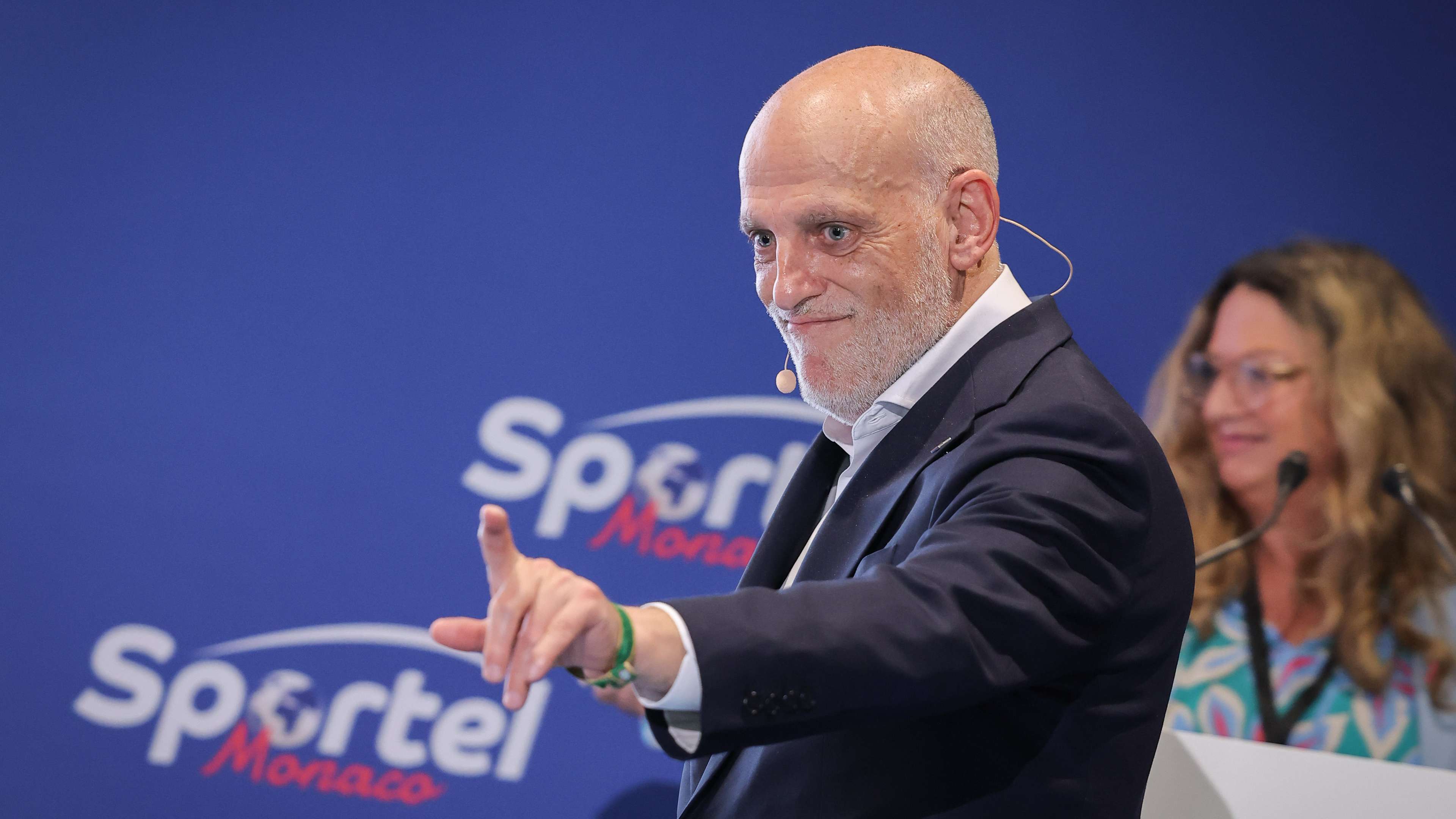
The president of LaLiga, Javier Tebas, has launched a scathing attack on Gianni Infantino, the president of FIFA, over recent decisions made by the international governing body of football. The controversy surrounds FIFA’s actions regarding its commercial rights and competitions, which have sparked outrage across Europe.
Accusations of Political Interference
In a public statement, Tebas accused Infantino of political interference and questioned the transparency of FIFA’s decision-making process. He highlighted concerns over FIFA’s dropping of charges against former members convicted of corruption, prompting scrutiny from the US Congress.
Tebas expressed his dissatisfaction with FIFA’s plan to involve private sector investors in its rights and competitions, accusing Infantino of using development funds to buy votes and silence opponents. He emphasized that FIFA’s competitions and commercial rights should not be treated as the personal property of its president.
Challenge to FIFA’s Governance
Tebas concluded his message with a strong condemnation of Infantino’s leadership, stating that mixing politics, discipline, money, and influence without transparency is not conducive to effective governance. He asserted that Infantino is not the solution to FIFA’s governance issues but rather the root of the problem.
European Backlash
The criticism from Tebas comes amid growing controversy over FIFA’s plans to establish a new investment entity to attract private funding for its commercial rights. The situation has escalated to the point where some European nations are considering boycotting the World Cup in protest against Infantino’s leadership style and the direction in which he is taking the international federation.
Reports suggest that there is significant unrest within UEFA, the governing body for European football, with concerns mounting over FIFA’s increasing reliance on private investors. The tension between UEFA and FIFA has raised doubts about the future of international football competitions and the relationships between the various football associations.
Call for Transparency and Accountability
Tebas’s criticism highlights the need for transparency, accountability, and fair governance within FIFA to ensure the integrity of the sport and protect the interests of all stakeholders. The controversy surrounding FIFA’s recent moves underscores the importance of upholding ethical standards and maintaining the trust of the football community.
As the debate over FIFA’s commercial rights and competitions continues to unfold, the pressure on Gianni Infantino to address the concerns raised by Javier Tebas and other critics is likely to intensify. The future of international football governance hangs in the balance as stakeholders grapple with conflicting visions for the direction of the sport.
The Impact of FIFA’s Recent Moves on Global Football
The rift between Javier Tebas and Gianni Infantino sheds light on the broader implications of FIFA’s recent decisions on the global football landscape. The accusations of political interference and lack of transparency raise concerns about the governance of the sport at the international level. With FIFA being the overarching body responsible for overseeing football worldwide, its actions have far-reaching consequences that extend beyond Europe.
Global Ramifications of FIFA’s Commercialization Strategy
While the focus has primarily been on the European backlash against FIFA’s commercialization strategy, the impact is felt across continents. The shift towards involving private sector investors in FIFA’s commercial rights and competitions could have profound effects on the distribution of wealth within football, potentially favoring wealthy clubs and nations at the expense of smaller, less financially secure entities.
Furthermore, the increasing reliance on private investors raises questions about the autonomy and independence of football associations around the world. If FIFA’s decisions are perceived as being driven by commercial interests rather than the best interests of the sport, it could erode trust in the governing body and lead to a fracturing of the global football community.
The Need for Ethical Governance in Football
The criticism from Tebas underscores the importance of ethical governance in football to uphold the integrity of the sport. Transparency and accountability are essential to ensure that decisions made by FIFA are fair and in the best interest of all stakeholders, including players, clubs, and fans. Without a strong ethical framework guiding its actions, FIFA risks losing credibility and legitimacy in the eyes of the footballing world.
Challenges to FIFA’s Leadership and Future Direction
As the debate over FIFA’s commercial rights and competitions continues, the pressure on Gianni Infantino to address the concerns raised by Tebas and others will only intensify. The future of international football governance hangs in the balance, with competing visions for the direction of the sport creating division and discord within the football community.
Ultimately, the outcome of this conflict will shape the future of football on a global scale. Whether FIFA can navigate these challenges and regain the trust of its stakeholders remains to be seen. What is certain is that the decisions made by FIFA in the coming months and years will have a lasting impact on the sport and its followers around the world.
By delving deeper into the implications of FIFA’s recent moves on global football, it becomes evident that the controversy surrounding the governing body goes beyond regional conflicts and highlights fundamental issues of governance, ethics, and transparency that are crucial for the future of the sport.