
Egypt Coach Hossam Hassan Dismissed as FA Turns to Ali Maher
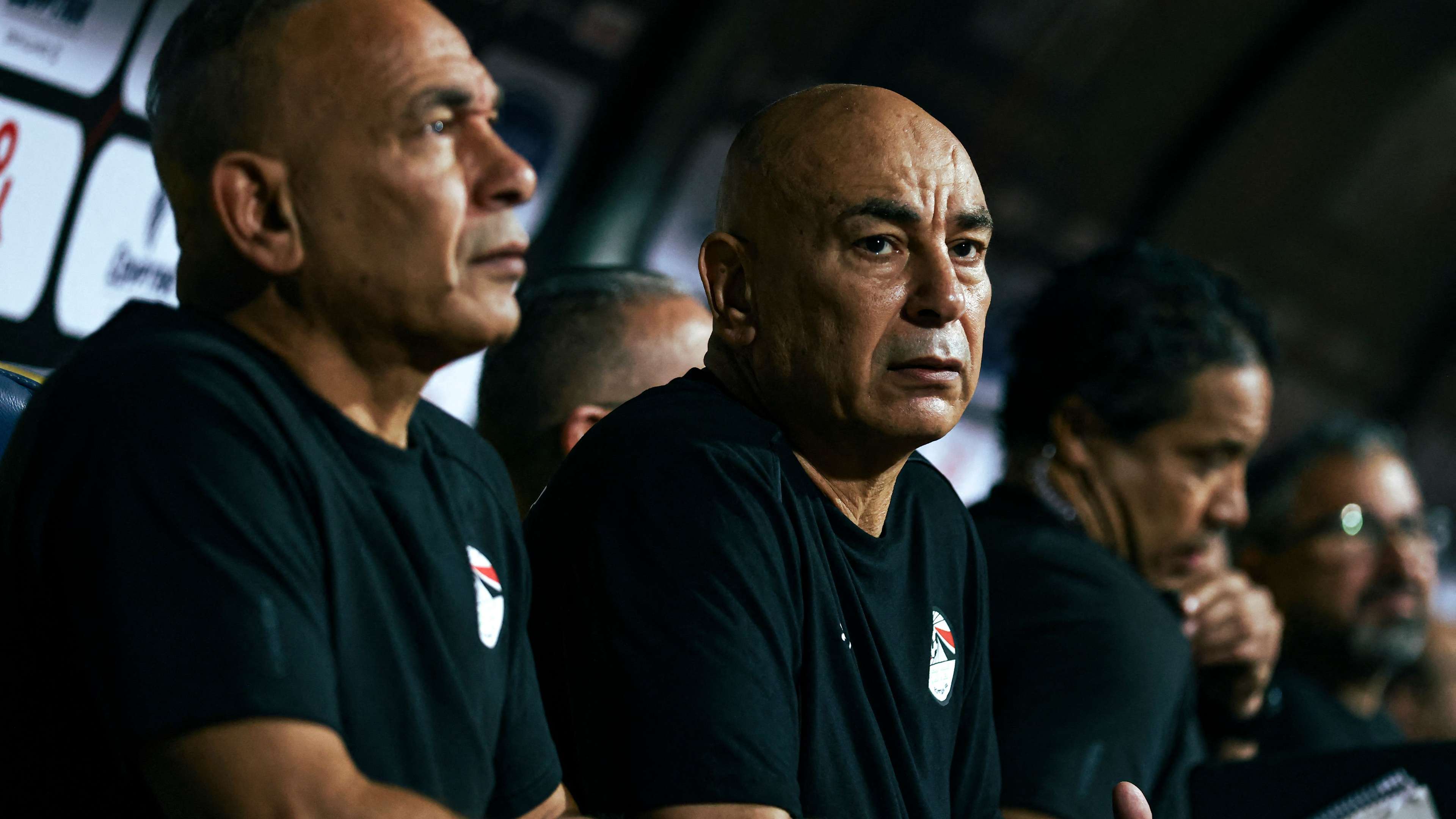
Egypt’s football leadership has made a sudden change on the touchline, dismissing head coach Hossam Hassan and appointing Ali Maher ahead of the national team’s November camp. The decision has raised questions about the timing of the move, particularly because Hassan’s contract had reportedly been extended until 2030 only two months earlier.
Mustafa Abu Zahra, a board member of the Egyptian Football Association (EFA), has since spoken about the decision and offered insight into the work carried out by Hassan and his coaching staff. While the dismissal marks the end of Hassan’s latest spell in charge, Abu Zahra’s comments suggest the federation recognises the achievements and positive moments delivered during his tenure.
Abu Zahra Pays Tribute to Hassan’s Work
Abu Zahra praised Hassan and his staff for their contribution to Egypt’s national team, highlighting the effort that took place both in public view and behind the scenes. His remarks offered a more appreciative tone than might be expected after a high-profile coaching departure, especially one announced so soon after a contract extension.
The EFA board member also pointed to the memorable periods Egypt experienced under Hassan. He placed particular emphasis on the team’s achievements connected to the World Cup, describing them as an important part of the coach’s record. The comments indicate that the federation’s decision should not be read as a rejection of everything Hassan accomplished with the Pharaohs.
In international football, a coach’s tenure is often judged through a mix of results, performances, squad development and expectations surrounding major tournaments. Hassan’s time in charge brought moments that supporters and officials can look back on positively, even as the federation has opted to begin a new chapter.
A Sudden Change Before the November Camp
The timing is central to the story. Egypt are preparing for two Africa Cup of Nations qualification fixtures in November, leaving the newly appointed Ali Maher with limited time to settle into the role and shape the team’s immediate plans. A change in leadership shortly before a national-team camp can affect preparation, selection discussions and the tactical approach players are asked to follow.
Egypt are scheduled to face Malawi on 14 November 2026 at 04:00, before taking on another opponent on 17 November at 21:00. These matches will provide Maher with his first opportunity to guide the team in a competitive setting and will quickly place the focus on results as well as performance.
For the players, the transition means adapting to a new coach’s instructions during a short international window. Maher will need to assess the squad, communicate his priorities and maintain continuity where possible. With qualification points at stake, there may be little room for a lengthy adjustment period.
Why the Contract Extension Raises Questions
Hassan’s reported contract extension until 2030 makes his dismissal particularly striking. Long-term deals are commonly intended to offer a coach stability and time to build a team, but they do not always guarantee that the relationship will continue if the federation’s plans change. In this case, the short gap between the extension and the decision to remove him has naturally prompted discussion among Egyptian football followers.
Abu Zahra’s tribute may help clarify the distinction between recognising Hassan’s past work and deciding that a different approach is now required. A federation can value a coach’s achievements while still believing that a change is necessary for upcoming matches or broader objectives. However, the available comments do not provide a detailed explanation of the specific factors behind the dismissal.
That leaves supporters watching for further information about the EFA’s reasoning, including whether the decision followed a review of recent performances, internal discussions about the team’s direction, or changing expectations for the qualification campaign. Until more details emerge, the appointment of Maher is the clearest indication of the federation’s immediate priorities.
Ali Maher’s First Challenge with the Pharaohs
Maher inherits a national side with significant expectations. Egypt’s status in African football means that every coaching change attracts close attention, and the team’s supporters will want to see both competitive results and a clear plan. His first camp will be important not only for the qualification table but also for establishing confidence among the squad.
A new coach can bring fresh ideas, renewed competition for places and a different tactical structure. At the same time, rapid changes carry risks. Players may need to adjust to unfamiliar roles, while preparations can be disrupted if the new staff have little time to work with the group. Maher’s challenge will be to introduce his approach without losing the strengths developed under Hassan.
The upcoming fixtures could therefore offer an early indication of how smoothly Egypt can manage the transition. Strong performances would help build momentum and ease concerns about the timing of the coaching change. A difficult start, by contrast, could intensify scrutiny of the EFA’s decision and revive debate about Hassan’s sudden departure.
Egypt Football Prediction: What to Watch Next
Any football prediction for Egypt’s November campaign must account for the uncertainty created by the coaching switch. The squad’s quality and experience remain important factors, but Maher’s ability to organise the team quickly may prove just as significant. Supporters will be looking for disciplined defending, effective use of possession and a clear attacking plan rather than relying on reputation alone.
The Malawi match on 14 November is expected to be a major test of how quickly the players respond to Maher’s leadership. The second fixture, scheduled for 17 November, will then give the new coach a chance to make adjustments based on what he sees in the opening game. Together, the two contests could shape the early narrative of his tenure.
For now, the EFA’s message is two-sided: Hassan’s work and the team’s notable achievements have been acknowledged, but Egypt are moving forward with a new coach. Maher’s immediate task is to turn that change into stability on the pitch. As the November camp approaches, attention will shift from the circumstances of Hassan’s dismissal to whether Egypt can maintain its qualification momentum under new leadership.