
Jules Koundé Defends His Choice to Post in English, French and Spanish
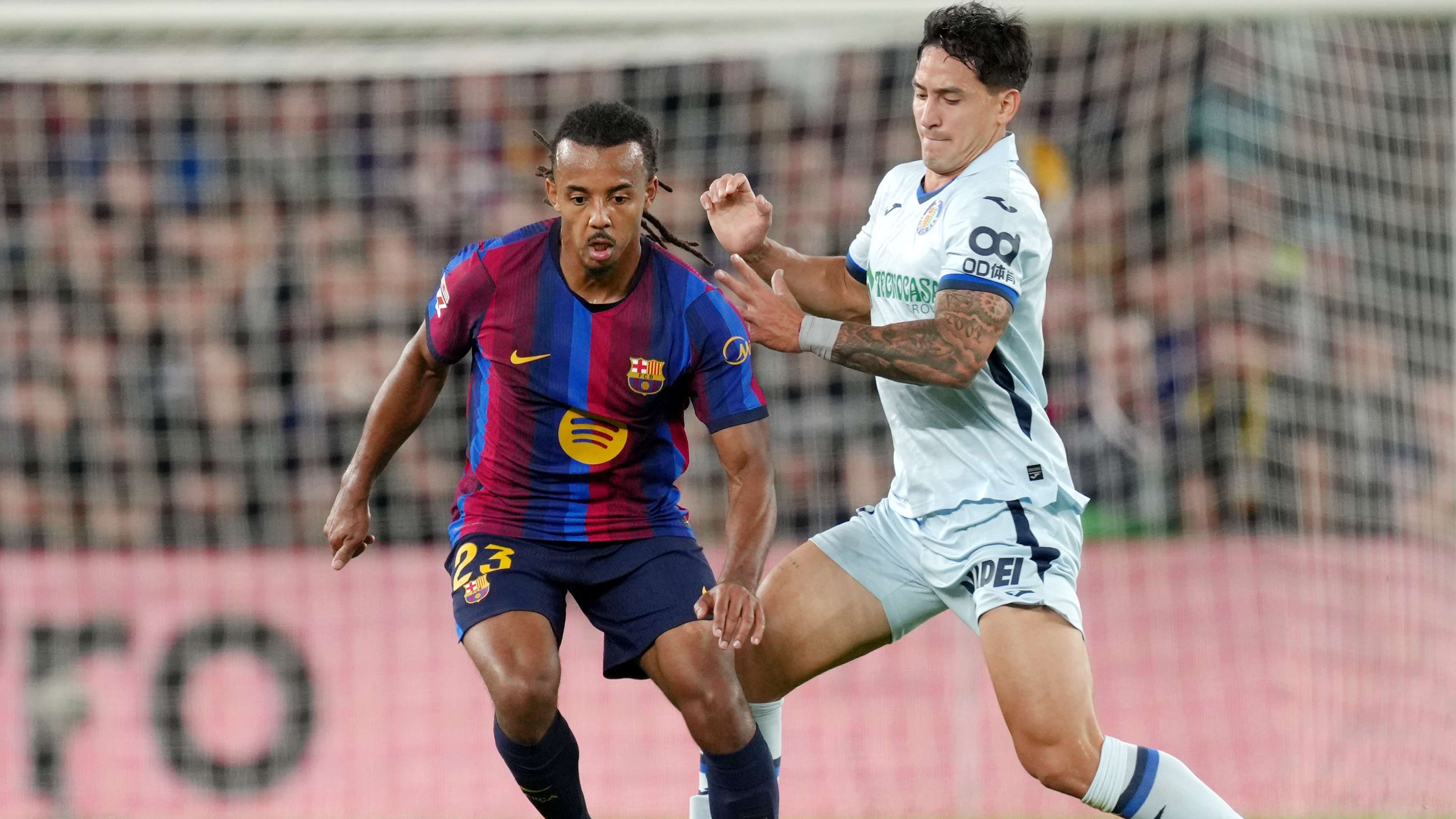
Barcelona and France defender Jules Koundé has responded to criticism from French social media users who object to his use of English online. The football star says he receives such messages regularly, but has no intention of limiting himself to one language. Instead, he plans to continue communicating in French, English and Spanish.
The discussion began after a Snapchat user reportedly told Koundé: “Stop trying to make us English speakers.” The defender answered publicly, explaining that the complaint was not new and that he wanted to address the subject directly. His response turned a brief exchange into a wider conversation about language, culture and the expectations placed on public figures.
“I receive messages like this often”
Koundé said he often hears from people who disapprove when he writes in English. In his reply, he urged French speakers not to treat the language as a threat or assume that using it means rejecting their own culture.
“It’s time for the French to stop feeling offended or developing an inferiority complex towards people who speak English,” he said, according to reports. Koundé added that English is widely used around the world and has a strong presence across industries that interest him, including cinema, music and business.
He also explained that his use of English reflects a personal effort to learn and engage with those fields. Rather than presenting the language as a replacement for French, Koundé described it as another way to connect with the people and ideas that influence him.
A multilingual approach to social media
The defender made clear that he intends to keep switching between languages. “So I’ll keep alternating between French, English and Spanish too,” he said, adding that followers would have to accept his choice.
That approach is unsurprising for a player whose career crosses national and linguistic boundaries. Koundé represents France internationally and plays for Barcelona, where Spanish and Catalan are part of everyday life. English, meanwhile, is widely used in international football coverage, sponsorship and communication between supporters from different countries.
For professional athletes, social media is more than a place to share match-day photographs. It is also a direct channel to fans, brands and audiences around the world. Posting in several languages can help a player communicate with a broader community, while allowing different groups of followers to engage with the same person in a way that feels familiar to them.
Why Koundé’s comments have drawn attention
The exchange reflects a wider debate over language and identity in France. French is a major international language with a rich cultural history, and many people take pride in protecting its place in public life. At the same time, English has become a common language in global entertainment, technology, sport and commerce. For younger audiences in particular, moving between languages online is often an ordinary part of daily communication.
Koundé’s message does not suggest that French should be abandoned. Instead, he argues that speaking English need not be interpreted as a rejection of French identity. His position is that people can value their native language while also learning and using others.
The distinction matters in an age when public figures are expected to speak to international audiences while remaining closely connected to their home communities. A post written in English may reach fans outside France, while a French message can preserve a direct connection with supporters at home. Spanish gives Koundé another way to communicate within the environment of his club and the wider football world.
Footballers as global communicators
Football has become one of the world’s most international sports. Players routinely move between countries, work with teammates from different backgrounds and build fan bases far beyond their place of birth. Their online presence reflects that reality, with multilingual posts often helping them connect across borders.
For Barcelona supporters, Koundé’s use of Spanish may feel natural given his club career. French fans, meanwhile, may prefer seeing messages in their own language. English can serve as a common option for followers who do not speak either language fluently. There is no single approach that will satisfy every audience, which is why many athletes choose to alternate between languages.
That choice can also shape how fans perceive a player. Some followers see multilingual communication as a sign of openness and curiosity; others may view it through the lens of national identity. Koundé’s response suggests he is comfortable with that tension and does not intend to let criticism dictate how he communicates.
What the exchange means for Koundé and Barcelona
The disagreement is a social media issue rather than a football controversy, and it does not appear to affect Koundé’s role at Barcelona or with the France national team. Still, it has given the defender a chance to explain how he views language and the pressures that can come with being a prominent athlete.
His comments also offer a reminder that a footballer’s public image extends beyond performances on the pitch. Supporters follow players for their goals, defending and tactical contributions, but they also pay attention to their opinions, habits and online interactions. A short reply can therefore become a much larger talking point, especially when it touches on culture and identity.
For fans looking ahead to Barcelona’s next fixtures, the exchange is unlikely to change any football prediction about the team’s prospects. Koundé’s focus remains on his responsibilities as a defender, while his social media language is a personal choice. The episode does, however, show how quickly a conversation about a player’s posts can develop into a broader debate about global culture.
Koundé’s position is straightforward: he enjoys learning and speaking different languages, and he plans to continue doing so. Whether his followers prefer French, English or Spanish, the defender has made clear that he sees multilingual communication as an opportunity—not a compromise.