
The 2030 World Cup Hosting Crisis: European Withdrawal and Arab Country Standoff
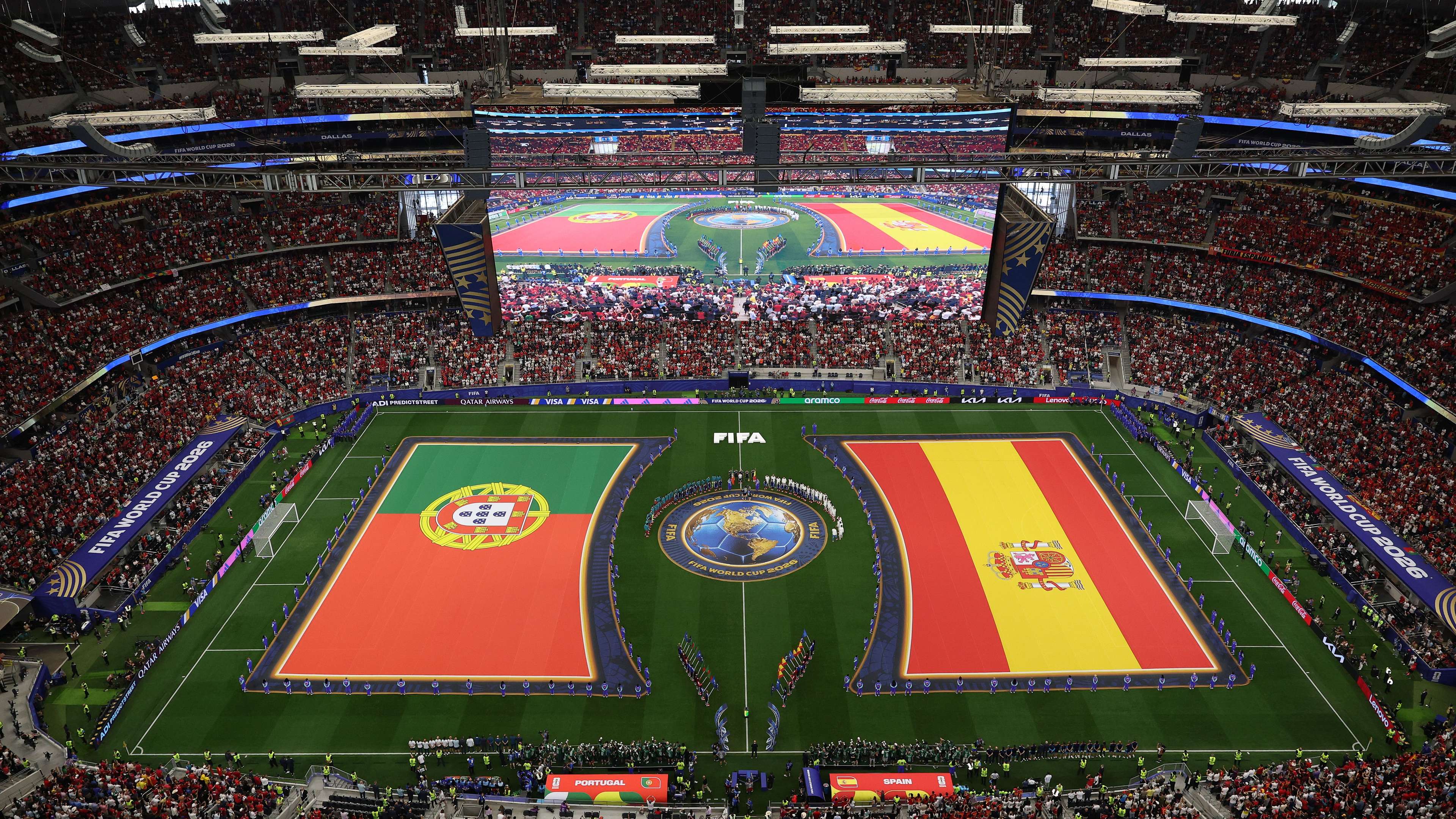
The upcoming 2030 World Cup, set to be hosted by Spain, Portugal, and Morocco, is facing a cloud of uncertainty due to a heated dispute between FIFA and UEFA. The disagreement stems from FIFA President Gianni Infantino’s proposal to establish a new commercial company, FIFA Forward Enterprise, and sell a portion of its shares to private investors. This move has sparked opposition from various continental confederations, raising concerns about the future of the World Cup.
The FIFA Forward Enterprise Plan
Under the proposed plan, FIFA aims to manage the commercial rights of their tournaments, including the World Cup, through a subsidiary company valued at approximately $20 billion. The sale of 20% of its shares is expected to generate around $4.2 billion, with the intention of increasing funding for national associations. Despite the financial benefits outlined by FIFA, many football bodies believe the project infringes on the governance of the game and its tournaments.
UEFA’s Defiance
UEFA has taken a firm stance against the project, with all 55 national associations under its umbrella supporting the rejection. In a statement, UEFA declared that no national teams affiliated with them would participate in FIFA tournaments as long as the proposal remains in place. This refusal could jeopardize the future of the World Cup, as European teams are integral to the competition’s success both in terms of sporting prowess and commercial appeal.
Implications for the 2030 World Cup
The ongoing crisis has cast a shadow over the 2030 World Cup, even though the event is still several years away. If the dispute persists, Spain and Portugal, as UEFA members, may opt out of FIFA tournaments, potentially impacting the hosting of the World Cup. The absence of European teams could significantly diminish the tournament’s value and prestige.
On the other hand, Morocco, a non-European partner in hosting the World Cup, presents a unique situation. As a member of the Confederation of African Football (CAF), Morocco has not explicitly rejected the FIFA Forward Enterprise plan. CAF plans to convene a meeting to evaluate the initiative, potentially creating further complications in the organization of the tournament.
Future Uncertainty
The standoff between FIFA and UEFA, coupled with the uncertain stance of CAF, has thrown the 2030 World Cup into turmoil. The potential withdrawal of European teams and the lack of consensus among hosting nations could reshape the tournament’s landscape. As the debate rages on, the fate of the World Cup hangs in the balance, with key decisions looming on the horizon.
Stay tuned for more updates on the evolving situation surrounding the 2030 World Cup hosting crisis.
Challenges Faced by FIFA and UEFA
The clash between FIFA and UEFA over the establishment of the FIFA Forward Enterprise has highlighted deeper issues within the governance of international football. UEFA’s resistance to the commercialization of the World Cup reflects concerns about the prioritization of financial gains over the integrity and traditions of the sport. The autonomy of football’s governing bodies and their ability to make decisions in the best interest of the game are being put to the test in this high-stakes dispute.
Global Ramifications of the Conflict
Beyond the immediate impact on the 2030 World Cup, the rift between FIFA and UEFA has the potential to reverberate across the global football landscape. The World Cup is the pinnacle of international football, bringing together nations from every corner of the globe. The absence of European powerhouses in the tournament could not only diminish its competitiveness but also affect the overall viewership and commercial appeal of the event.
Furthermore, the involvement of Morocco as a co-host adds complexity to the situation. As the only non-European country in the hosting consortium, Morocco’s position within the CAF and its potential alignment with FIFA’s plans could shift the balance of power within the tournament. The geopolitical dynamics at play in this dispute underscore the interconnected nature of football as a global phenomenon.
Resolution and Path Forward
As negotiations between FIFA, UEFA, and other confederations continue, finding a resolution to the conflict is paramount to ensure the success and integrity of the 2030 World Cup. Dialogue and compromise will be essential in addressing the concerns raised by all parties involved. The future of the World Cup hinges on a collaborative effort to uphold the spirit of the game while also adapting to the evolving landscape of sports governance and commercial interests.
Looking Ahead to the 2030 World Cup
Despite the current challenges and uncertainties surrounding the 2030 World Cup, football fans around the world remain hopeful for a positive outcome. The anticipation of witnessing the best teams compete on the world stage is a driving force that transcends politics and commercial interests. As the tournament approaches, the focus will be on the spirit of unity and celebration that the World Cup embodies, reminding us all of the power of football to bring people together.
As developments unfold and decisions are made leading up to the 2030 World Cup, the global football community will be watching closely, eager to see how this unprecedented hosting crisis is resolved. Stay tuned for more updates on this evolving story as the world prepares for a potentially transformative chapter in the history of the beautiful game.