
South Korea’s Head Coach Hong Myung-bo Resigns After Disappointing World Cup Exit
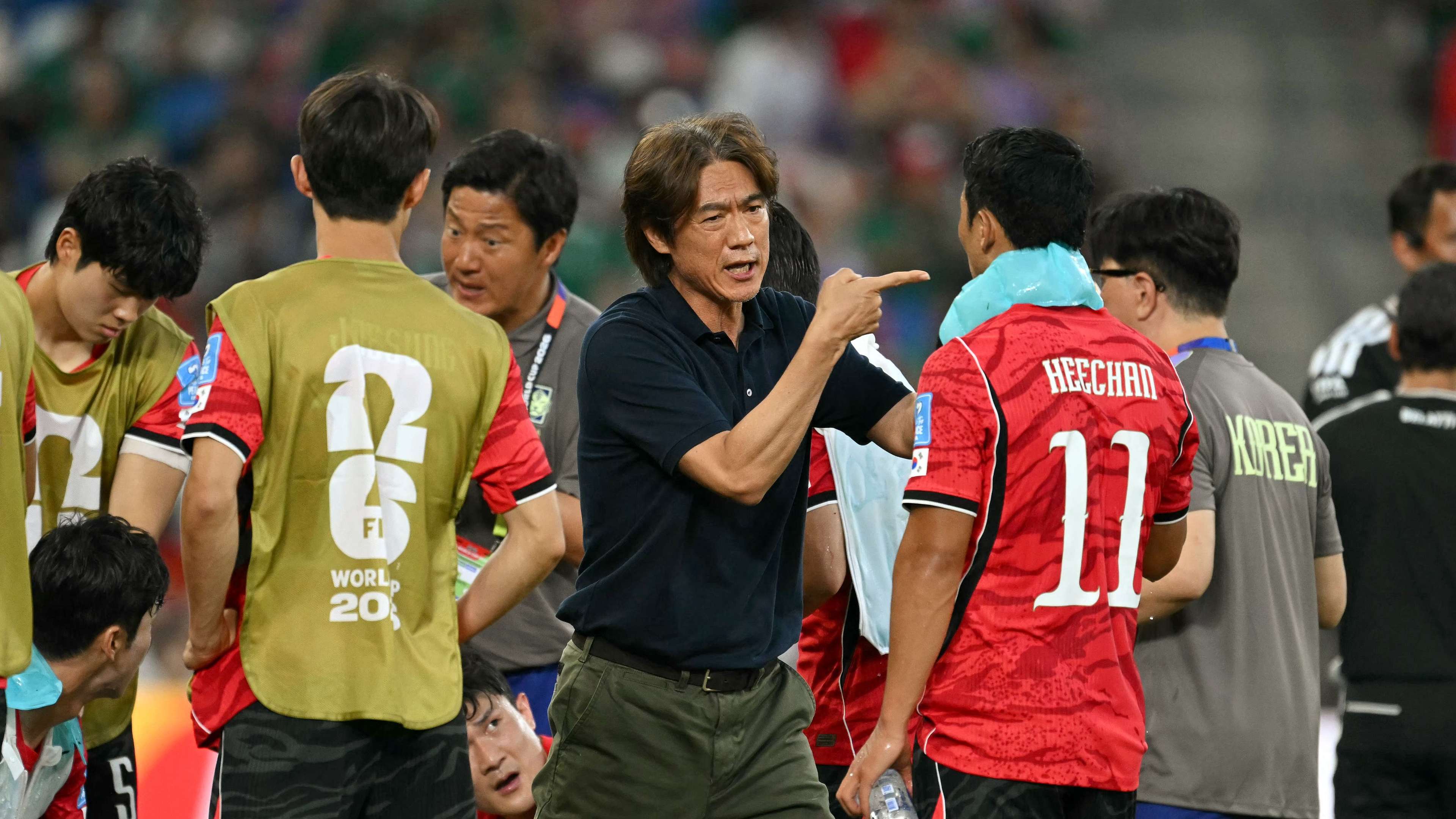
South Korea’s national football team is facing a major shakeup as head coach Hong Myung-bo has announced his resignation following the team’s disappointing exit from the 2026 World Cup. The decision comes amidst increasing political pressure, with President Lee Jae Myung calling for a formal inquiry into the team’s performance in North America.
Pressure Mounts on South Korea’s Football Team
Despite high hopes and expectations leading into the tournament, South Korea’s national team failed to advance past the group stage of the World Cup. This early exit has led to widespread disappointment among fans and critics alike, prompting calls for accountability within the team’s coaching staff.
Hong Myung-bo, a former player who represented South Korea in four World Cups, took on the role of head coach in 2024 with the goal of leading the team to success on the international stage. However, after two years at the helm, the team’s lackluster performance in the recent World Cup has raised questions about his leadership and tactical decisions.
Political Fallout Over World Cup Performance
President Lee Jae Myung has not shied away from expressing his dissatisfaction with the national team’s performance, going as far as calling for a formal inquiry into the reasons behind their early exit from the tournament. This move has added political pressure on the team and its coaching staff, leading to Hong Myung-bo’s decision to step down from his position.
The president’s involvement in the aftermath of the World Cup exit has sparked debate and speculation about the future of football in South Korea. Many believe that structural changes and improvements are needed to ensure the country’s success on the international stage, with a focus on developing young talent and implementing strategic reforms within the football association.
Looking Ahead: The Search for a New Head Coach
With Hong Myung-bo’s resignation, South Korea is now faced with the task of finding a new head coach to lead the national team. The search for a suitable candidate will likely involve thorough consideration of both domestic and international options, with an emphasis on experience, tactical acumen, and a proven track record of success.
As the country reflects on its World Cup disappointment and looks towards the future, there is a sense of urgency and determination to rebuild and revitalize the national team. The upcoming months will be crucial in shaping the direction of South Korean football and ensuring that the team is well-prepared for future international competitions.
In conclusion, the resignation of Hong Myung-bo as head coach of South Korea’s national football team marks a turning point in the country’s footballing journey. As the search for a new coach begins, all eyes will be on the team’s progress and development in the coming months and years.
The Impact of Hong Myung-bo’s Resignation on South Korean Football
With Hong Myung-bo’s resignation, South Korean football finds itself at a crossroads, grappling with the aftermath of a disappointing World Cup campaign. The departure of a coach with such a storied playing career and high expectations has left many wondering about the future direction of the national team.
One of the key challenges facing South Korea’s football association is the need to rebuild trust and confidence among fans and stakeholders. Hong Myung-bo’s tenure as head coach was seen as a symbolic moment for the team, given his status as a respected figure in South Korean football. His resignation has highlighted the need for transparency, accountability, and a renewed focus on performance.
The Importance of Succession Planning in South Korean Football
As the search for a new head coach begins, there is an opportunity for South Korea to reevaluate its approach to succession planning in football. Developing a pipeline of coaching talent, nurturing young coaches, and providing opportunities for growth and development can help ensure a smooth transition when changes in leadership occur.
Moreover, the selection of a new head coach presents an opportunity to reinvigorate the national team with fresh ideas, strategies, and perspectives. Finding a coach who can inspire and motivate players, implement innovative tactics, and build a winning culture will be crucial in shaping the team’s future success.
Investing in Youth Development and Grassroots Football
Another key aspect of South Korea’s footballing journey will be the emphasis on youth development and grassroots football. Investing in talent identification, training programs, and infrastructure at the grassroots level can help create a sustainable pipeline of players for the national team.
By focusing on developing young talent, instilling a sense of pride and passion for the game, and providing opportunities for players to excel, South Korea can strengthen its position in the global football landscape. Building a strong foundation at the grassroots level is essential for long-term success and competitiveness on the international stage.
Building a Stronger Football Ecosystem in South Korea
Beyond the selection of a new head coach and investment in youth development, South Korea must also prioritize building a stronger football ecosystem. This includes improving coaching education, enhancing facilities and infrastructure, and fostering partnerships with clubs, academies, and stakeholders in the football community.
Creating a cohesive and collaborative environment where players, coaches, administrators, and fans work together towards a common goal can help elevate South Korean football to new heights. By building a strong football ecosystem, the country can position itself as a respected and competitive force in the global game.
Conclusion
In conclusion, the resignation of Hong Myung-bo as head coach of South Korea’s national football team marks a pivotal moment in the country’s footballing journey. As South Korea navigates the aftermath of a disappointing World Cup exit and seeks to rebuild and revitalize the national team, there is an opportunity for growth, reflection, and renewal.
By investing in youth development, succession planning, and building a stronger football ecosystem, South Korea can position itself for future success and sustainable growth in the world of football. The road ahead may be challenging, but with the right strategies, leadership, and commitment, South Korean football has the potential to rise to new heights and inspire a generation of players and fans.