
Salem Al-Dawsari Reportedly Set for Third Place in Asian Player of the Year Race
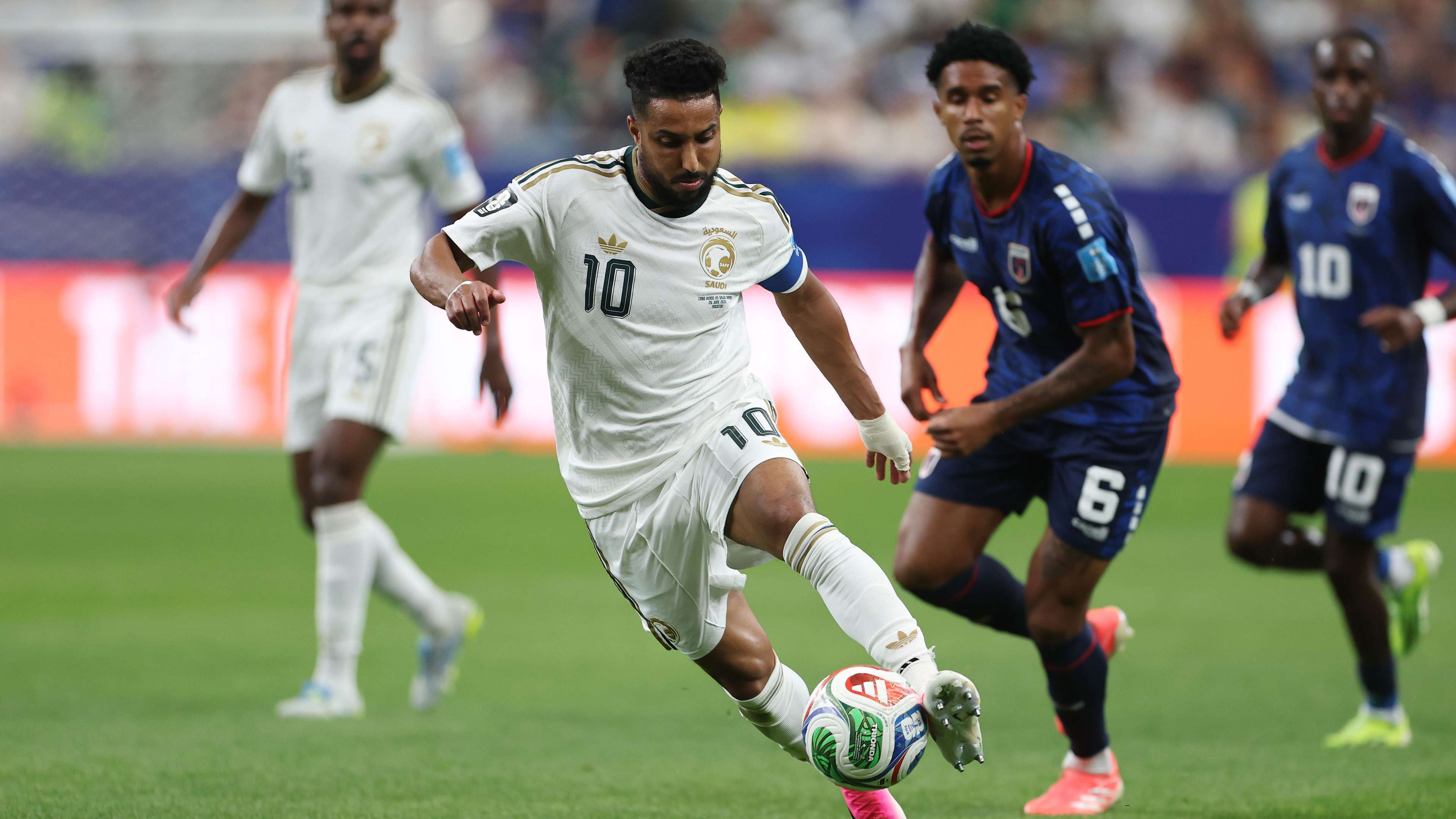
Salem Al-Dawsari’s bid to make Asian football history may have suffered an unexpected setback. Badr Bal-Obaid, a media commentator and specialist in the continent’s game, has reported that the Al-Hilal captain finished third in the latest Asian Player of the Year rankings.
Speaking on the television programme Dawreena Ghair, Bal-Obaid said Saudi forward Firas Al-Buraikan topped the list, with Iran goalkeeper Alireza Beiranvand in second place and Al-Dawsari third. If the reported order is confirmed, it would be a surprising outcome in a contest that had appeared to offer the Saudi star a chance to add another landmark achievement to his career.
Reported ranking reshapes the award prediction
The information shared by Bal-Obaid has quickly changed the prediction surrounding the award. Al-Dawsari was widely viewed as one of the leading contenders, given his influence for both Al-Hilal and the Saudi national team. A third-place finish, however, would leave him behind two players whose performances have also attracted attention across the region.
Al-Buraikan’s reported first-place position would represent a major personal milestone for the Saudi striker. Beiranvand’s second-place ranking would likewise underline the value of his work in goal, where consistency, leadership and decisive saves can be just as important as goals in shaping a team’s success.
Still, the report should be treated as an indication rather than a confirmed result. The Asian Football Confederation’s official announcement remains decisive, and the final ranking will not be settled until the relevant awards ceremony or formal communication. Until then, any prediction about the winner—and the order of the nominees—remains provisional.
Why a third-place finish would matter for Al-Dawsari
The reported result would carry particular significance because Al-Dawsari was pursuing more than another individual trophy. He was hoping to become the first player to win the Asian Player of the Year award three times, according to the record described in the original report. He has previously claimed the honour in 2022 and 2025, making another victory a potential historic achievement.
That record would reflect the remarkable consistency of a player who has become one of Saudi Arabia’s most recognisable football figures. Al-Dawsari has built his reputation through his attacking movement, close control and ability to influence high-pressure matches. His performances for Al-Hilal have also helped establish him as a familiar presence in major Asian club competitions.
For Saudi supporters, the award race is therefore about more than a single season’s numbers. It is also a measure of the country’s growing profile in Asian football and the prominence of its leading players. Al-Dawsari’s previous wins have already placed him among the continent’s most decorated individual talents. A third title would have taken that standing to another level.
Competition reflects the breadth of Asian football
The reported top three also point to the variety of roles and football cultures represented in the award race. Al-Buraikan’s inclusion highlights the importance of Saudi Arabia’s emerging attacking talent, while Beiranvand represents Iran’s long tradition of producing influential goalkeepers. Al-Dawsari, meanwhile, brings the experience and star power of a player who has performed at the highest levels of domestic and international competition.
Individual awards can be difficult to predict because they often bring together different types of contribution. For forwards, goals and decisive attacking moments are easy to identify. For goalkeepers, a strong case may rest on saves, organisation and reliability. A wide attacker such as Al-Dawsari can be judged on a broader mix of scoring, creativity, pressing and leadership.
That makes the final decision especially interesting. The ranking may reflect a panel’s assessment of a particular period, rather than a player’s entire career or reputation. It may also give weight to performances in different competitions, making direct comparisons between nominees far from straightforward.
Official confirmation remains the key moment
Despite the headline-grabbing revelation, the awards ceremony is still the central event to watch. If the Asian Football Confederation confirms Bal-Obaid’s reported order, Al-Dawsari’s pursuit of a third crown will end without the historic milestone. If the official result differs, the conversation around the race could change once again.
For now, the story is best understood as a reported prediction, not a final verdict. The distinction matters: unofficial rankings can generate excitement and debate, but only the governing body’s announcement can establish the award’s outcome. Fans should therefore wait for confirmation before treating the reported positions as definitive.
Whatever the final result, Al-Dawsari’s place among Asia’s leading players is unlikely to be defined by one awards ranking. His previous honours, his role at Al-Hilal and his service to Saudi Arabia have already made him a major figure in the modern game. A third-place finish would be disappointing for a player chasing history, but it would not erase the achievements that brought him into contention.
The award race has nevertheless delivered an unexpected twist. With Al-Buraikan reportedly leading, Beiranvand second and Al-Dawsari third, the prediction has shifted away from the established star and toward a new potential winner. The official announcement will determine whether that surprise becomes reality—and whether Asian football is about to welcome a new name to the top of its individual honours.