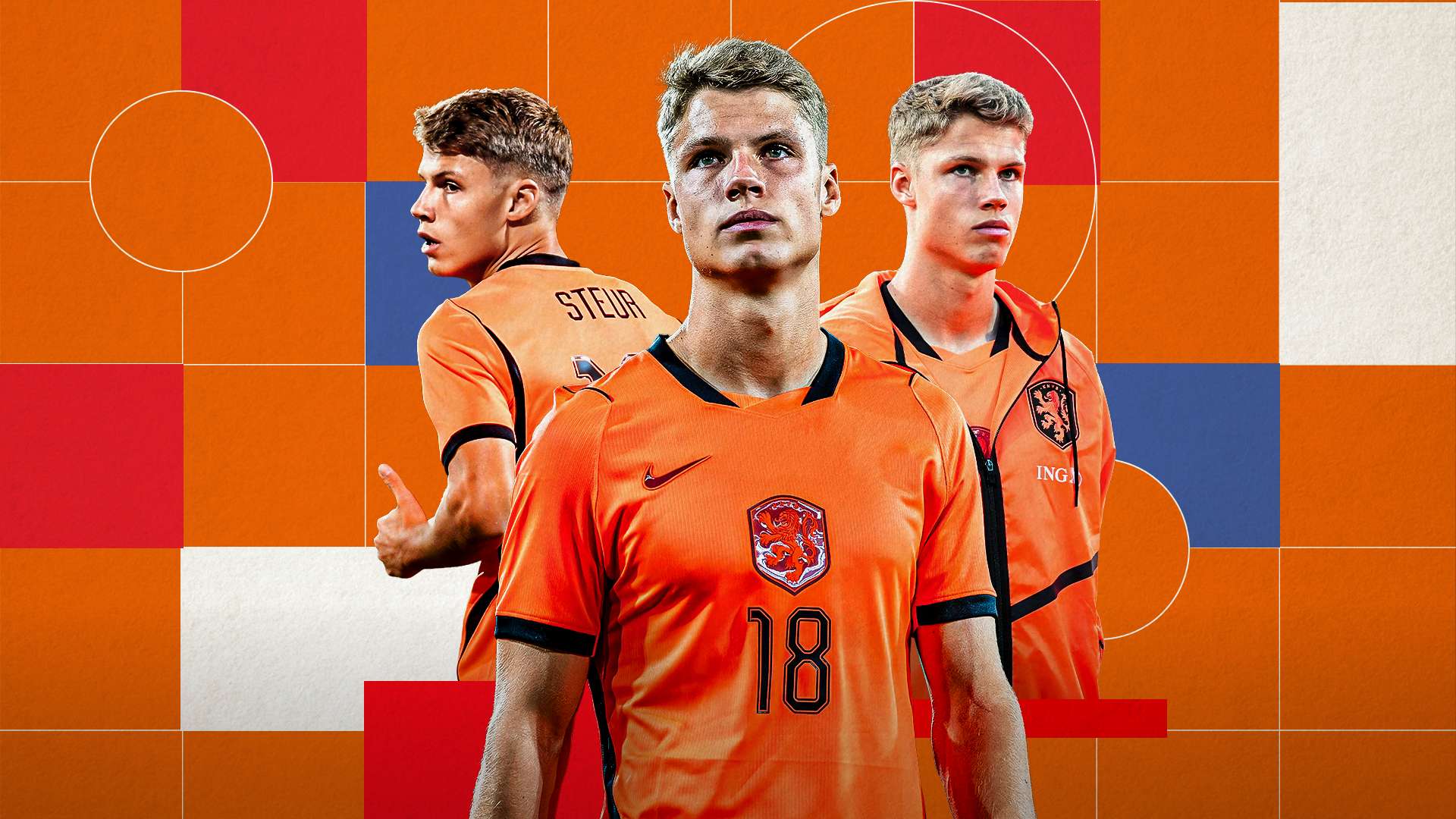

Sean Steur embraces Newcastle challenge as Netherlands Under-21s target Euro qualification
Sean Steur is enjoying life at Newcastle United, but for now his attention is fixed on a different challenge: helping the Netherlands Under-21s reach the 2027 European Championship. The 18-year-old midfielder has returned to the national squad for a decisive two-legged play-off against Denmark, with a place at next summer’s finals in Albania and Serbia on the line.
Speaking at the team’s base in Zeist, the Volendam-born player appeared relaxed ahead of the high-stakes tie. He arrived alongside fellow teenager Ruud Nijstad, sharing jokes before discussing the assignment ahead. Steur said it was good to be back with the Under-21s and that the squad had plenty to look forward to, despite understanding the importance of the matches.
A major opportunity for the Netherlands Under-21s
The play-off will determine whether the Netherlands can secure a place at the 2027 Under-21 European Championship. Steur says the group is approaching the task calmly rather than allowing the pressure to take over. Training has begun, he explained, and the players are motivated and clear about what they need to do.
For Steur, qualification would carry personal significance. While some of his teammates have already experienced youth international finals, he has yet to appear at a major tournament. Reaching the championship would therefore represent a new milestone, as well as a chance to compete for his country on a prominent stage.
His immediate prediction is straightforward: the international break will be a success only if the Netherlands qualify. That focus reflects a practical mindset. Rather than looking too far ahead, Steur is concentrating on the two games that could shape the next stage of his international career.
Settling into life in Newcastle
Steur made a high-profile move from Ajax to Newcastle United last summer, beginning a new chapter in one of football’s most demanding leagues. He says he has settled in well and is enjoying both the club and its supporters. The Premier League, he added, brings a different level of pace and physical intensity compared with the football he experienced in the Netherlands.
“It’s still football,” is the essence of his view, but the details make the English game stand out. Matches can feel faster and more physical, with greater intensity across the pitch. Those qualities were among the reasons he wanted to make the move, and he remains fully convinced it was the right decision.
There has been a learning curve away from the pitch, too. Steur thought his English was strong before arriving, but the Newcastle accent initially made conversations harder to follow. He sometimes had to ask people to repeat themselves. He says that has improved as he has become more familiar with the local way of speaking.
Even so, Dutch remains an important part of his daily life. He keeps in touch with his parents and friends from the Netherlands, and Newcastle teammate Sven Botman has also been a helpful familiar face. Botman, a former Netherlands Under-21 international, helped Steur understand things when he was new to the club and country.
Supporters, expectations and the transfer fee
Newcastle fans have responded positively to Steur and have called for him to receive more playing time. The midfielder appreciates that support but sees it as something he must continue to earn through his performances. He describes every appearance for the club as special, particularly at St James’ Park, where the crowd’s energy has made a strong impression.
The attention that comes with a major transfer has not changed his approach. Steur acknowledges that the fee was substantial for an 18-year-old, while noting that large sums have become common across modern football. He says he does not focus on the price tag. His priority is to improve, perform well and make the most of the opportunities he receives.
That attitude may prove valuable as he adapts to a new club and competition. A young player moving from Ajax to Newcastle faces different tactical demands, training standards and expectations from supporters. Steur’s emphasis on development suggests he understands that settling in is an ongoing process rather than something completed after a few good performances.
Friendship and downtime in Zeist
During the Netherlands camp, Steur spends much of his free time with Nijstad, a friend he has known for several years. The pair play pool, table tennis and Rummikub between training sessions. They also disagree about who is better at FIFA, with Steur joking that he has never lost to Nijstad and offering to produce video evidence.
The light-hearted moments provide a contrast to the pressure of a qualification play-off. A relaxed atmosphere can help players maintain focus over a demanding international break, particularly when the outcome matters to the squad’s tournament ambitions. Steur’s confidence and humour suggest he is comfortable within the group.
Senior Netherlands ambitions can wait
Like many players in the Under-21 setup, Steur hopes one day to represent the senior Netherlands team. He describes that opportunity as a dream and an eventual goal, but is not trying to rush the process. Instead, he is focused on the steps he believes will move him closer: playing regularly, becoming stronger and gaining experience.
That measured outlook is notable for a teenager already playing at a major Premier League club. Steur has reached an important point in his career, but he is not treating his Newcastle move as a final destination. The next priorities are earning consistent opportunities, continuing to adapt and contributing to the Netherlands Under-21s.
For now, the immediate test is Denmark. A successful play-off would give Steur his first chance to compete at an Under-21 European Championship and reward a squad that has stayed composed under pressure. His long-term ambitions remain in view, but the midfielder’s message is clear: the present matters most, and qualification is the only outcome that will make this international break a success.