
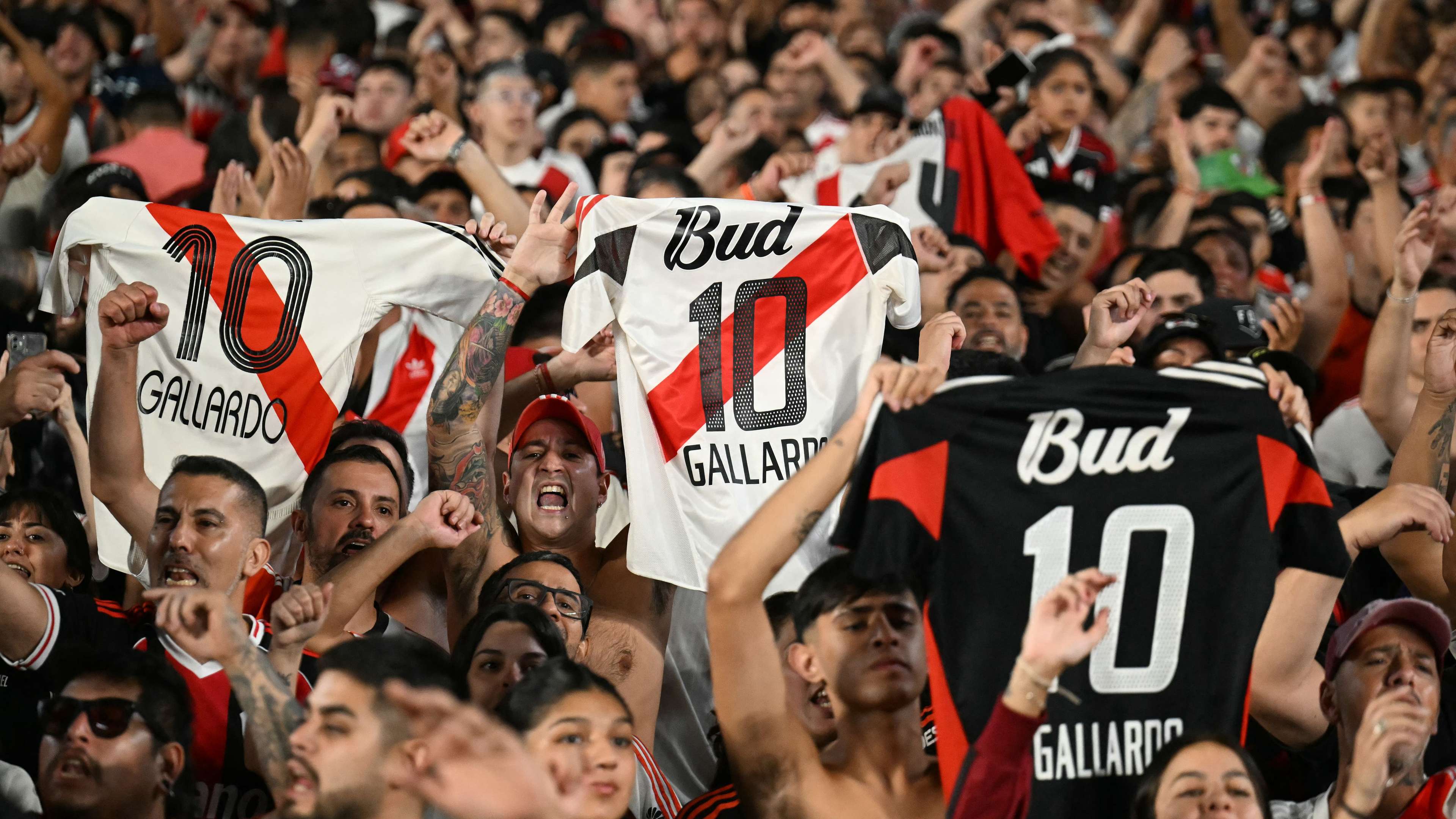

River Plate, one of Argentina’s most iconic football clubs, has made a shocking decision to withdraw from the Argentine Football Association (AFA) Executive Committee. This bold move comes as a result of the club’s concerns over transparency and procedural guarantees within the governing body. The Buenos Aires-based team believes that the current state of affairs within the AFA does not align with their values and principles, prompting their decision to distance themselves from the organization.
The timing of River Plate’s withdrawal is particularly significant as it coincides with a nationwide club strike initiated in response to a federal tax evasion probe. This probe has cast a shadow over the Argentine football landscape, leading to widespread unrest among clubs and players. Amidst this turmoil, River Plate has taken a stand against what they perceive as a lack of accountability and fairness within the AFA.
While River Plate remains committed to certain core AFA principles, such as promoting the development of football in Argentina, they are adamant about the need for a comprehensive overhaul of how the domestic game is governed. The club’s decision to withdraw from the Executive Committee is a clear signal of their dissatisfaction with the current state of affairs and their desire for meaningful change.
In a statement released to the media, River Plate emphasized the importance of transparency and fairness in football governance. The club expressed their belief that all stakeholders, including clubs, players, and fans, deserve to have confidence in the integrity of the sport. By taking a stand against the AFA, River Plate is sending a strong message that accountability and transparency are non-negotiable principles that must be upheld at all levels of football administration.
The repercussions of River Plate’s withdrawal from the AFA Executive Committee are yet to be fully realized. However, it is clear that the club’s decision will have far-reaching implications for the future of Argentine football. As one of the most prestigious and influential clubs in the country, River Plate’s actions are likely to spark a broader conversation about the state of football governance in Argentina.
Moving forward, it remains to be seen how the AFA will respond to River Plate’s withdrawal and whether other clubs will follow suit in demanding reforms within the organization. The outcome of this situation will undoubtedly shape the future of Argentine football and determine the direction in which the sport evolves in the years to come. As fans and stakeholders await further developments, one thing is certain: the landscape of Argentine football is undergoing a period of significant change, driven by the courageous actions of clubs like River Plate.
Impact of River Plate’s Decision on Argentine Football
River Plate’s bold decision to withdraw from the Argentine Football Association (AFA) Executive Committee has sent shockwaves through the Argentine football landscape. As one of the most iconic clubs in the country, River Plate’s actions have brought to light the deep-rooted issues of transparency and accountability within the governing body.
Call for Reform
By taking a stand against the AFA, River Plate is calling for a comprehensive overhaul of the domestic game’s governance. The club’s decision underscores the urgent need for reforms that prioritize transparency and fairness in football administration. This move has sparked a national conversation about the state of football governance in Argentina and has put pressure on the AFA to address the concerns raised by River Plate and other clubs.
Support from Fans and Stakeholders
River Plate’s stance has garnered support from fans, players, and other stakeholders who are demanding a more accountable and transparent football ecosystem. The club’s commitment to upholding the integrity of the sport has resonated with many who share their concerns about the current state of affairs within the AFA. This groundswell of support further amplifies the importance of addressing governance issues in Argentine football.
Potential Repercussions
The withdrawal of River Plate from the AFA Executive Committee is likely to have far-reaching implications for the future of Argentine football. Other clubs may follow suit in demanding reforms within the organization, leading to a potential restructuring of how football is governed in the country. The outcome of this situation will shape the trajectory of Argentine football and determine the path it takes in the coming years.
Looking Ahead
As the situation unfolds, all eyes are on the AFA to see how they will respond to River Plate’s decision and address the underlying issues that have been brought to light. The actions of clubs like River Plate are driving significant change in the Argentine football landscape, setting a precedent for accountability and transparency in the sport. The coming months will be crucial in determining the direction in which Argentine football evolves and the reforms that will be implemented to ensure a more equitable and fair system for all stakeholders involved.
In conclusion, River Plate’s withdrawal from the AFA Executive Committee marks a turning point in Argentine football, signaling a renewed push for transparency, accountability, and fairness in the governance of the sport. The club’s courageous stance has ignited a national conversation about the need for reform within the AFA and has galvanized support from fans and stakeholders alike. As the landscape of Argentine football undergoes a period of significant change, the actions of clubs like River Plate will continue to shape the future of the sport in the country.