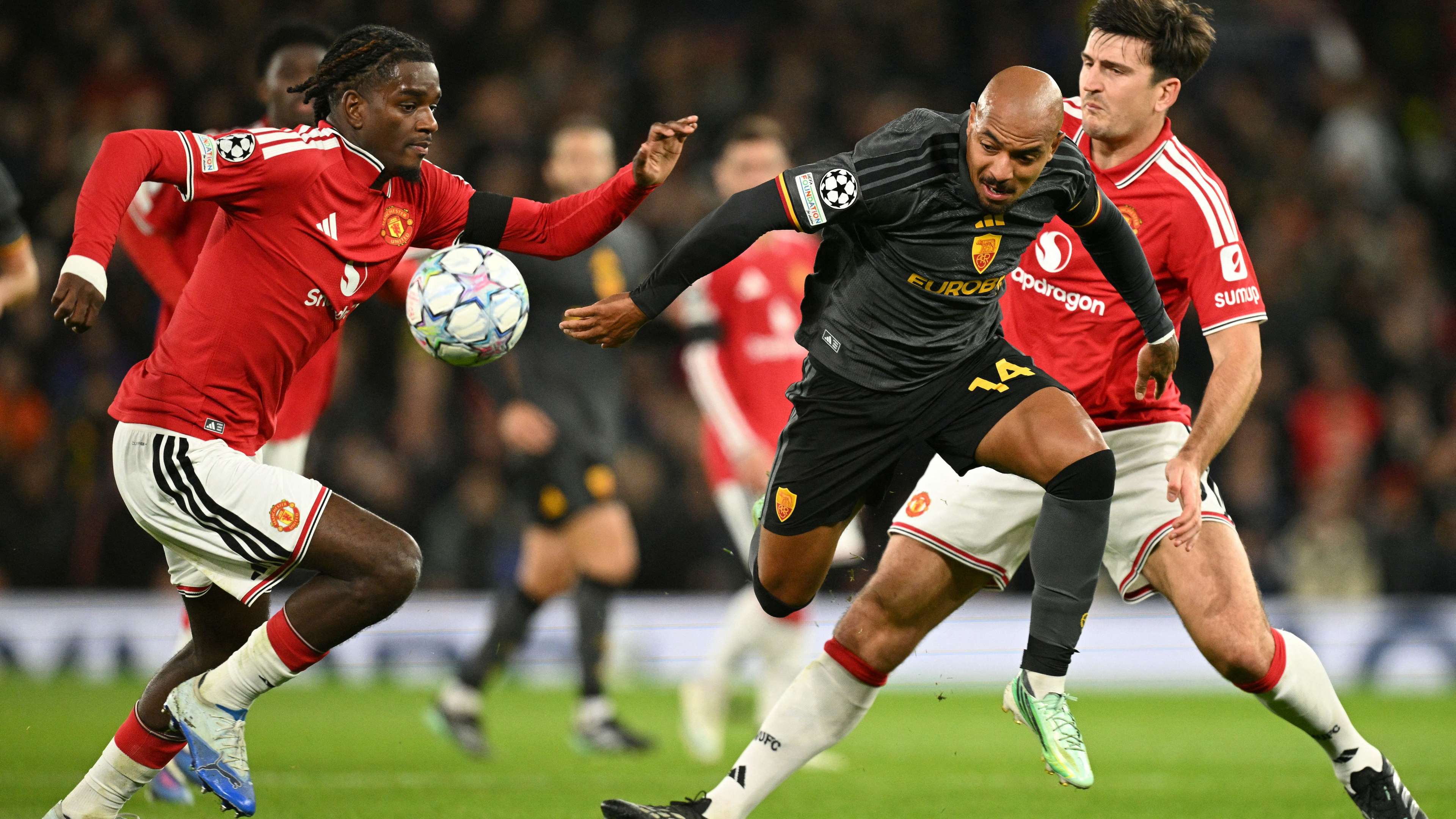

Barcelona vs Aston Villa: Nicolas Jackson Challenge on Pau Cubarsí Sparks VAR Debate
A first-half challenge during Barcelona’s Champions League meeting with Aston Villa prompted a heated debate over refereeing standards, player safety and the role of video technology. The incident came in the 43rd minute at Camp Nou, when Barcelona defender Pau Cubarsí and Villa forward Nicolas Jackson contested a loose ball in midfield.
Jackson’s boot came down on Cubarsí’s foot during the challenge, leaving the young defender in visible pain. The referee showed the Aston Villa striker a yellow card, but did not upgrade the punishment after a VAR review. That decision quickly became a talking point, with opinions divided over whether the contact warranted a dismissal.
How the Cubarsí-Jackson incident unfolded
The challenge occurred as both players moved to reach a ball in a crowded area of the pitch. Jackson appeared to keep his foot planted as Cubarsí arrived, and the contact landed around the Barcelona defender’s ankle and foot. Cubarsí needed a moment to recover and was seen limping after the collision, adding to concerns about the force and potential consequences of the tackle.
The referee judged the incident to be a bookable offence, issuing Jackson a yellow card. VAR did not intervene, meaning the on-field decision stood. Under the usual review process, video officials can recommend a review when they believe a potential red-card offence may have been missed. Their decision not to do so became central to the debate, though the absence of an intervention does not by itself explain how the officials assessed the contact.
For football fans, incidents like this often raise a familiar question: where is the line between a reckless challenge deserving a red card and a mistimed tackle that merits only a caution? The answer can depend on factors such as the point of contact, the speed of the challenge, the use of studs and whether excessive force was involved.
Spanish media questions the decision
Spanish newspaper Mundo Deportivo took a strong position, arguing that Jackson should have been sent off. Its report said the Villa forward kept his foot planted and stepped on Cubarsí’s ankle, describing the challenge as one that “could have been a red card.” The paper also highlighted the defender’s discomfort, noting that he was limping after the incident.
The publication criticised the lack of a VAR review and suggested that the yellow card did not fully reflect the seriousness of the contact. It also reported that Jackson appeared to urge Cubarsí off the pitch after the challenge, an exchange the newspaper interpreted as dismissive of the defender’s pain. Such reactions can add to the tension around an incident, particularly when a player is still trying to recover.
However, the newspaper’s coverage also included a more measured assessment from its refereeing analyst, Cesar Barinecia Montero. He agreed that Jackson’s boot made clear contact but concluded that the challenge did not involve excessive force. In his view, the referee’s yellow card was an appropriate punishment.
Why the opinions differ
The contrasting assessments illustrate why tackle decisions can remain contentious even when the video footage is available. A stamp or step on an opponent’s foot can look serious, especially when it involves the ankle and leaves a player limping. But a red card is generally associated with a challenge that meets the threshold for serious foul play, including excessive force or endangering an opponent’s safety.
That distinction is not always easy to judge from a single angle. The speed of the action, the players’ movement and the precise point of impact can influence how officials interpret the challenge. A referee may see enough danger to issue a yellow card while deciding that the evidence does not justify a dismissal. VAR, meanwhile, is intended to correct clear and obvious errors rather than reconsider every debatable decision.
This is why supporters can watch the same replay and reach different conclusions. Barcelona fans may focus on Cubarsí’s pain and the contact around his ankle, while others may view the challenge as a competitive midfield collision without the level of force required for a sending-off. The disagreement is not necessarily about whether contact occurred; it is about how serious that contact was.
What the incident means for Barcelona and Villa
Beyond the disciplinary discussion, the moment carried significance because Cubarsí is an important part of Barcelona’s defensive setup. Any injury concern involving a young centre-back can draw attention, particularly during a demanding run of domestic and European fixtures. A player’s ability to continue, and whether discomfort develops after the match, can matter as much as the initial decision.
For Aston Villa, Jackson’s yellow card left the striker at risk of further discipline for the remainder of the contest. It also placed additional focus on his conduct after the challenge. In high-pressure Champions League matches, players are expected to compete intensely, but their response to an opponent’s injury can shape how an incident is perceived by officials, teammates and supporters.
The episode also offered another reminder that VAR does not eliminate controversy from football. Video review can provide officials with additional angles and time to assess an incident, but it cannot remove the judgement involved in deciding whether a challenge crosses the red-card threshold. When VAR stays silent, debate may continue long after play has moved on.
Barcelona vs Aston Villa prediction: discipline could be decisive
Any prediction for a future meeting between Barcelona and Aston Villa would need to account for more than this single challenge. Both teams rely on intensity and quick transitions, and their matchups can produce demanding duels across midfield and defence. If the sides meet again, the way players approach 50-50 challenges—and how the referee sets the standard early—could influence the rhythm of the game.
For now, the Cubarsí-Jackson clash remains a disputed moment rather than a settled verdict. Mundo Deportivo argued that a red card was warranted, while its refereeing analyst considered the yellow sufficient because he saw no excessive force. The referee’s decision stood, but the disagreement captures the continuing challenge for officials: protecting players while allowing physical competition to remain part of elite football.