
Real Madrid’s Late Comeback Adds Another Chapter to Their Winning Tradition
Real Madrid have turned another difficult European night into a dramatic victory, recovering from a two-goal deficit against Greek opposition to claim a valuable win. Fede Valverde delivered the decisive moment with a trademark strike, completing a late turnaround that has become an increasingly familiar feature of the team’s season under José Mourinho.
The result was more than three points. It reinforced the belief that Real Madrid remain dangerous until the final whistle—and revived a club tradition built on resilience, nerve and the ability to seize victory when the odds appear to be against them. For supporters, it was another reminder that a match involving Madrid is rarely settled before the closing moments.
A 2-0 Deficit Sparks Real Madrid into Action
For much of the contest, Real Madrid faced a night of frustration. The hosts had taken control and moved 2-0 ahead in the 75th minute, leaving the Spanish side with little time to change the outcome. That second goal, however, appeared to act as an alarm bell. Madrid responded with greater urgency, pushing forward and turning a difficult position into an opportunity for one of their trademark comebacks.
Valverde proved central to the revival. The midfielder’s powerful, cleanly struck effort helped swing the momentum, while his composure and energy embodied the response Madrid needed. His decisive contribution gave the visitors fresh belief and helped transform a night that seemed to be slipping away into another memorable result.
Late victories are often described as products of luck, but repeated comebacks usually require more than fortune. They demand fitness, conviction and a willingness to keep attacking when a safer approach might be tempting. Madrid’s players continued to look for openings, and their persistence was rewarded in the closing stages.
A Growing Pattern of Late-Winning Goals
Spanish newspaper Sport has pointed to a wider trend under Mourinho: Real Madrid are rediscovering the art of winning matches in the final minutes. The Greek victory joins a series of dramatic results against Espanyol, Elche, Roma and Barcelona, with decisive goals arriving from the 87th minute onward.
Across those matches, Madrid have claimed ten points from situations in which a draw—or worse—looked increasingly likely. That return matters in a demanding season, when small moments can shape the standings, team confidence and the mood around a club. A late goal can change more than the scoreline: it can strengthen belief within the dressing room and make future opponents question whether they can hold on against Madrid.
The sequence also highlights the psychological dimension of football. Teams that repeatedly score late can develop a powerful conviction that there is always time to recover. Their rivals, meanwhile, may begin to feel pressure even when they are ahead. That contrast can influence decision-making, defensive discipline and the flow of a match long before the final whistle.
Mourinho’s Influence and the Value of Resilience
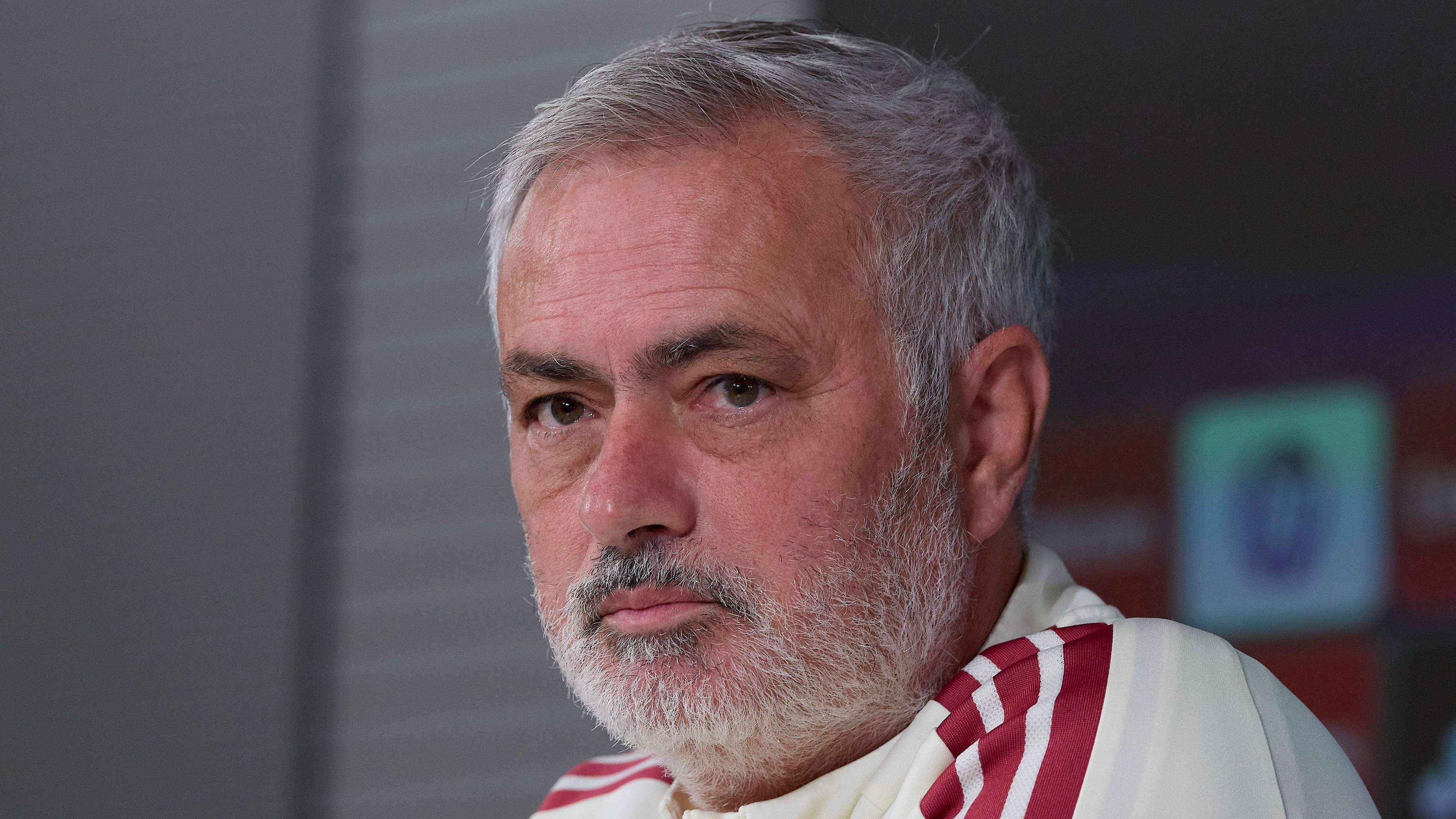
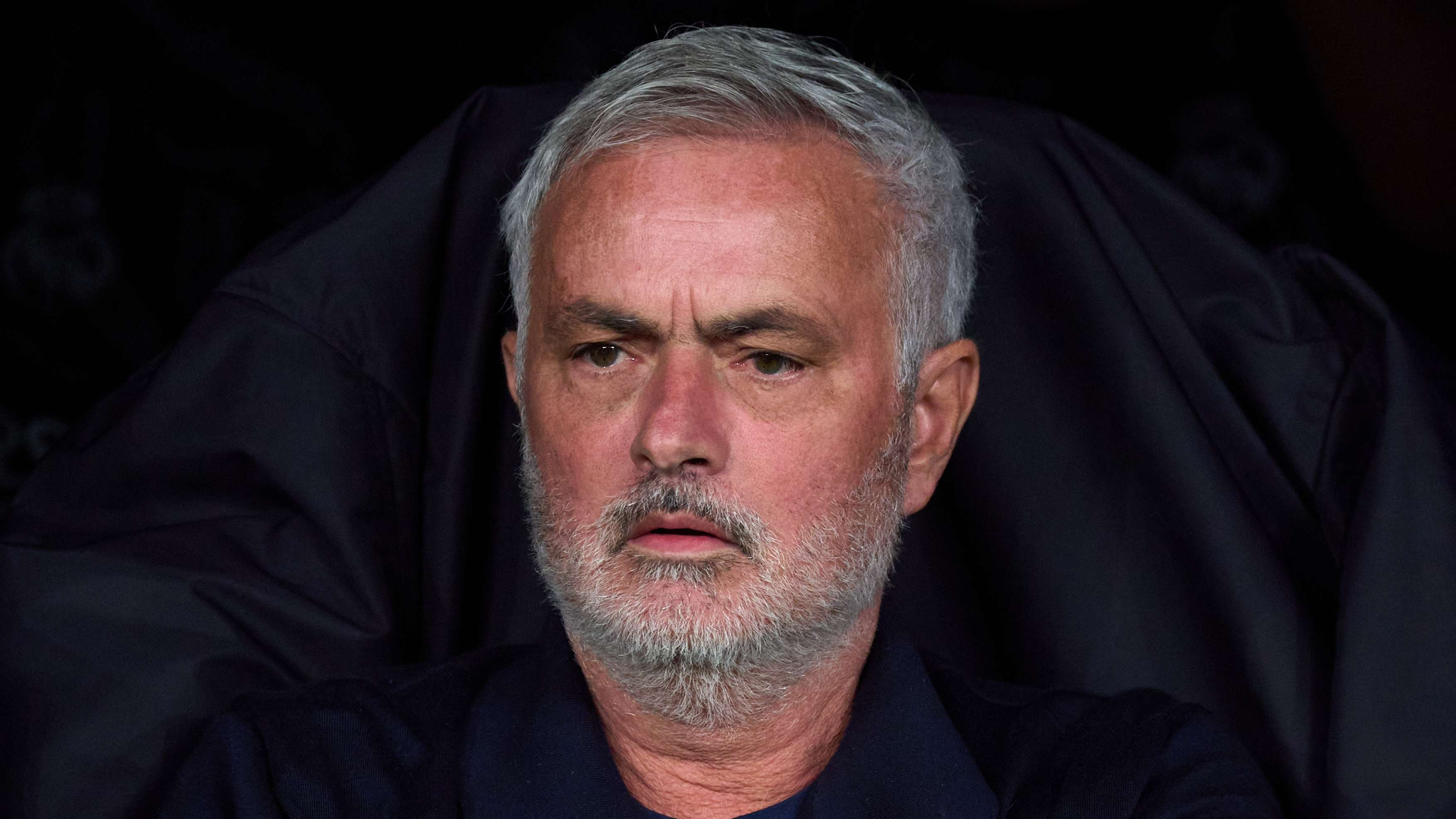
Mourinho’s return has brought renewed attention to one of Real Madrid’s most recognisable competitive traits: refusing to accept defeat while a match remains alive. His European reputation has often been shaped by high-pressure nights, and the latest comeback suggests that the same intensity is carrying into domestic competition.
The coach’s influence is not limited to tactics. A manager can also shape how players interpret adversity—whether a setback becomes a reason to retreat or a signal to raise the tempo. Madrid’s reaction to going two goals down suggested a group that still believed the game could be rescued. That conviction is especially important during a packed schedule, when fatigue and pressure can make a comeback harder to organise.
Florentino Pérez’s decision to bring Mourinho back was intended to restore a competitive edge, according to the original account. A run of dramatic wins offers an early indication of the mentality the club hoped to rekindle. Still, one result or a short winning streak cannot guarantee long-term success. Madrid will need to sustain their intensity, manage player workloads and remain defensively organised if they are to convert momentum into trophies.
Seven Straight Wins Raise Expectations
The Greek triumph extended Real Madrid’s run to seven consecutive victories and provided a timely lift ahead of the trip to Mestalla. The players had been facing the possibility of a damaging setback, but the comeback has instead given the squad fresh confidence as it pursues an eighth straight win.
Momentum can be a valuable asset, particularly when a team is balancing domestic fixtures with European commitments. Yet a winning run also brings increased expectations. Opponents are likely to prepare carefully, knowing that Madrid can punish lapses late in a match. The challenge for Mourinho’s side is to avoid relying on last-minute heroics as a routine solution. Strong starts and greater control would reduce the need for dramatic recovery efforts, even as the team’s resilience remains a major strength.
What the Comeback Means for the Season
For Madrid’s rivals, the message is clear: defending a lead against this team requires concentration until the referee ends the contest. A side that relaxes after taking control may find itself dragged into a frantic finish, where Madrid’s experience and attacking quality can quickly change the story.
For supporters, the latest result offers the familiar thrill of a victory earned through persistence. For the squad, it is evidence that setbacks need not define a match. And for anyone making a football prediction about Real Madrid, the team’s late-game record is an important factor—but not a guarantee. Comebacks can reveal character, yet every fixture brings different opponents, tactics and pressures.
Real Madrid’s latest win has therefore added more than another entry to a growing list of dramatic finishes. It has strengthened the sense that the club’s old never-say-die identity is returning under Mourinho. The principle is simple: keep pushing, trust the opportunity may come, and treat no result as settled until the final whistle. If Madrid can pair that spirit with consistent performances across the full 90 minutes, their late victories could become part of a much larger season-long success story.