
Rafael van der Vaart questions Heerenveen selection after Meerveld inspires Feyenoord thriller
Rafael van der Vaart has praised the drama of sc Heerenveen’s extraordinary 5-3 victory over Feyenoord, while delivering a pointed criticism of head coach Robin Veldman. The former Netherlands international believes Veldman made the wrong call by leaving Ringo Meerveld out of the starting line-up—and argued that the coach should take responsibility for the decision.
Meerveld came on at half-time and transformed the match, scoring three times as Heerenveen recovered from a two-goal deficit to claim a remarkable Eredivisie win at the Abe Lenstra Stadion. His impact made him the defining figure of a memorable afternoon and prompted a lively debate about team selection, substitutes and the value of trusting a club’s most influential players.
Heerenveen fight back after Feyenoord take control
For much of the first half, the contest appeared to be going Feyenoord’s way. Anis Hadj Moussa and Nacho Ferri put the visitors 2-0 ahead, giving them a commanding position and leaving Heerenveen with a difficult task in front of their home supporters.
Maas Willemsen’s goal shortly before the interval offered the hosts a route back into the game. Veldman then introduced Meerveld for the second half, a change that would reshape the match. Heerenveen returned with greater attacking purpose, and Levi Smans brought the score level soon after the restart.
Meerveld then put the Frisian side in front for the first time. Feyenoord responded through Sem Steijn to make it 3-3, setting up a tense finish, but the substitute had more to give. He scored twice more late in the match to complete his hat-trick and seal a 5-3 victory that few would have predicted when Feyenoord led by two goals.
Van der Vaart: “He is simply their best player”
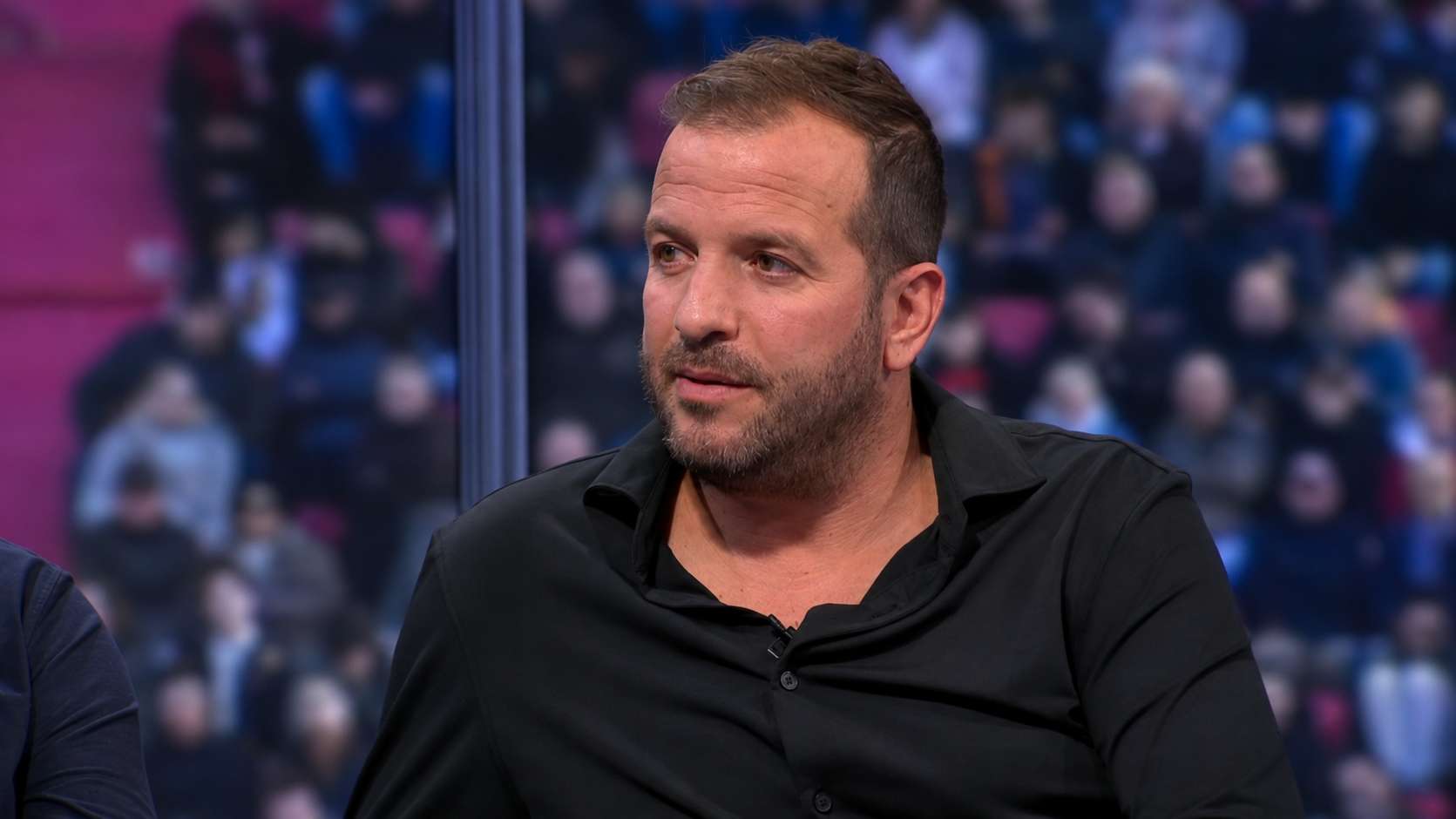
Speaking on NOS Studio Sport, Van der Vaart enjoyed the spectacle but was unconvinced by Veldman’s decision to start Meerveld on the bench. He described the game as a fantastic match and suggested that a Sunday afternoon with so many goals and momentum swings would be difficult to match soon.
His praise for the football did not soften his assessment of the coach. Van der Vaart said that if Meerveld is Heerenveen’s best player, then not starting him meant Veldman had not done his job properly. He acknowledged that a player can experience a dip in form and may sometimes need encouragement, but insisted that Meerveld’s quality should have made him a starter.
The comments reflect a familiar challenge for coaches: balancing recent form, tactical plans and the need to get the strongest performers onto the pitch. A substitute can change a game, but a player’s decisive contribution after coming on may also lead supporters and pundits to question why he was not selected from the beginning.
Ron Jans praises Meerveld’s impact
Former coach Ron Jans also highlighted the midfielder’s influence. He noted that Meerveld entered at half-time and helped turn the match around, describing him as Feyenoord’s tormentor. The phrase captured the way the visitors struggled to contain him as Heerenveen built momentum and took control of the closing stages.
Jans also pointed to a selection complication: Heerenveen have both Meerveld and Levi Smans operating in a similar position. That overlap may help explain why Veldman had to make a difficult choice, although the result has inevitably intensified scrutiny of the decision. Smans contributed to the comeback by scoring the equaliser, while Meerveld went on to provide the finishing touch with his hat-trick.
Rather than making the choice straightforward, the performance underlined Heerenveen’s attacking options. The challenge for Veldman will be finding a structure that allows both players to contribute, whether from the start or through carefully timed substitutions. Their different roles and strengths could give the team flexibility, particularly against opponents who press aggressively or leave space between the lines.
A performance likely to stay in the memory
Jans predicted that Meerveld would be reminded of this match for decades. A hat-trick against a prominent Eredivisie opponent, combined with a comeback from 2-0 down, gives the game the ingredients of a lasting football story. For Heerenveen supporters, it was not simply a win but a dramatic demonstration of the team’s ability to respond under pressure.
The result also offers a reminder that a match can change quickly after the break. Heerenveen’s first-half deficit might have encouraged a cautious approach, but the hosts instead found a way to increase their threat. Meerveld’s movement and finishing gave the comeback its sharpest edge, while the goals from Willemsen and Smans ensured the team had a platform to build on.
What the result means for Heerenveen and Feyenoord
For Heerenveen, the victory provides a major confidence boost and a compelling talking point ahead of their next fixtures. The side showed resilience after falling behind and made the most of its attacking opportunities. The immediate question is whether Meerveld will start the next match, and how Veldman will manage the partnership—or competition—with Smans.
Feyenoord, meanwhile, will have to examine how a two-goal advantage slipped away. Scoring three times away from home would normally offer a strong chance of taking points, yet the visitors were unable to stop Heerenveen’s second-half surge. Defensive organisation and game management are likely to be central to the review, particularly after Meerveld repeatedly found ways to punish them.
Any prediction about what comes next should be treated cautiously: one remarkable performance does not settle every selection debate or guarantee an immediate run of results. Still, Meerveld has made a powerful case for a starting place, and Veldman’s next team sheet will attract attention. After a match that delivered eight goals, a comeback and a hat-trick, the coach’s choices may be almost as closely watched as the football itself.