
Racing Santander Anger Boils Over After Controversial Penalty Against Real Madrid
Racing Santander’s frustration after a 3-0 defeat to Real Madrid was about more than the final score. At the heart of the reaction was a disputed penalty awarded while the game was still goalless—a decision the Cantabrian side believed changed the course of the match. Television cameras later captured one of Racing’s leading players confronting an official as emotions spilled over at El Sardinero.
The result gave Real Madrid a convincing victory, but Racing’s players and supporters were left focused on the moment that put the visitors ahead. For the home side, the penalty call was not simply one contentious incident in a difficult evening. It represented a pivotal decision in a match they felt had been finely balanced up to that point.
The Penalty That Changed the Match
With the score at 0-0, referee José Luis Munuera Montero awarded Real Madrid a penalty after judging that Racing defender Prati had fouled Kylian Mbappé. The decision immediately drew protests from the home players, who questioned whether the contact was sufficient to justify a spot kick.
Video Assistant Referee officials did not recommend an on-field review, and the penalty stood. Real Madrid converted the opportunity, giving the visitors an important advantage and forcing Racing to chase the game. Once ahead, the Spanish giants were able to manage the contest with greater control, while Racing had to take more risks in search of an equaliser.
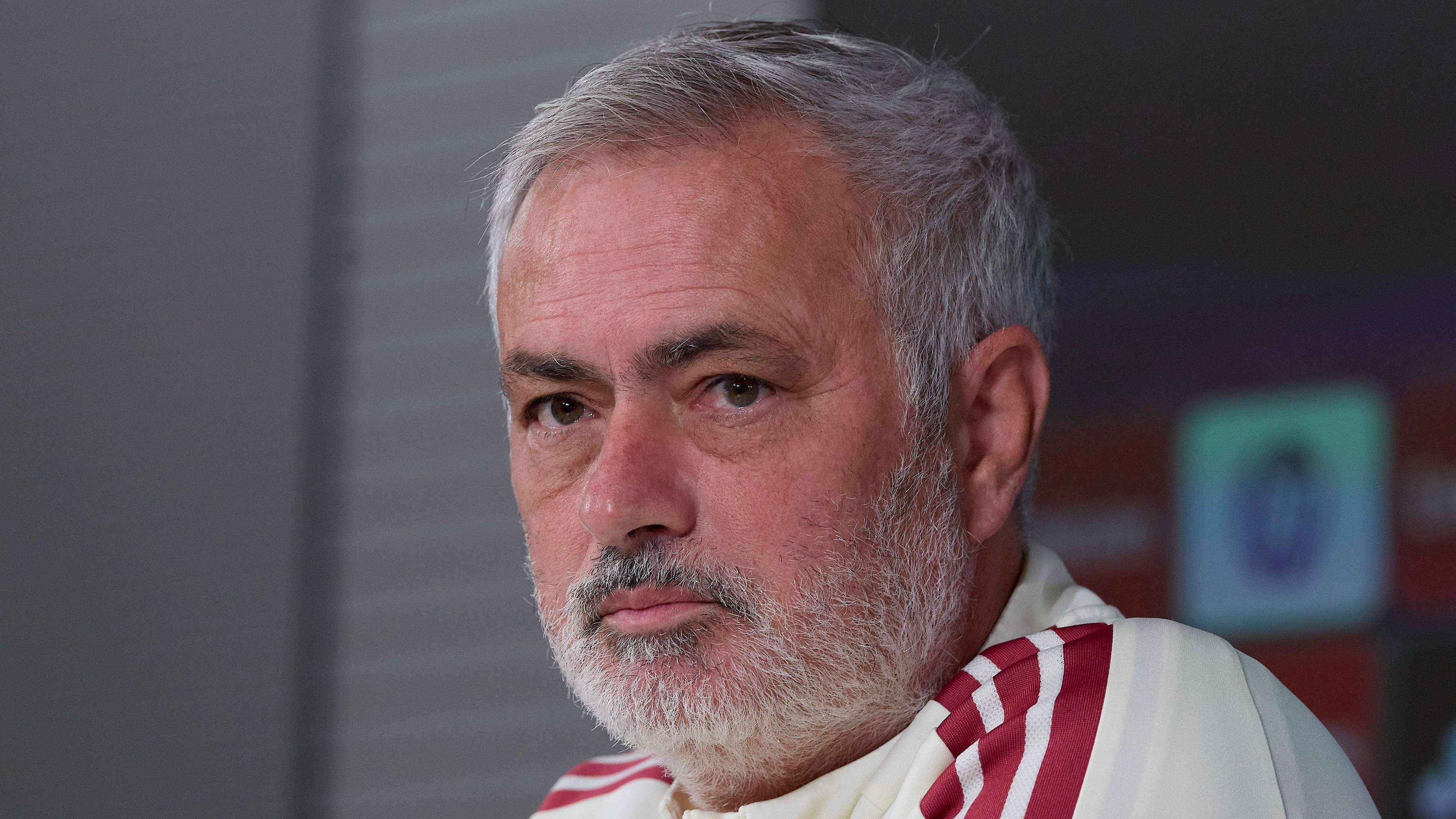
The controversy was heightened by comments after the match from José Mourinho, Real Madrid’s manager, who acknowledged that he did not believe the incident should have resulted in a penalty. That admission added weight to Racing’s complaints, although it did not alter the referee’s decision or the final result.
Why the VAR Decision Became a Talking Point
Penalty decisions often provoke debate because they can turn on the referee’s interpretation of contact, intent and the impact on an attacking player. VAR is designed to help correct clear and obvious errors, but it does not automatically review every disputed call in the same way as a video replay in other sports. When officials decide that the original judgment does not meet the threshold for intervention, the on-field decision remains in place.
For Racing, the absence of a review was as frustrating as the penalty itself. The club’s players believed the incident deserved closer examination, particularly given the scoreline and the significance of the moment. Supporters watching from the stands and at home were left to debate whether the contact on Mbappé justified the award.
Íñigo Vicente’s Angry Exit Caught on Camera
The tension became especially visible late in the match. In the 82nd minute, Racing’s manager substituted Íñigo Vicente, bringing on Juliashvili. Vicente, one of the team’s key attacking players, was visibly upset as he made his way toward the bench.
DAZN’s cameras captured the moment he turned toward the fourth official and shouted: “My God, you are cowards!” The outburst was brief but striking, offering a clear glimpse of the anger that had built up during the game. It also became one of the most widely discussed moments from the match, alongside the controversial penalty.
Vicente’s reaction reflected the emotional pressure of a match in which Racing felt the balance had shifted against them. His words were directed at the officials, but they also captured the wider sense of grievance among the home team and its supporters. In a high-stakes football contest, perceived unfairness can intensify emotions quickly—especially when a major decision comes before the first goal.
A Defeat Shaped by More Than the Scoreline
Real Madrid ultimately won 3-0, but the score alone does not explain Racing’s response. The penalty gave the visitors a route into the match, and the home side’s need to push forward created more space for Madrid to exploit. Once Racing fell behind, the tactical challenge changed: the hosts had to balance the need for an equaliser against the danger of leaving gaps at the back.
That pattern is familiar in football. A disputed early or first-half decision can influence not only the score but also the way both teams approach the rest of a game. The side that takes the lead may become more comfortable controlling possession and choosing when to attack, while the team trailing is often forced into a more aggressive, less cautious approach.
Still, Racing’s disappointment does not erase Real Madrid’s ability to take advantage of the opportunities that followed. The visitors showed their quality in turning a difficult away fixture into a three-goal win. For Racing, the challenge will be to separate legitimate frustration over the officiating from the work required to respond on the pitch in their next match.
What the Controversy Means for Racing Santander
The incident is likely to remain a talking point among Racing fans, not least because Mourinho’s post-match assessment appeared to support the view that the penalty was questionable. However, public debate cannot change the official result. The more immediate concern for the Cantabrian club will be how the players recover emotionally and maintain focus as the season continues.
Racing will also want to ensure that the anger displayed at El Sardinero does not overshadow the team’s performance or lead to unnecessary disciplinary consequences. Players are entitled to express disappointment, but confrontations with match officials can carry risks, particularly if remarks are included in the referee’s report. The club’s response, both on and off the field, will therefore matter as much as its reaction to the result.
Football Prediction: What Comes Next?
Any prediction about Racing’s next performance should be cautious. The team may draw motivation from the sense that it was treated unfairly, but emotional energy alone is not enough to guarantee a response. Racing will need to turn that frustration into sharper defending, better control in midfield and more consistent pressure in the attacking third.
Real Madrid, meanwhile, will take confidence from a commanding away victory, though the debate over the penalty may continue to follow the result. For neutral observers, the match offers a reminder that football is shaped by both technical quality and pivotal decisions—and that a single call can dominate the conversation long after the final whistle.
At El Sardinero, the headline was the 3-0 scoreline. But for Racing Santander, the defining memory was the penalty awarded at 0-0 and the anger it sparked. Vicente’s words to the fourth official made that feeling impossible to miss, turning a frustrating defeat into a broader debate about refereeing, VAR and the fine margins that can decide a football match.