
P. V. Sindhu backs four rising Indian shuttlers to break into badminton’s world top 20
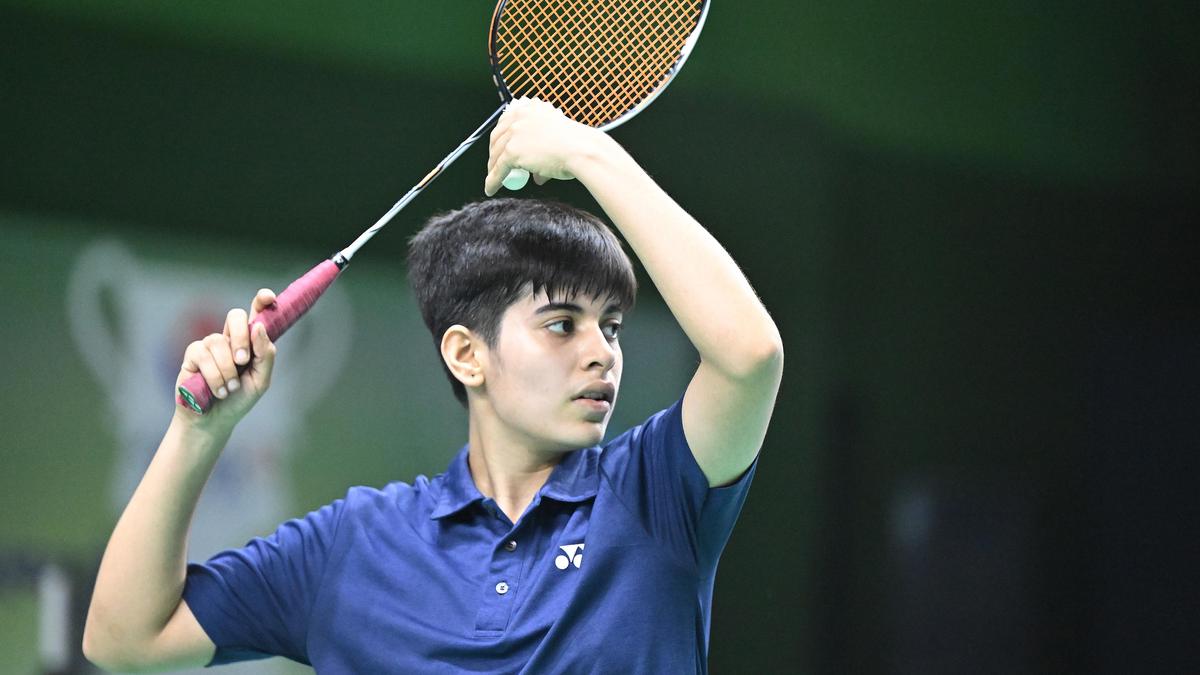
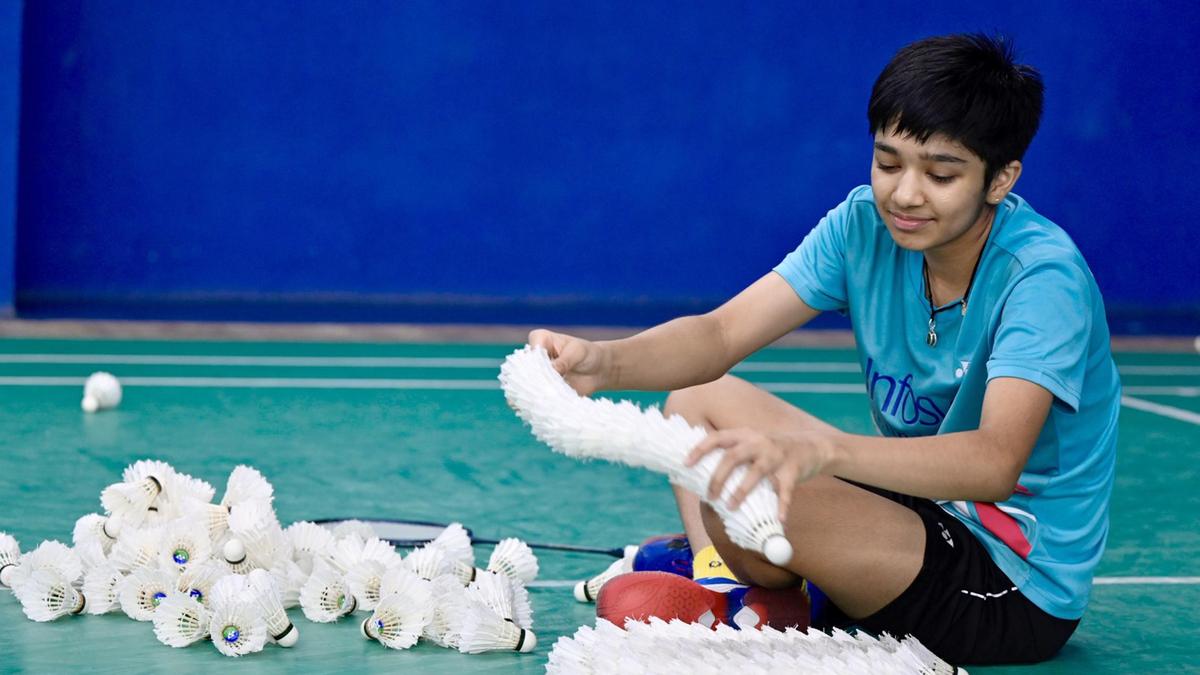
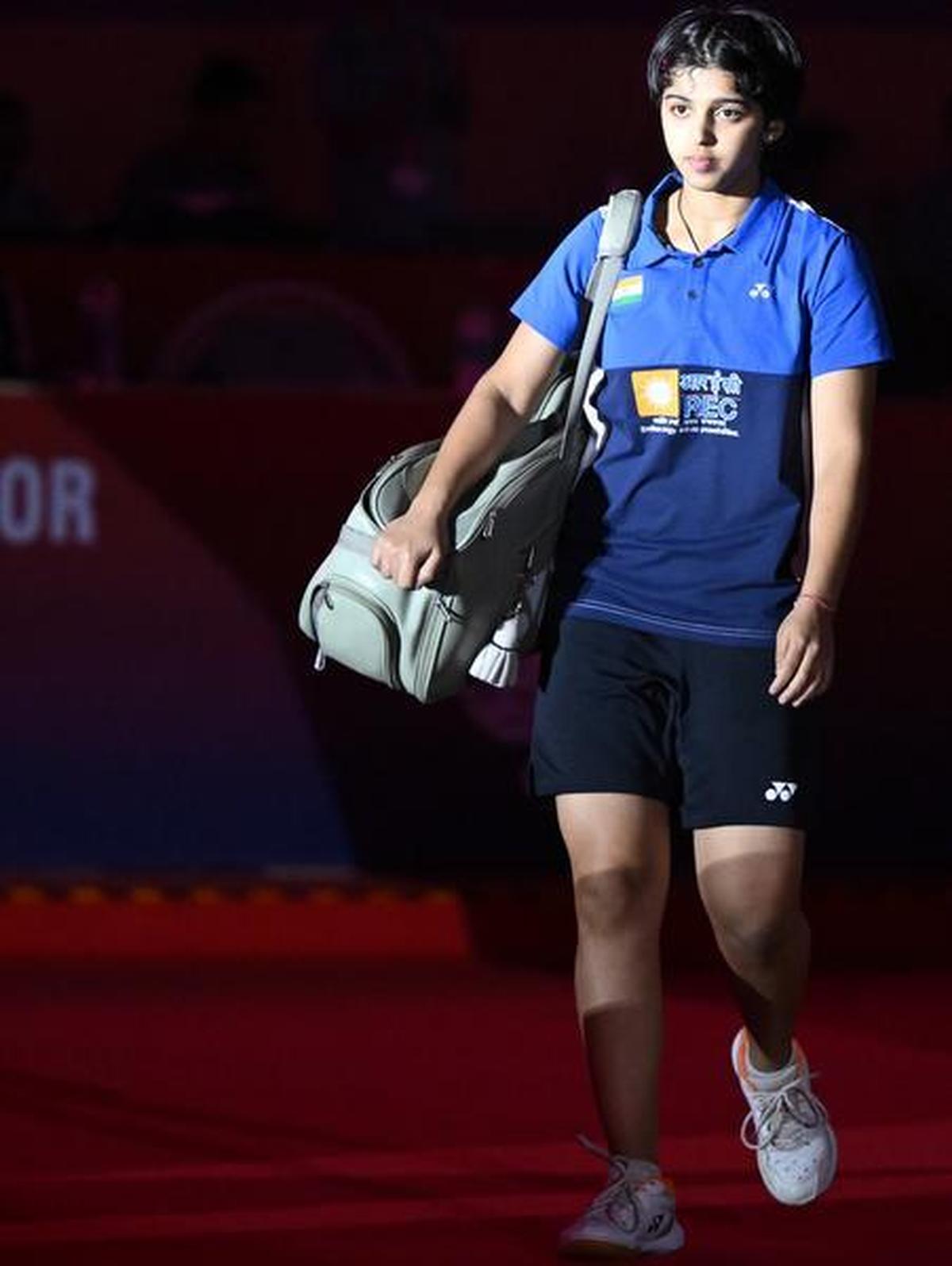
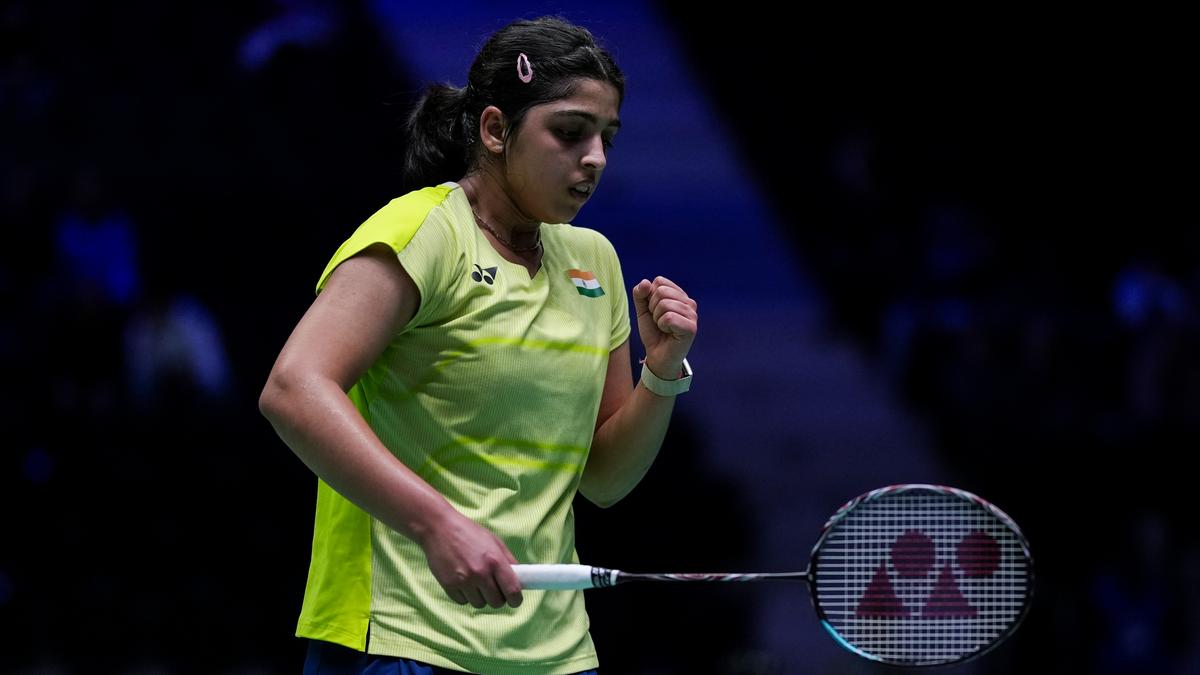
India’s next generation of women’s badminton players has a powerful supporter in P. V. Sindhu. The two-time Olympic medallist has named Tanvi Sharma, Anmol Kharb, Unnati Hooda and Rakshita Ramraj as four young singles players she believes can establish themselves among the world’s top 20—and potentially contend for places at the 2028 Los Angeles Olympics.
Sindhu shared her predictions on X on Wednesday, following Tanvi Sharma’s first-round win at the Korea Open. The Hylo Open 2026 champion ranked the four prospects in order, while stressing that her confidence extends beyond a single tournament result.
“My four picks to break into the top 20 and stay there consistently: Tanvi Sharma, Anmol, Unnati and Rakshita. In that order!” Sindhu wrote. She reserved particular praise for Tanvi, describing the youngster as technically sound, tactically aware and exciting to watch.
Tanvi Sharma’s rapid rise catches Sindhu’s attention
Tanvi Sharma has already produced results that make Sindhu’s prediction compelling. Earlier this year, she won the Taipei Open, a Badminton World Federation (BWF) Super 300 event, marking a significant breakthrough on the international circuit. She also reached the quarterfinals of the Super 750 Denmark Open, where her run ended against world No. 1 An Se-young.
Those performances suggest Tanvi can compete beyond lower-tier tournaments, but Sindhu’s assessment focuses on the foundations behind the results. She highlighted Tanvi’s technique and court sense—qualities that help a player manage rallies, anticipate an opponent’s choices and make effective decisions under pressure.
At the highest level of women’s singles badminton, consistency is as important as producing occasional winners. Players must defend patiently, change the pace of rallies and maintain their movement through demanding matches. Sindhu’s praise indicates that she sees the potential for Tanvi to build a complete game, rather than rely on one standout strength.
Anmol Kharb has promise—and areas to refine
Sindhu also spoke candidly about Anmol Kharb, whom she faced in the Hylo Open semifinals. The experienced Indian said she had been genuinely surprised by the youngster’s game, pointing to her stroke production and ability to disguise shots.
Deception can be a valuable weapon in badminton, forcing opponents to hesitate or move in the wrong direction. However, Sindhu noted that Anmol still has important work to do, particularly with her footwork, recovery after shots and consistency. Efficient movement is essential in singles: a player who reaches the shuttle late can struggle to regain control of the rally, even when her shot-making is strong.
Sindhu also raised the importance of being receptive to coaching. She said she believed Anmol was making changes in that area, a potentially important step as the young player develops. At international level, technical ability must be matched by discipline, fitness and a willingness to adapt to different opponents and playing conditions.
Unnati Hooda and Rakshita Ramraj offer different strengths
For Unnati Hooda, Sindhu identified technical adjustments as the next stage of development. Small changes to shot preparation, balance or positioning can make a major difference when rallies become faster and opponents target a player’s weaknesses. The challenge is to improve those details while preserving the qualities that have helped Unnati reach the international stage.
Sindhu’s advice for Rakshita Ramraj focused more on the mental side of competition. She suggested that Rakshita needs to win more of her battles mentally—an observation that reflects how demanding elite badminton can be. Long rallies, close finishes and setbacks within a match test a player’s composure as much as her physical skills.
Building confidence does not mean avoiding pressure. It means responding constructively after losing a point, staying focused when an opponent gains momentum and trusting a game plan in crucial moments. If Rakshita can strengthen that resilience alongside her technical and physical development, it could help her convert potential into more consistent results.
Tanvi Patri is another name to watch
Although Sindhu’s four top-20 picks were Sharma, Kharb, Hooda and Ramraj, she separately urged fans to keep an eye on Tanvi Patri. Patri made history by becoming the first Indian to reach the women’s singles semifinals at the Youth Olympics, then advanced to the final.
Sindhu believes Patri has a particularly high ceiling if she develops physically and adds strength to her game. That progression is common for young athletes: as players mature, added power and stamina can help them sustain attacking pressure and compete more effectively in longer rallies. The key will be developing strength without sacrificing speed, flexibility or court coverage.
Can India field two women’s singles players at LA 2028?
Sindhu’s broader prediction is that India could have two women’s singles representatives at the Los Angeles 2028 Olympics. She described Indian women’s badminton as being in an exciting position and pointed to the depth emerging behind the country’s established stars.
India last had two women’s singles players at the Olympics in Rio de Janeiro in 2016. Sindhu won silver there, while Saina Nehwal was the other Indian entrant and exited during the group stage. At the Paris 2024 Games, Sindhu was India’s only representative in the women’s singles draw and was eliminated in the round of 16.
Reaching LA 2028 will require more than promise. Players must deliver results across the qualification period, handle the demands of the international schedule and compete against a deep global field. Still, Sindhu’s comments offer an encouraging sign: India has several young players developing at once, each with a different route to the top.
For badminton fans, the next few seasons will be an important test of that potential. Tanvi Sharma’s tournament wins, Anmol Kharb’s shot-making, Unnati Hooda’s technical progress, Rakshita Ramraj’s mental growth and Tanvi Patri’s physical development will all be worth following. If the group continues to improve, Sindhu’s vision of a stronger Indian presence in women’s singles could become more than a hopeful prediction.