
P.V. Sindhu Urges Continued Support for Young Indian Badminton Players
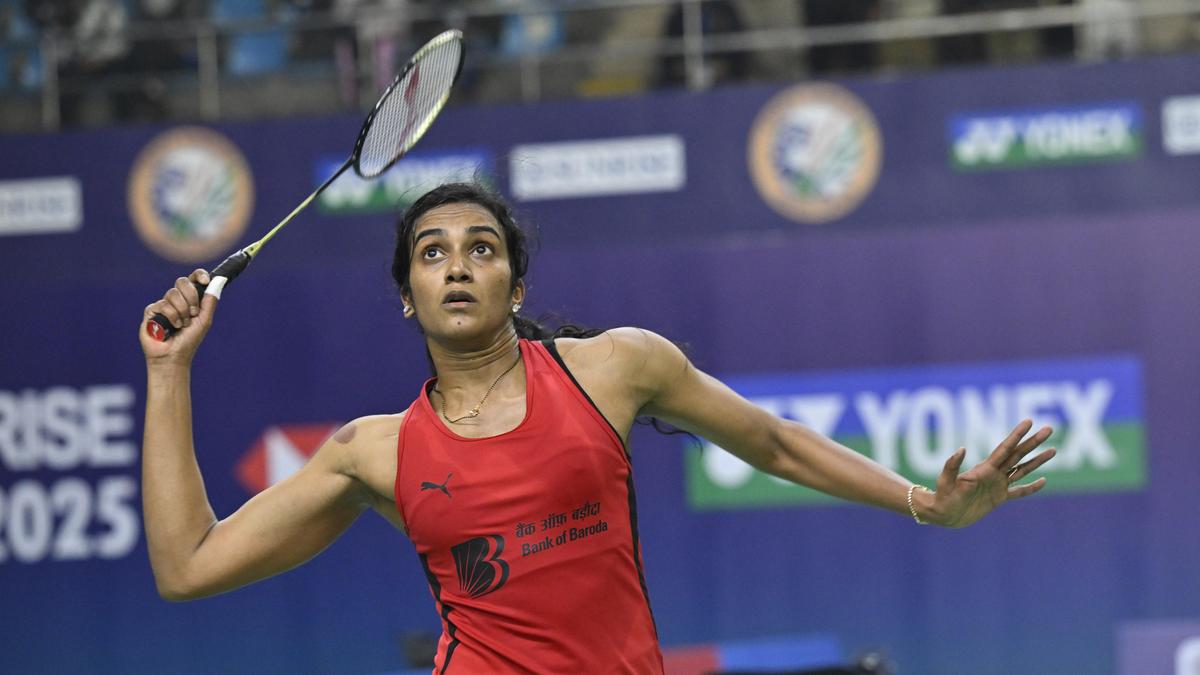
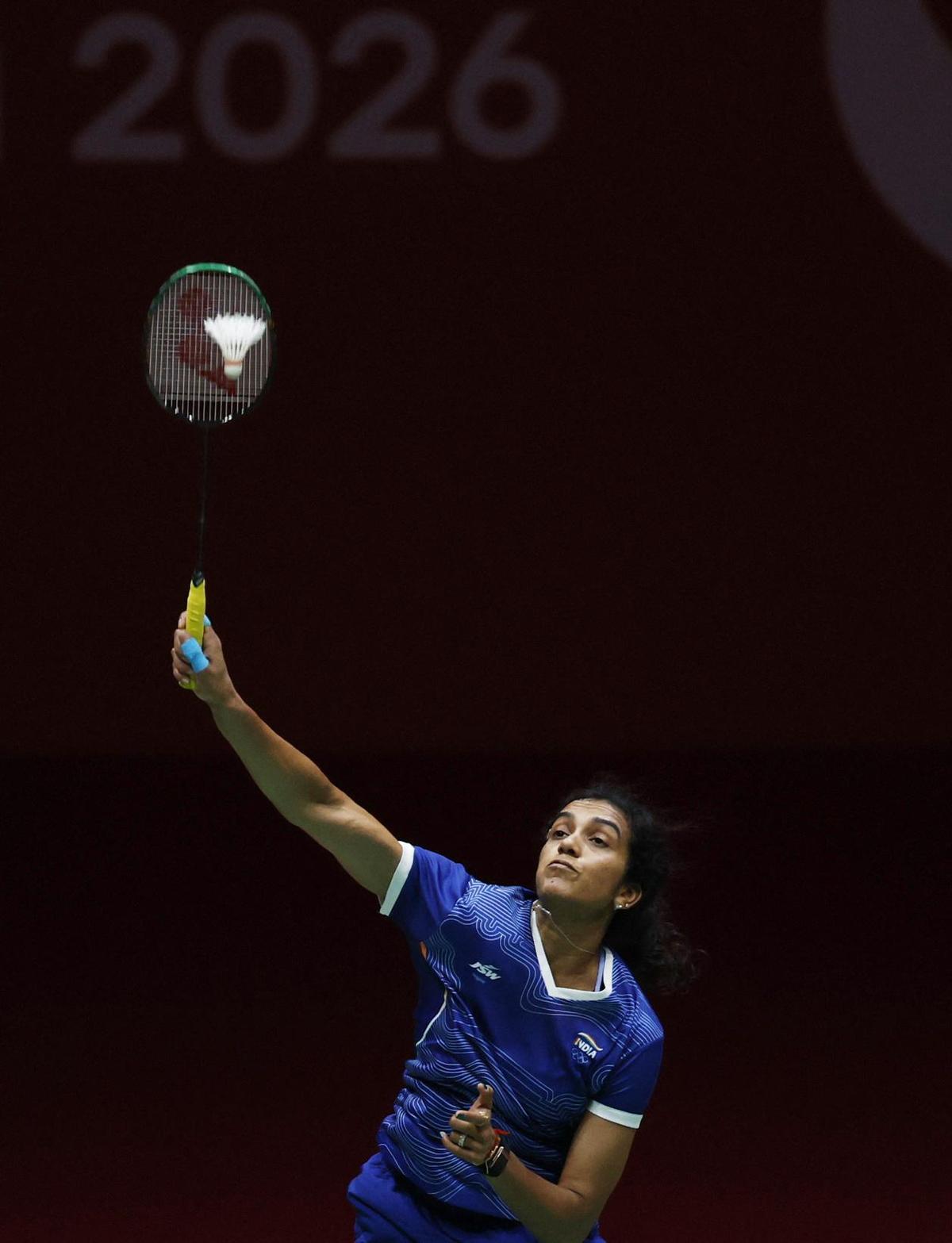
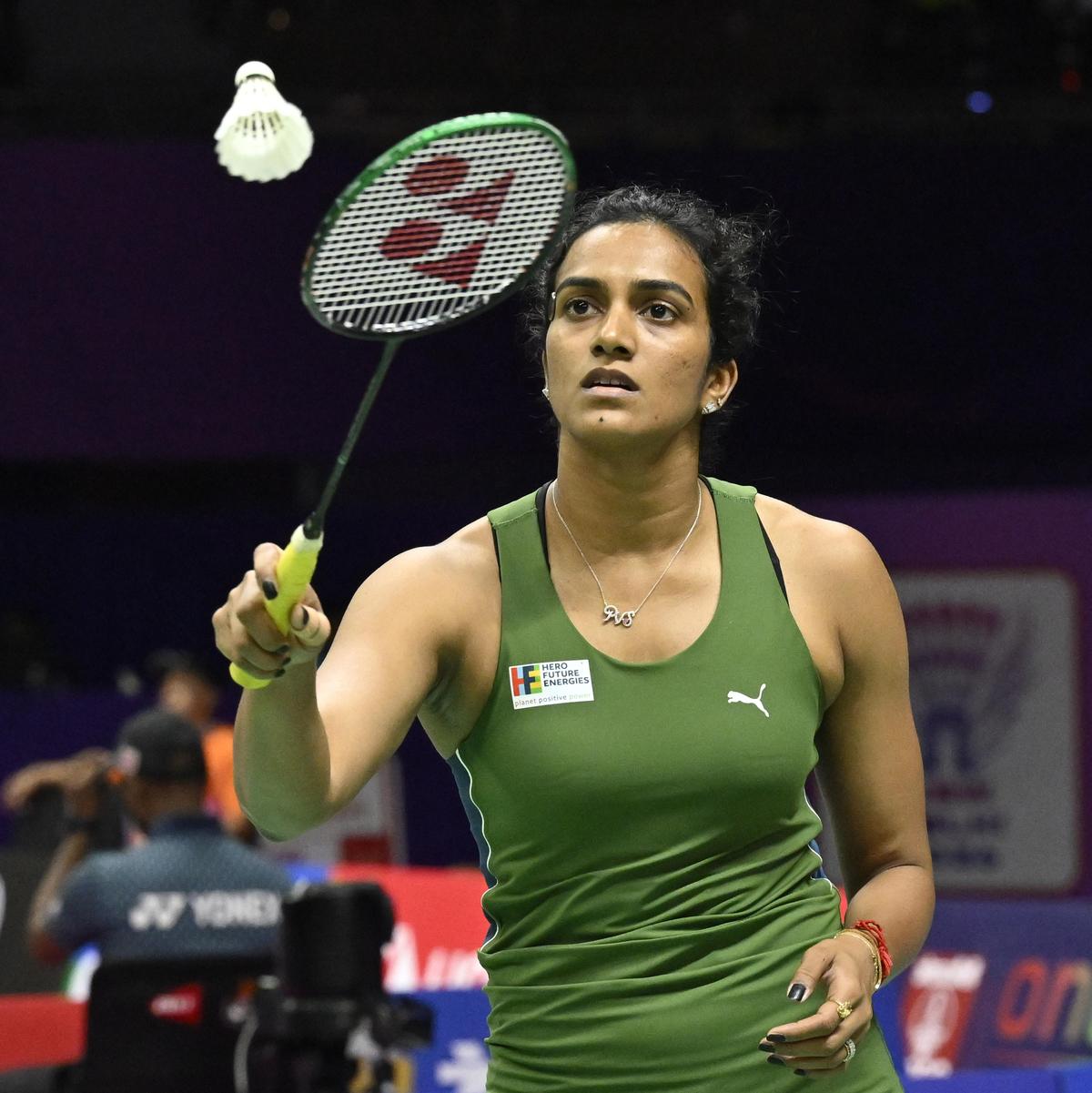
Two-time Olympic medallist P.V. Sindhu has called for sustained financial support for Indian badminton players, especially emerging athletes who do not yet have sponsors. Her appeal follows reports that members of India’s contingent had to arrange their own funding for a recent European tour after financial assistance from the Sports Authority of India (SAI) was not released.
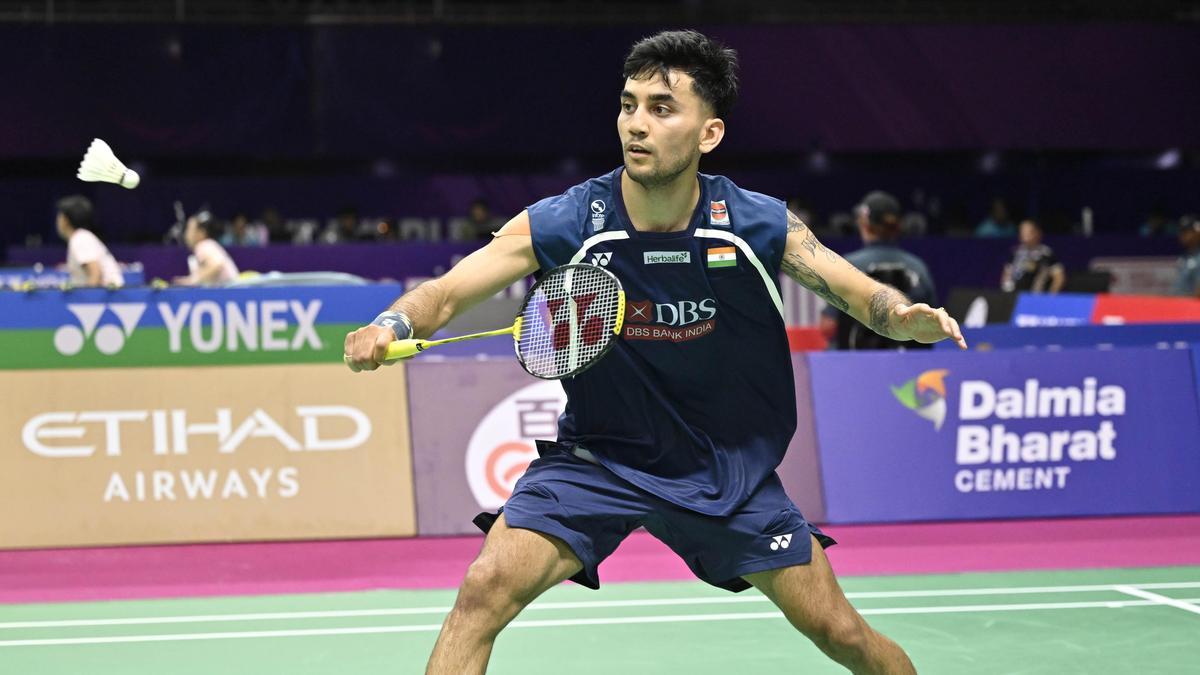
The issue came into focus after Sindhu and Lakshya Sen won the women’s and men’s singles titles, respectively, at the Hylo Open in Germany. Their success capped a demanding stretch of competition across Finland, Denmark, France and Germany. Reports said some players faced the prospect of travelling without full coaching support, while others withdrew from tournaments.
In a post on X, Sindhu argued that the financial realities of professional badminton are often underestimated. She compared the prize money available in badminton with the much larger sums awarded in tennis, noting that athletes in both sports can face similar costs when competing internationally.
Prize Money Does Not Always Cover the Cost of Competing
Sindhu pointed to the contrast between a first-round exit at Wimbledon, which can earn a tennis player £80,000, and the rewards available at a major badminton event. She said winning the China Open, one of badminton’s richest tournaments, brings a prize of about $140,000, while an early loss may earn a player only around $2,000.
Those figures highlight a challenge that extends beyond tournament results. International players need to pay for flights, accommodation, meals, coaching, physiotherapy, fitness training and other support services. Costs can rise further when athletes travel between several countries in a short period, as they did during the European swing.
For top-ranked players, prize money and sponsorships may help meet those expenses. But a young player who loses in the opening round—or is still working to establish a ranking—may have little income to offset the cost of competing. Without financial backing, promising athletes can be forced to choose between attending tournaments, hiring a coach or paying for other essential support.
Young Players Face the Greatest Risk
Sindhu acknowledged that established athletes should work towards financial independence and said she has been fortunate to receive support from sponsors. However, she stressed that not every player has access to the same opportunities. Her central concern was the next generation of Indian badminton talent: athletes who may have the ability to reach the top but lack the resources to stay on the international circuit long enough to develop.
“I can find ways to fund my tour. But what about the 18-year-old chasing her dreams, hoping to become the next Sindhu or Lakshya?” she wrote.
The question is particularly important in badminton, where progress depends on regular international competition. Players need to face strong opponents, earn ranking points and gain experience in different conditions. Missing tournaments can interrupt that development, while travelling without a coach may leave a young athlete without technical guidance, match preparation or support during difficult moments.
Reports about the European tour suggested that some younger players competed without coaches and that several athletes withdrew from events. Such decisions can affect more than a single result: they may limit a player’s chance to build momentum, improve their world ranking and attract future sponsors.
Accountability and Athlete Support Can Go Together
Sindhu’s comments came amid debate over the funding arrangements for the tour. She recognised that public money must be managed responsibly and said accountability is necessary. At the same time, she argued that funding athletes should not automatically be viewed as wasteful spending.
“Supporting athletes isn’t bleeding the system. It’s investing in India’s sporting future,” she said, urging stakeholders not to lose sight of the long-term value of backing emerging competitors.
That distinction matters for sports programmes. Clear criteria, timely decisions and transparent reporting can help ensure that assistance reaches athletes who need it. But administrative checks must also work within the competition calendar. When funding decisions are delayed, players may have little time to secure alternative support, book travel or arrange coaching before an event begins.
Organisations such as the Olympic Gold Quest, which Sindhu referenced in her post, can also help bridge gaps through athlete support and fundraising. Such assistance can be especially valuable for players who have not yet built the profile required to attract major commercial sponsors.
Sindhu Recognises Government Support
While calling for continued assistance, Sindhu also acknowledged the support she has received from the Government of India and SAI during her career. She said their contribution to Indian sport should not be understated, making clear that her appeal was focused on maintaining and strengthening support for athletes—not dismissing the role of public institutions.
Her message reflects a broader challenge for Indian badminton: how to balance financial oversight with the practical needs of athletes competing around the world. A sustainable system must support established stars while also helping players at the beginning of their careers, when the cost of participation can be high and the financial rewards uncertain.
Sindhu and Sen’s titles at the Hylo Open offered a reminder of what Indian players can achieve on the international stage. But results at the top level are built through years of training, travel and competition. For young athletes hoping to follow in their footsteps, reliable funding can make the difference between pursuing that path and being forced to step away from it.
As the debate continues, Sindhu’s appeal puts the focus on a simple but consequential question: how can India ensure that promising badminton players are not held back by a lack of resources before they have the chance to prove themselves?