
Paolo Maldini’s Abrupt Exit Looms as Italy Head Coach Appointment Faces Collapse
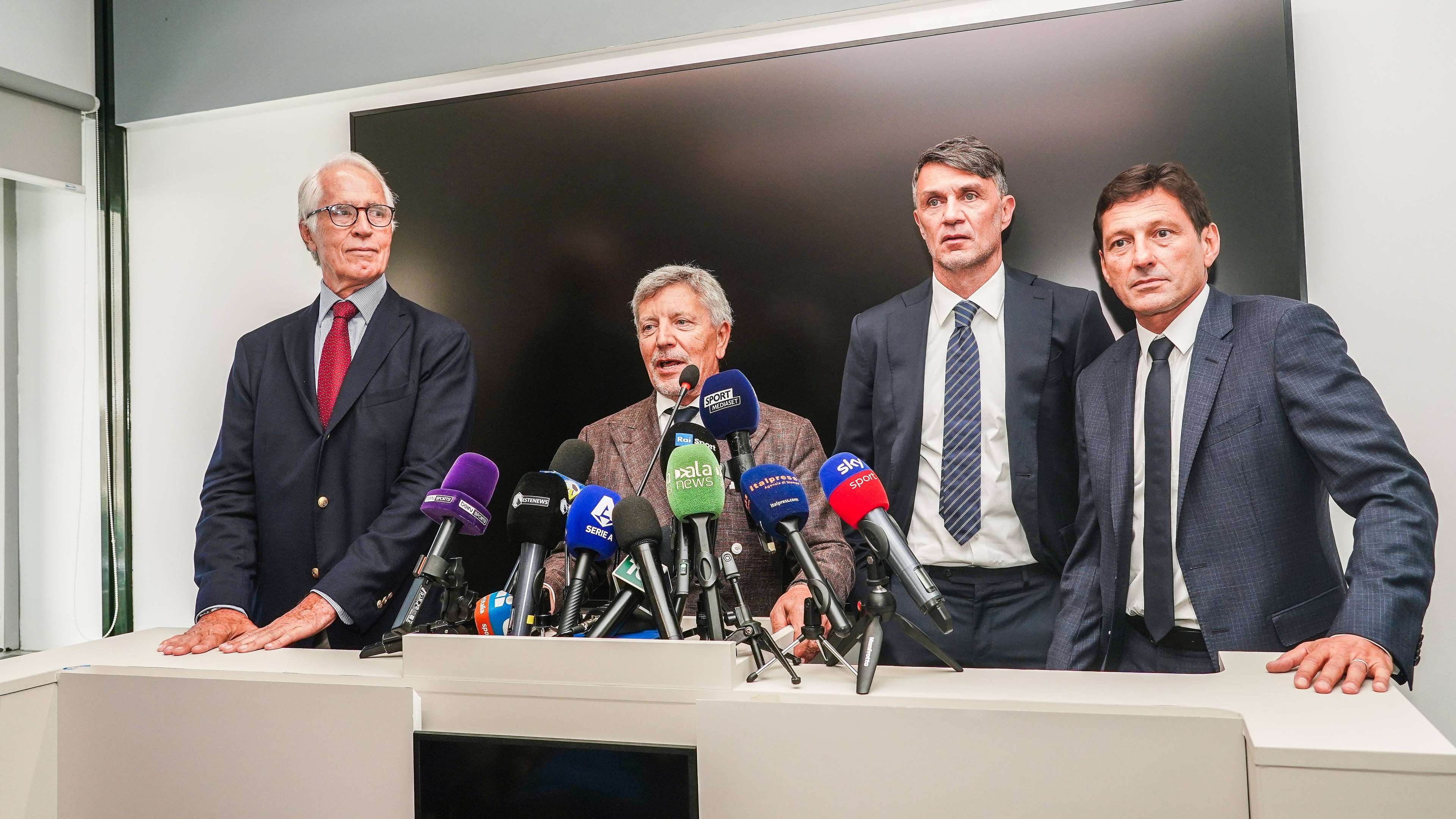
Only two weeks into his role as the technical director of the Italian Football Federation (FIGC), Paolo Maldini is reportedly on the brink of resigning due to the federation’s resistance to his preferred choice for the new Italy head coach, Andrea Pirlo. According to a report by Gazzetta dello Sport, Maldini’s autonomy in selecting Pirlo is being challenged, leading to serious consequences for the federation leadership.
Autonomy Under Threat
Maldini had been given assurances by newly elected federation president Giovanni Malago that he would have the freedom to choose the new head coach independently. This condition was crucial for Maldini to accept the role in the first place. However, the federation is now reportedly hindering Maldini and his adviser Leonardo in their pursuit of appointing Pirlo, causing tensions to escalate.
Maldini is known for not compromising on his freedom to act, as evidenced by his departure from AC Milan in 2023 when faced with restrictions. The current situation could push him to make a similar decision and resign from his position at the FIGC.
Resistance to Andrea Pirlo
After failing to secure Pep Guardiola as a candidate, Maldini and Leonardo had pinned their hopes on Pirlo for the head coach role. A contract worth 1.5 million euros per season until 2030 had been prepared for Pirlo, who is currently under contract with United FC in the United Arab Emirates.
However, reservations about Pirlo have emerged, particularly regarding his ties to the Russian betting provider Fonbet and his close relationship with Russian oligarch Sergey Lomakin, the president of United FC. While these concerns have been cited as reasons for the resistance to Pirlo’s appointment, some believe they may be a pretext to undermine Maldini’s authority.
Conflict of Interest Allegations
In a further twist, Italian newspaper Il Corriere della Sera has raised concerns about potential conflicts of interest involving the sons of Pirlo and Maldini. Pirlo’s son Nicolo works for an agency that represents Spain’s coach Luis de la Fuente, while Maldini’s son Christian is affiliated with an agency that represents his brother Daniel.
Although neither son has been officially registered as intermediaries, the situation has drawn parallels to past controversies in Italian football. Critics view these allegations as a distraction from the larger power struggle between Maldini and the federation leadership.
Uncertain Future
If the appointment of Pirlo as Italy’s head coach collapses, it could spell the end of Maldini’s tenure at the FIGC after less than two weeks in the role. The ongoing conflict between Maldini and the federation leadership highlights the challenges faced in navigating the complex world of football governance and appointments.
As the situation unfolds, the football community eagerly awaits a resolution to the standoff that could shape the future of Italian football and the leadership dynamics within the FIGC.
Impact on Italian Football
The potential fallout from Paolo Maldini’s abrupt exit and the collapse of Andrea Pirlo’s appointment as Italy’s head coach could have far-reaching consequences for Italian football. Maldini’s reputation as a legendary player and respected figure in the football world brought a sense of optimism when he took on the role at the FIGC. His departure would not only be a loss for the federation but also a blow to the credibility of Italian football leadership.
Furthermore, the controversy surrounding Pirlo’s candidacy and the alleged resistance from the federation reflect deeper issues within the Italian football landscape. The power struggles, conflicts of interest, and political maneuvering that have come to light in this situation shed light on the challenges faced by those seeking to reform and modernize the sport in Italy.
Future Leadership Dynamics
The clash between Maldini and the federation leadership underscores the complexities of governance and decision-making in football organizations. The struggle for autonomy, the influence of external interests, and the personal relationships that come into play highlight the intricacies involved in appointing key figures within football associations.
The outcome of this conflict will likely shape the future dynamics of leadership within the FIGC and set a precedent for how decisions are made moving forward. Whether Maldini remains in his position, successfully appoints Pirlo, or ultimately decides to resign will have ripple effects on the power structures and relationships within the Italian football hierarchy.
Navigating Controversies
Amidst the controversy surrounding the potential appointment of Andrea Pirlo as Italy’s head coach, the allegations of conflicts of interest involving the sons of both Pirlo and Maldini add another layer of complexity to the situation. The scrutiny on these relationships not only raises questions about transparency and accountability but also highlights the challenges of maintaining ethical standards in football governance.
As the world of football continues to grapple with issues of integrity, fairness, and accountability, the case of Maldini, Pirlo, and the FIGC serves as a cautionary tale about the importance of upholding ethical practices and avoiding conflicts of interest in the decision-making processes of football associations.
Resolution and Rebuilding Trust
Ultimately, the resolution of the conflict between Paolo Maldini and the federation leadership will be crucial in determining the future direction of Italian football. Whether through compromise, negotiation, or decisive action, finding a way forward that restores trust, transparency, and unity within the FIGC will be essential for the long-term health of the sport in Italy.
As stakeholders, fans, and observers await a final outcome, the hope is that lessons will be learned, changes will be implemented, and a new chapter of accountability and collaboration can emerge from the challenges faced in this high-profile saga. Only time will tell how the situation unfolds and what it means for the future of Italian football under the leadership of the FIGC.