
Philipp Lahm warns German football needs a clearer identity as Bayern prepare for Dortmund
Former Bayern Munich captain and Germany international Philipp Lahm has offered a wide-ranging assessment of the state of German football, discussing Harry Kane’s Ballon d’Or success, the growing stature of Bayern Munich versus Borussia Dortmund, and the tactical questions facing the national game.
In comments to Spanish newspaper Marca, Lahm praised Kane’s achievement as a positive moment for the Bundesliga. He also highlighted the importance of the league’s biggest domestic fixture, with Bayern and Dortmund set to meet at the Allianz Arena in a contest carrying significant weight at the top of the table. Beyond the immediate excitement, however, Lahm’s most pointed remarks concerned Germany’s need to decide more clearly how it wants its teams to play.
Kane’s Ballon d’Or win offers inspiration for young players
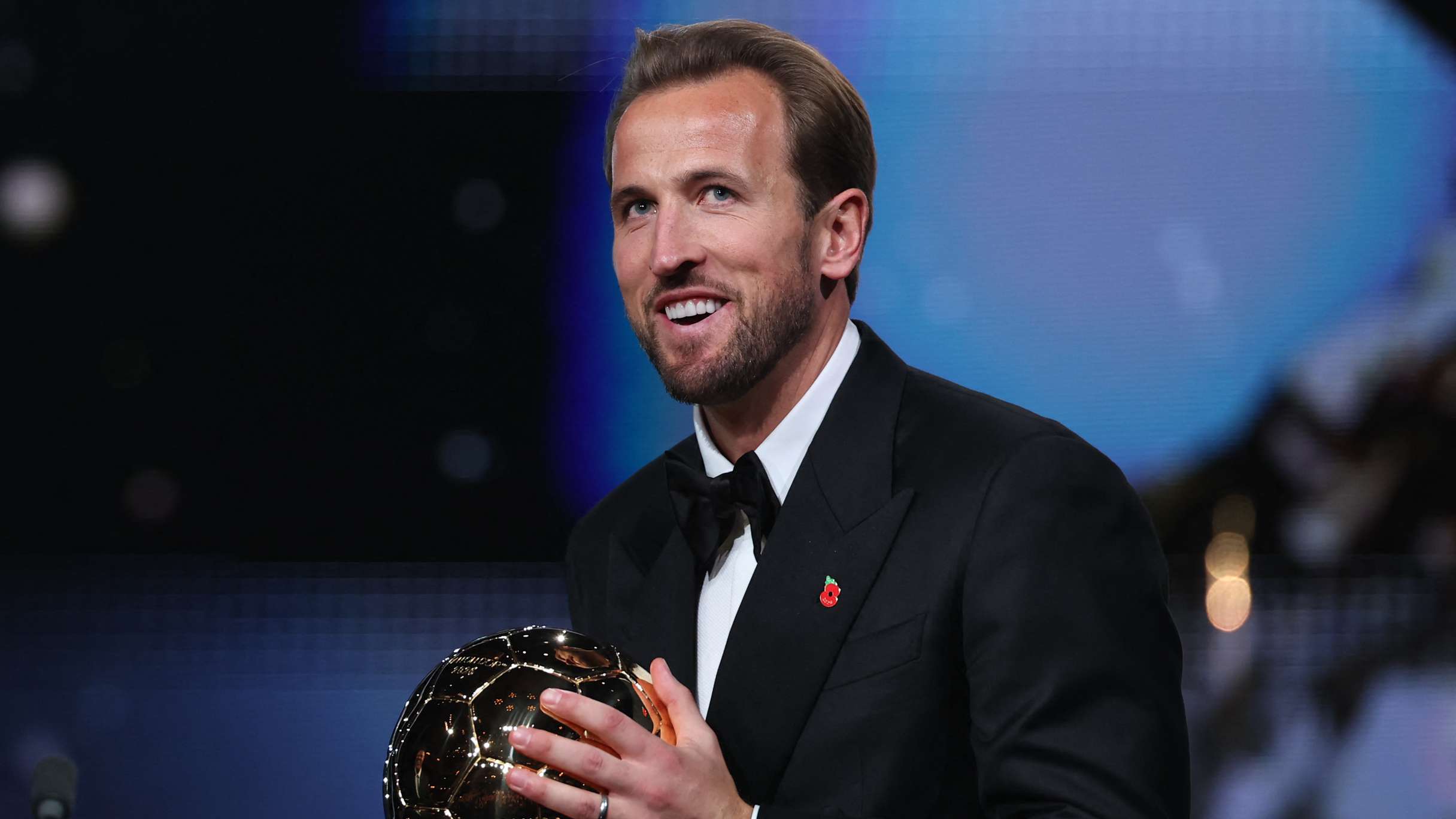
Lahm described it as “very healthy” for German football that a Bundesliga player had won the Ballon d’Or. Individual awards attract attention, he suggested, but Kane’s recognition could also have a wider effect by giving young players a visible example of what can be achieved while competing in Germany.
He linked that possibility to the structure of the German game, where youth development and professional football are closely connected. Players often begin at local clubs, developing within their communities before progressing to the professional level. That pathway, Lahm said, gives aspiring footballers a meaningful connection to the sport and can help make elite success feel attainable.
The discussion also revived the question of whether Franck Ribéry or Robert Lewandowski should have won the award during their own outstanding careers. Lahm did not suggest that individual honours should outweigh team success. In his view, players understand that collective achievement is central to winning trophies, and Kane himself might have valued a Champions League title even more than personal recognition.
“I had the chance to win the Ballon d’Or,” Lahm said, explaining that it never mattered to him as much as the team. He acknowledged that the award may carry particular significance for forwards, whose goals and attacking influence are often highly visible. Ribéry, he added, could be pleased to see Kane recognised while still feeling disappointed that he never received the honour himself.
Why Bayern versus Dortmund remains German football’s headline fixture
The approaching Bayern-Dortmund meeting, commonly known as Der Klassiker, has become one of the most anticipated events on the Bundesliga calendar. Lahm pointed to the rivalry’s growth over several decades, particularly as Dortmund emerged as a genuine challenger to Bayern’s domestic dominance.
He recalled Dortmund winning two consecutive league titles during his playing days, a period that helped establish the club as more than a temporary obstacle to Bayern. The fixture’s significance has since been strengthened by the clubs’ repeated battles for championships, major players and national attention.
This edition has added importance because Bayern and Dortmund are positioned first and second, respectively, according to the standings described ahead of the match. That makes the game more than a traditional rivalry: the result could influence the title race, shape momentum and provide an early measure of each side’s ability to handle pressure. For supporters looking for a Bundesliga football prediction, the league positions make Bayern’s home advantage a notable factor, while Dortmund’s challenge will be to disrupt the hosts and turn the occasion into a close contest.
Lahm called it the best match currently available in German football, reflecting both the teams’ quality and the history attached to the fixture. As with any major clash, the outcome will depend on more than reputation. Tactical discipline, midfield control and the ability to make the most of decisive moments are likely to matter as much as individual star power.
Lahm backs Michael Olise as a potential Ballon d’Or contender
Lahm also singled out Bayern attacker Michael Olise, praising the Frenchman’s creativity and ability to offer different solutions in possession. Rather than describing him as a player limited to one role, Lahm presented Olise as an adaptable attacking threat capable of influencing matches for both Bayern and the France national team.
That versatility is increasingly valuable in modern football, where wide players are expected to create chances, carry the ball into dangerous areas and contribute to a team’s pressing structure. Lahm believes Olise has the quality to become a Ballon d’Or candidate, and he pointed to Kane’s success as evidence that a player can win the award while representing Bayern.
Klopp’s Germany appointment brings experience—and expectations
Lahm also welcomed Jürgen Klopp’s arrival as Germany’s national coach, describing him as a manager with considerable experience. He noted that Klopp used his first international break to assess a broad group of players, an approach that can help a new coach understand the available options before settling on a preferred team.
The more important early signal, Lahm suggested, was Klopp’s willingness to explain his intentions clearly from the outset. Germany’s supporters will now be watching to see how those ideas develop, particularly as the coach gains more time with the squad and makes decisions about the team’s style and personnel.
Germany must answer a basic tactical question
Lahm’s strongest warning was reserved for the broader direction of German football. He said the country has many advantages, including excellent facilities, substantial investment, full stadiums and a deep pool of talented players. Yet, in his assessment, the national team has not achieved enough in recent years to match those resources.
He contrasted Germany’s situation with the specialist training he sees among Spanish players and argued that the country needs to return to fundamental questions: How should Germany defend? How should its midfielders move? And how should players approach one-on-one duels?
For Lahm, the issue is not simply whether a player can cover several positions. German football may need more specialists who understand their roles in depth, rather than relying too heavily on versatile players asked to perform across multiple areas. A clearer tactical identity could help clubs develop players with complementary skills and make it easier for the national team to build a coherent system.
His comments point to a challenge that goes beyond one coach or one tournament. Germany has the infrastructure and public support to compete at the highest level, but sustained progress will require agreement on the footballing principles that connect youth development, professional clubs and the national side.
Maradona and Messi: different personalities, extraordinary impact
Lahm ended with a measured view of the long-running comparison between Diego Maradona and Lionel Messi. He described both as exceptional players who raised the standard of competition, while acknowledging that their personalities and public images were very different.
From Lahm’s perspective, Messi was the defining player of his era for more than 15 years, sharing that status with Cristiano Ronaldo. The comparison, like debates over Ballon d’Or winners and German football’s future, reflects a sport that is shaped by both individual brilliance and collective identity—a balance Lahm believes Germany must rediscover.