
Rajat Patidar Withdraws from India A Squad for Rising Stars Asia Cup 2026
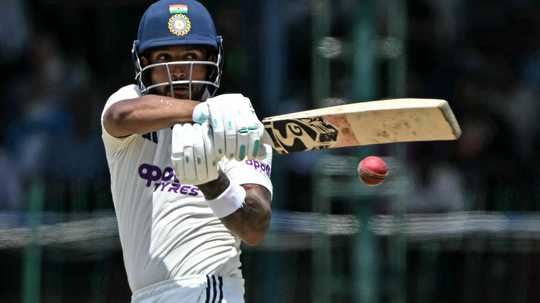
India A have made a late change to their squad for the Rising Stars Asia Cup 2026, with Rajat Patidar withdrawing from the tournament because of existing injuries. The right-handed batter, who was originally named vice-captain in Tilak Varma’s squad, has asked the Board of Control for Cricket in India (BCCI) not to consider him for 50-over selection while he manages his fitness.
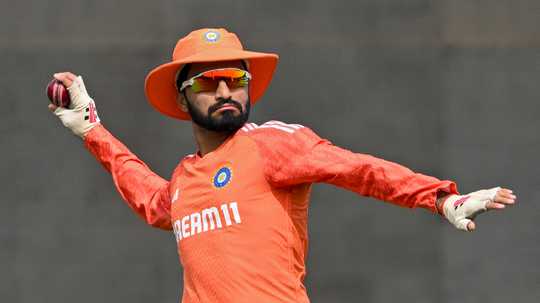
The competition is scheduled to begin in Doha, Qatar, on November 19. Patidar’s absence means Delhi all-rounder Ayush Badoni will take his place, while Rinku Singh has been appointed vice-captain. The changes give India A a fresh look ahead of a tournament featuring several promising players and challenging regional opponents.
Patidar Prioritises Fitness After a Strong Run of Form
Patidar’s withdrawal comes after a productive stretch in domestic and representative cricket. He captained Madhya Pradesh during three matches in the opening leg of the Ranji Trophy, scoring centuries against Puducherry and Bihar. Those performances underlined his value as a top-order batter and leader, making his absence a notable setback for India A.
Before the Ranji Trophy, Patidar represented India A in a one-day series against Australia A in Puducherry. India A lost the series 2-1, but Patidar contributed two half-centuries across three matches. His recent results had made him an important part of the squad’s batting plans, particularly in the middle order, where experience and composure can be crucial in high-pressure 50-over cricket.
However, managing existing injuries is likely to take priority over adding more matches to his schedule. A carefully planned recovery can help a player return in better condition, especially during a demanding domestic season. For India A, the immediate challenge will be to adjust its batting combinations and leadership structure without one of its most experienced selections.
Ayush Badoni Earns a Call-Up After Exceptional Ranji Trophy Form
Badoni has been selected as Patidar’s replacement after producing a remarkable run of performances for Delhi in the Ranji Trophy. He has scored 559 runs in four matches, including two double-centuries, a return that places him among the most eye-catching performers in the current domestic campaign.
His selection rewards both consistency and the ability to play substantial innings. Double-centuries require patience, concentration and the skill to shift gears as a match develops—qualities that can translate well to the longer phases of a 50-over contest. Badoni’s all-round profile also gives the team additional flexibility, although his exact role will depend on the balance India A chooses for each match.
The call-up also creates an opportunity for Badoni to test his game against international opposition. The Rising Stars Asia Cup can provide valuable experience for emerging cricketers, offering them a chance to adapt to different conditions, opponents and match situations. His recent domestic form gives him momentum, but the tournament will present a different challenge from the Ranji Trophy.
Rinku Singh Named Vice-Captain
Rinku Singh has been promoted to vice-captain following Patidar’s withdrawal. Known for his ability to handle pressure and finish innings, Rinku brings a different kind of leadership experience to the group. His appointment adds responsibility alongside his likely contribution as a key batter.
With Tilak Varma continuing as captain, India A retain a clear leadership hierarchy despite the late change. The combination of Varma’s captaincy and Rinku’s support could help the squad maintain stability as it prepares for a short, competitive tournament. Leadership will matter not only in close finishes but also in managing bowling changes, setting fields and responding to shifts in momentum.
India A’s Group B Challenge
India A have been placed in Group B alongside Nepal, the United Arab Emirates and Pakistan A. Their campaign begins against Nepal on November 20 at the West End Park International Cricket Stadium in Doha. The group-stage schedule gives the team little time to settle, making preparation and adaptability important from the opening match.
Each opponent offers a different test. Nepal’s emerging cricket programme has shown growing ambition, while the UAE can be difficult to contain in familiar conditions. The fixture against Pakistan A is also likely to attract particular attention, given the longstanding rivalry between the two cricketing nations. For India A, the focus will be on treating every match as a separate challenge rather than allowing external expectations to dictate the approach.
Conditions in Doha may also influence team selection. Batters will need to judge the pace of the surface and build partnerships, while bowlers may have to vary their lengths and pace to prevent opponents from settling. A successful campaign could depend on how quickly the players adapt and how effectively the team balances its batting depth with bowling options.
India A Squad for the Rising Stars Asia Cup 2026
Tilak Varma (captain), Rinku Singh (vice-captain), Abhishek Sharma, Vaibhav Sooryavanshi, Prabhsimran Singh, Kumar Kushagra, Suryansh Shedge, Shahbaz Ahmed, Vipraj Nigam, Harsh Dubey, Tanush Kotian, Harshit Rana, Prince Yadav, Arshad Khan and Ayush Badoni.
What to Watch in the Tournament
Patidar’s withdrawal shifts attention to how India A rebuild their batting plans and how quickly Badoni settles into the squad. Rinku’s new role will also be worth watching, particularly if India face tight finishes. Meanwhile, players such as Abhishek Sharma, Prabhsimran Singh and Tilak Varma could play important roles in setting the tempo at the top of the order.
Any cricket prediction for the tournament should account for the uncertainty that comes with a young, developing squad. India A have considerable batting depth and several players arriving in strong form, but success will depend on execution, adaptability and contributions across the team. The opening match against Nepal will offer the first indication of how well the revised side has adjusted—and whether its blend of experience and emerging talent can make a strong start in Doha.