
Barcelona’s decision to sell Abde Ezzalzouli may prove costly as Real Betis star shines
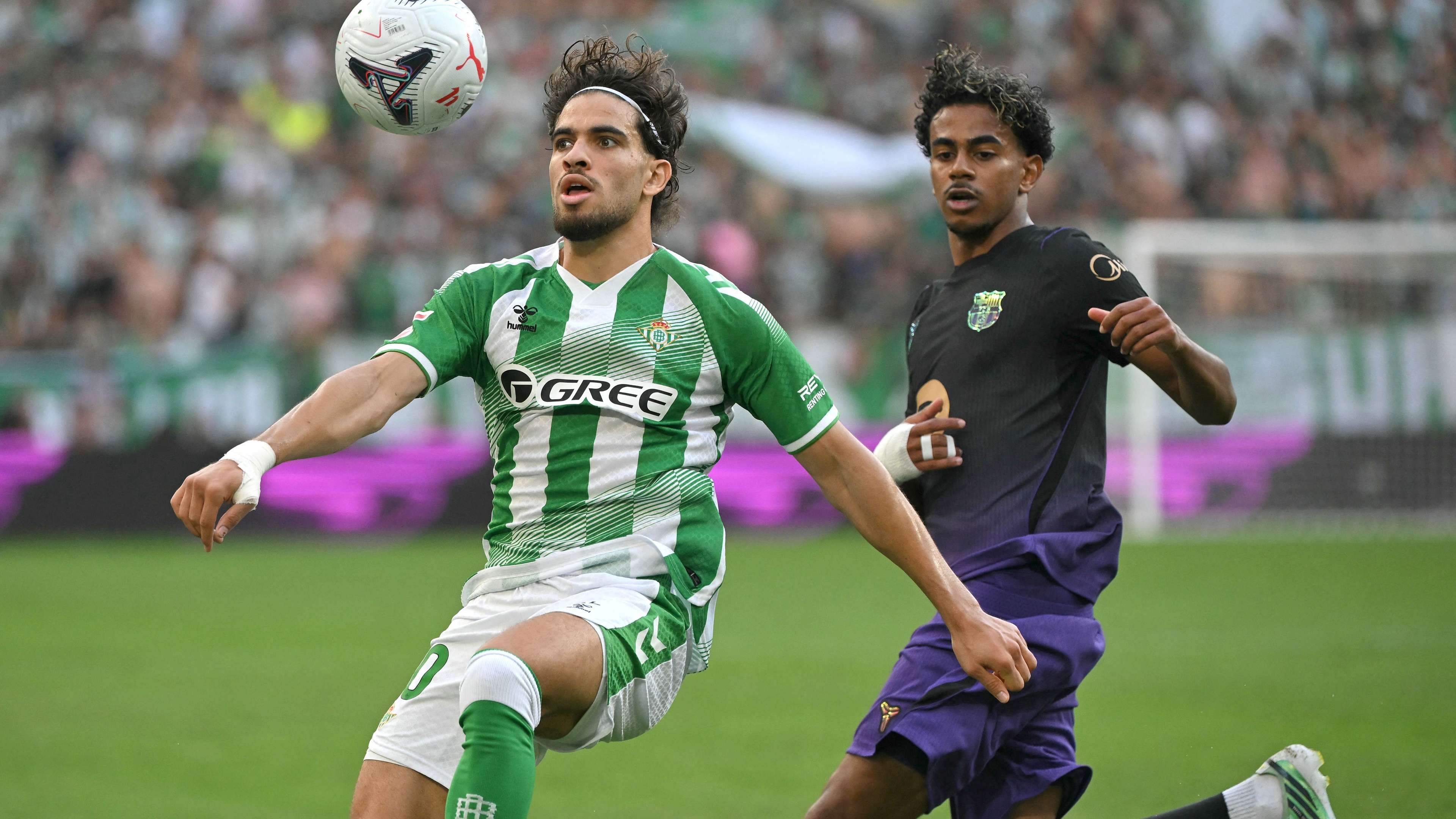
Barcelona may soon look back on Abde Ezzalzouli’s departure as a missed opportunity. The Morocco international has developed into one of Real Betis’ most influential attacking players, impressing with his pace, close control and willingness to work for the team. His performances have helped fuel an outstanding start for Manuel Pellegrini’s side—and sharpened questions about whether Barcelona let a special football talent leave too cheaply.
Betis reportedly paid €7.5 million to sign Ezzalzouli, known as Abde, while Barcelona retained a share of any future transfer fee. The Andalusian club’s investment is now looking increasingly astute. Abde has become a regular source of energy on the left flank, where he can stretch a defence, take on opponents one-on-one and create openings when a match becomes tight.
A key figure in Betis’ strong start
According to Mundo Deportivo, Real Betis have made a remarkable start under Pellegrini, combining domestic momentum with impressive results in Europe. The report describes the campaign as the best opening to a season in the club’s history, with Betis leading La Liga and taking nine points from their first three Champions League matches.
Abde has been central to that progress. His direct style gives Betis a different dimension in attack: rather than relying only on patient passing, the team can get the ball to him in space and trust him to drive forward. He is comfortable cutting inside, challenging a full-back or carrying the ball into dangerous areas. That unpredictability makes him difficult to defend against, particularly when opponents are already occupied by Betis’ other attacking options.
His contribution is not limited to highlights and attacking statistics. Abde also tracks back, presses opponents and competes for possession, adding defensive effort to his natural flair. That balance has helped him earn the trust of Pellegrini and the affection of Betis supporters at La Cartuja. For a winger, the ability to influence both sides of the game can be just as valuable as raw speed or dribbling skill.
From Hercules prospect to Barcelona first-team debut
Abde’s rise began in Spain, where he arrived with his parents at a young age. He developed through the youth system at Hercules, the Alicante club where his ability soon set him apart. By the age of 18, he had broken into the first team at the Rico Pérez stadium, catching the attention of scouts with his left foot, confidence and willingness to take on defenders.
Barcelona identified him as a promising prospect during his time with Hercules. The club moved quickly in the summer of 2021, activating the €2 million release clause in his contract on the final day of the transfer window. The move reflected Barcelona’s long-standing strategy of recruiting young players with the potential to grow into first-team contributors.
Abde initially joined Barcelona’s reserve side, but his performances soon brought him into the senior squad. He made his La Liga debut on 30 October 2021 against Deportivo Alavés, during Sergi Barjuán’s brief spell in charge between Ronald Koeman’s departure and Xavi Hernández’s arrival. The appearance offered an early glimpse of his ability to unsettle defenders, though regular opportunities at a club with Barcelona’s competition for attacking places were never guaranteed.
A loan move to Osasuna during the second half of that season gave him another chance to develop in senior football. He made a strong impression, gaining experience in a demanding league and showing that his direct approach could be effective beyond Barcelona’s reserve team.
The transfer terms and Barcelona’s potential return
Barcelona’s financial difficulties played a significant role in Abde’s eventual departure. Real Betis were able to secure the winger for €7.5 million, while Barcelona negotiated clauses that preserved some future value. The Catalan club reportedly held a buy-back option worth €20 million until 2024, rising to €25 million in 2025, as well as a percentage of any future sale.
The sell-on arrangement has reportedly changed over time. Barcelona initially held a 50% share of a future transfer fee, but that figure fell to 20% following the early departure of Brazilian forward Vitor Roque. If a club were to activate Abde’s reported €60 million release clause, Barcelona would therefore receive around €12 million under the current terms.
That amount would represent a profit on the original €2 million acquisition from Hercules, but it may still feel modest if Abde continues to perform at an elite level. A release clause is not a prediction that a transfer will happen; it is the contractual figure a buying club may need to meet, subject to the relevant rules and agreement. Still, the possibility highlights the gap between a player’s original sale price and the value his performances can create over time.
How Abde compares with other high-value attackers
The debate becomes more striking when Abde is compared with other established wide players. Newcastle United reportedly paid more than €70 million for Anthony Gordon, while Karim Adeyemi’s move from Borussia Dortmund was valued at around €24 million. Such deals reflect more than individual ability: age, contract length, market demand, club finances and the buyer’s urgency all influence transfer fees.
Even so, Abde’s current form strengthens the argument that Barcelona may have sold before his value fully matured. His combination of one-on-one skill, acceleration and defensive work gives him a profile prized by modern coaches. In European football, wingers who can beat a defender consistently are especially valuable because they can create chances without needing a team to dominate possession.
For Barcelona, the decision also illustrates the difficult trade-offs clubs face when managing financial pressure. Selling a developing player can provide immediate funds and reduce uncertainty, but it can also mean watching that player flourish elsewhere. The retained clauses soften the risk, yet they do not necessarily allow the selling club to control the player’s future or capture his full market value.
What comes next for the Morocco international?
Abde’s challenge is to sustain his level across a long season. Opponents will study his preferred movements, defenders may double up on him, and the demands of domestic and European competition will test his consistency. His continued development will depend on choosing the right moments to dribble, improving his final pass and maintaining the work rate that has made him so useful to Pellegrini.
For Betis, his form offers a potent attacking weapon and a reason for supporters to believe the club can compete strongly on multiple fronts. For Barcelona, it is a reminder that a player once signed as a €2 million prospect is now commanding attention among the standout performers in Spain. Whether Abde eventually attracts a major bid or remains a Betis favourite, his progress has turned the original transfer into one of the season’s most compelling football stories—and a reminder that a club’s best prediction about a young talent is not always the one that proves correct.