
Raphinha’s Barcelona Brace Puts Him Among La Liga’s Greatest Fast Starters
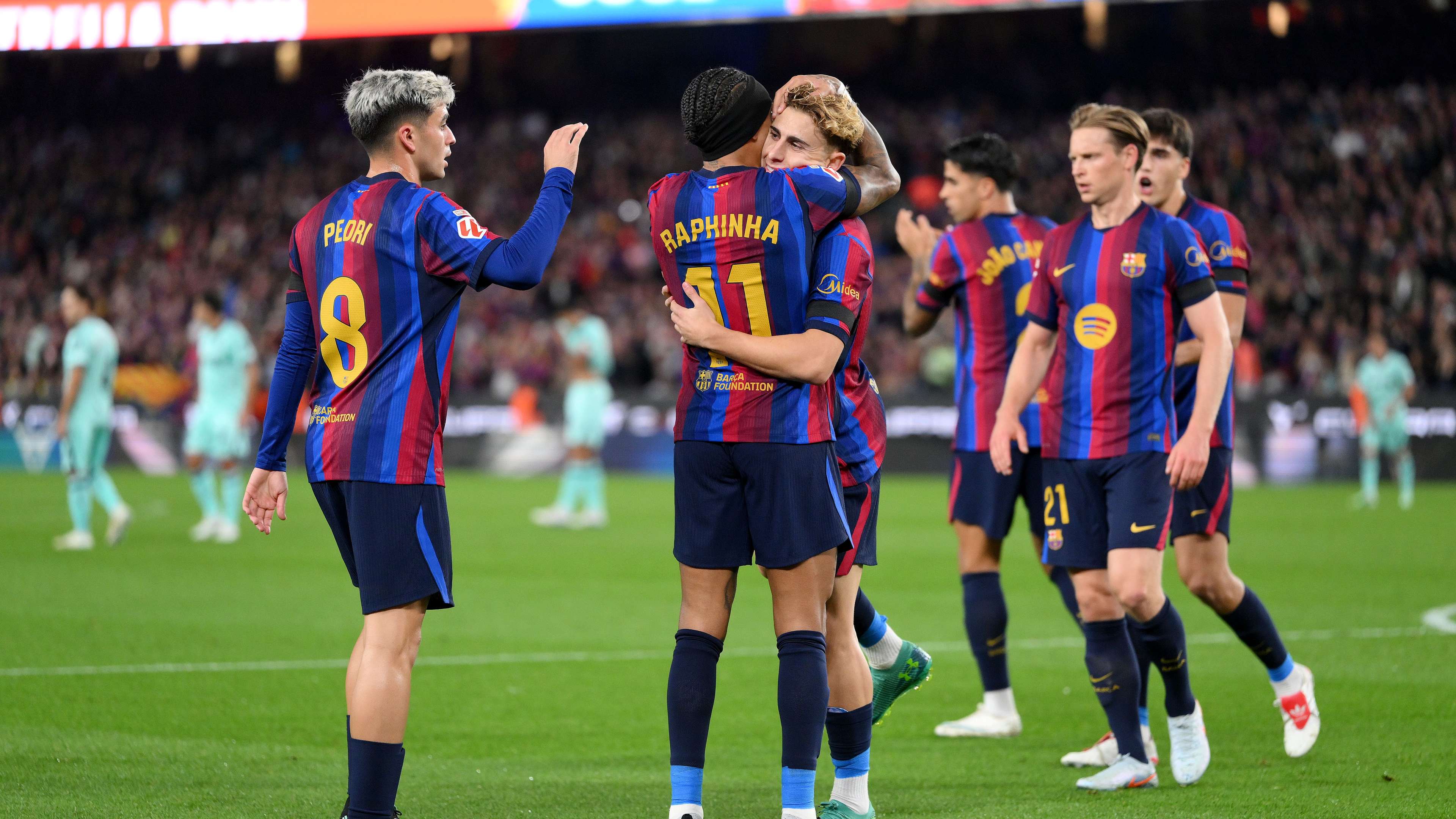
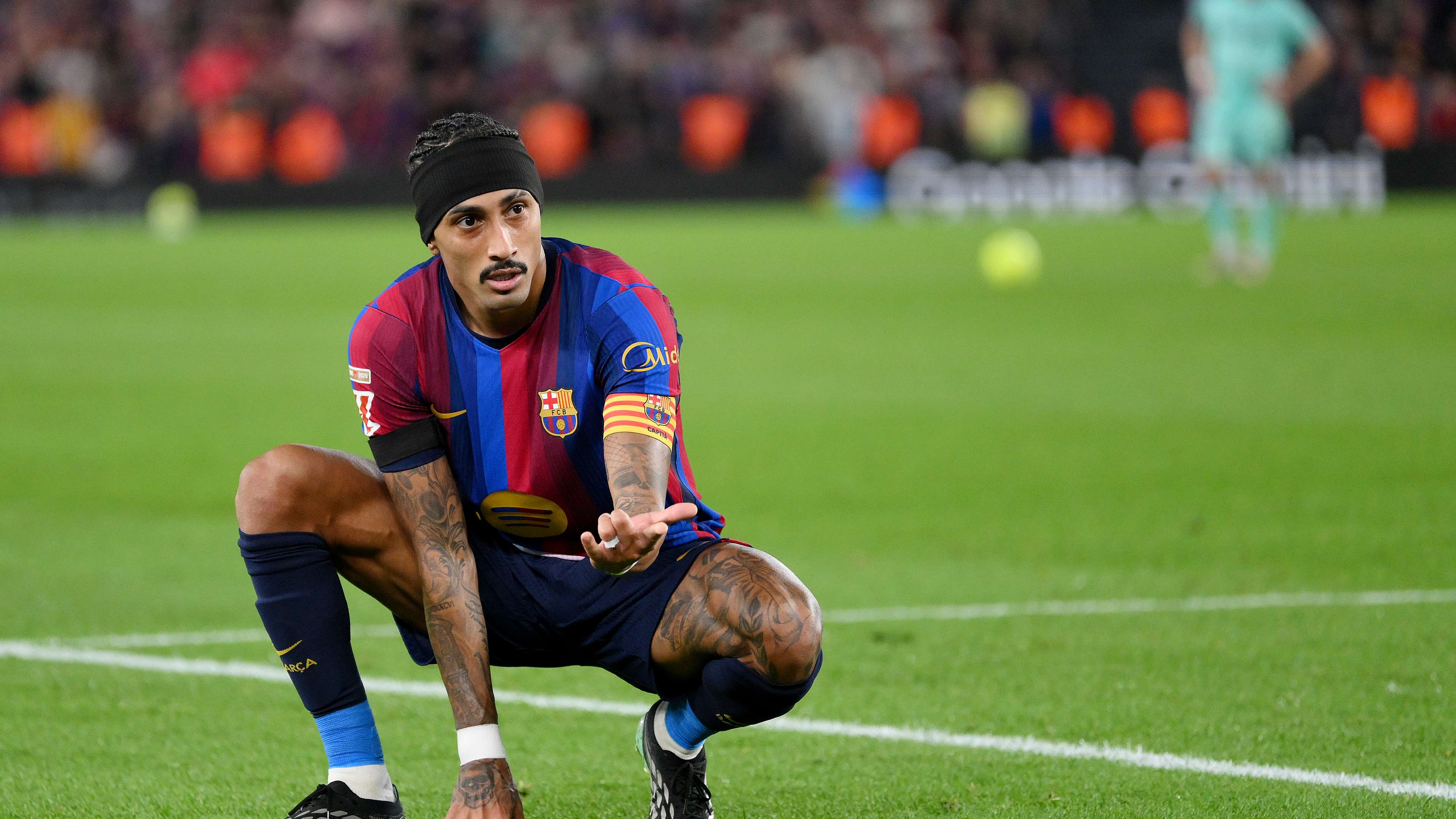
Raphinha strengthened his claim as one of La Liga’s standout players by scoring twice in Barcelona’s first-half surge against Deportivo Alavés. The Brazilian’s goals helped the Catalan side build a commanding 4–0 lead at Spotify Camp Nou in the 11th round of the Spanish league, while taking his personal tally to an extraordinary 15 goals in just 11 appearances.
The performance arrived at an important time for Barcelona. After consecutive defeats to Paris Saint-Germain, 4–2, and Real Madrid, 2–1, the team needed a convincing response. Raphinha supplied much of the spark, combining sharp movement and confident finishing to help turn a potentially tense afternoon into a statement victory.
A Scoring Record in the Company of Messi and Ronaldo
Raphinha’s 15-goal start places him alongside Lionel Messi for the most goals scored by a Barcelona player in the opening 11 matches of a La Liga season. Messi also reached 15 at the same stage of the 2012–13 campaign, a benchmark that underlines the scale of the Brazilian’s current run.
Across Spain’s top flight over the past 50 years, Raphinha’s total ranks second for goals scored in the first 11 rounds. Only Cristiano Ronaldo has managed a better opening: the Portuguese forward scored 18 times for Real Madrid during the 2014–15 season. That comparison places Raphinha in elite company, even with a long campaign still ahead.
The figures also highlight how quickly the 28-year-old has become central to Barcelona’s attacking plans. Scoring at this rate is difficult for any forward, but Raphinha has done it while adapting to a role that differs considerably from the one he played for much of his career.
From Winger to Barcelona’s Central Threat
Raphinha is best known as a wide attacker, using his pace and close control to take on defenders from the flank. This season, however, Barcelona have increasingly deployed him through the middle as a central striker. The change followed the club’s failure to sign Atlético Madrid forward Julián Álvarez during the summer transfer window.
Rather than treating the adjustment as a short-term fix, Raphinha has made the position his own. His movement between defenders gives Barcelona a direct option in the penalty area, while his experience on the wing helps him drift into channels and create space for teammates. That combination can make him difficult to track: centre-backs must stay alert to his runs, while full-backs risk leaving gaps if they follow him away from the middle.
The role also appears to suit Barcelona’s need for flexibility. Raphinha can lead the line, drop deeper to connect attacks or move wide when another player makes a run into the box. His versatility gives the coaching staff more ways to change the shape of the forward line without making a substitution.
Barcelona Needed a Response
The Alavés match carried extra significance after Barcelona’s setbacks against PSG and Real Madrid. A defeat in a major European fixture followed by a loss in El Clásico can place immediate pressure on a team’s confidence and its position in the league. A strong home performance offered an opportunity to reset, and Raphinha’s early influence helped Barcelona take control.
His goals were part of a wider attacking display, with the hosts reaching the interval four goals ahead. That kind of first-half dominance can ease pressure on the defence and allow a team to manage the second half with greater control. It also sends a message to rivals that Barcelona remain capable of producing a forceful response after disappointing results.
There was a competitive reason for the urgency, too. Atlético Madrid had moved one point ahead of Barcelona earlier in the day after beating Levante 2–0. The result temporarily increased the pressure on the Catalans to keep pace in the title race. Every point matters in a tightly contested league, particularly when rivals are able to take the lead in the standings before a team has played.
What Raphinha’s Form Could Mean for the Title Race
Barcelona’s pursuit of top spot will depend on more than one player, but Raphinha’s scoring form gives the club a significant advantage. A forward who can finish consistently from a central position may help the team convert possession into goals, especially against opponents who defend deep and leave little room for intricate passing combinations.
For fans following football prediction discussions, Raphinha’s hot streak is an important factor to watch, though it should not be treated as a guarantee of future results. Form, injuries, fixture difficulty and the quality of opposition all influence what comes next. Barcelona’s recent losses show that even a prolific attack can be tested by strong opponents, making defensive organisation and consistency just as important as individual brilliance.
Still, the Brazilian’s numbers offer plenty of reason for optimism. Reaching 15 goals in 11 league matches is an exceptional start, and matching Messi’s early-season total gives the achievement added weight. If Raphinha maintains his fitness and continues to adapt to the striker role, he could remain one of the defining figures in Barcelona’s campaign.
A Breakthrough Season for the Brazilian
Raphinha’s brace against Alavés was more than a pair of goals in a comfortable first half. It extended a remarkable scoring run, demonstrated his ability to thrive in a new position and helped Barcelona answer two painful defeats. His rise from winger to a leading central threat has become one of the season’s most compelling stories.
With the league race tightening and major fixtures ahead, Barcelona will need that form to continue. The club’s immediate objective is to reclaim momentum and keep pressure on Atlético Madrid, while Raphinha has the chance to chase historic numbers of his own. For now, his 15-goal tally places him beside Messi and behind only Ronaldo’s extraordinary record-setting start—an achievement that makes him one of La Liga’s most closely watched players.